





Key Takeaways
What is a STEM camp?
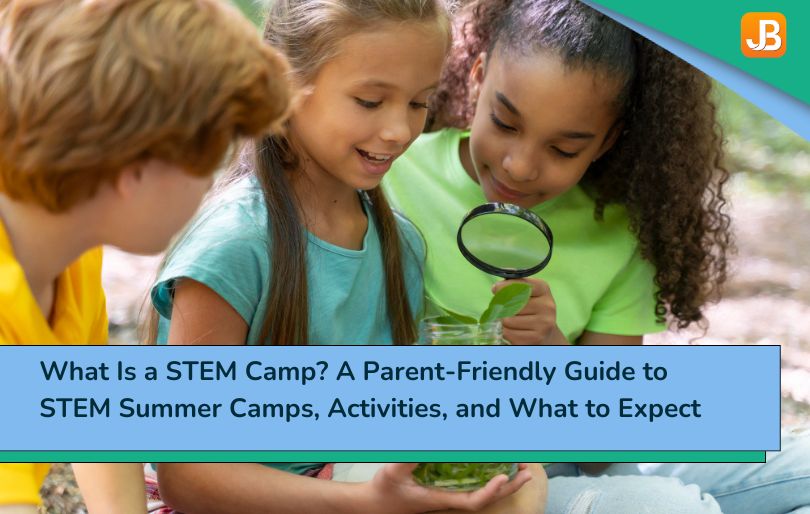
A STEM camp is a hands-on summer program focused on science, technology, engineering, and math where kids learn through projects like robotics, coding, and experiments instead of traditional classroom lectures.
What do kids actually do at STEM camps?
Kids typically build projects, run experiments, code games, solve engineering challenges, and collaborate in teams, helping them apply academic concepts to real-world situations.
Why choose a STEM summer camp for kids?
STEM camps build confidence, teamwork, curiosity, and problem-solving skills while keeping children engaged academically during summer breaks.
How do you choose the right STEM camp?
Look for age-appropriate curriculum, clear project outcomes, balanced schedules, strong supervision ratios, and structured organization, often supported by camp registration systems for smoother administration.
A STEM camp is a specialized summer program where children engage deeply with Science, Technology, Engineering, and Math through immersive projects. Unlike traditional school settings, these camps prioritize discovery and “learning by doing,” allowing students to build robots, code software, and conduct experiments in a collaborative environment.
The goal of a STEM summer camp is to transform academic subjects into exciting, real-world challenges. Whether a child is interested in how video games are made or how bridges stay standing, these programs provide the tools and mentorship to turn curiosity into competence.
What Is a STEM Camp?
A STEM camp is an educational program designed to foster curiosity and technical skills through project-based learning. By focusing on the “STEM” pillars, Science, Technology, Engineering, and Mathematics, these camps move beyond textbooks to help children see how these subjects apply to the real world.
STEM Camp Meaning in Real Life
While the acronym is simple, the stem camp’s meaning is best understood through the specific experiences kids have on the ground. In a high-quality program, learning looks like:
- Robotics Builds: Designing, assembling, and programming a physical robot to navigate an obstacle course or perform a task.
- Coding Games: Using logic and syntax to create playable video games or mobile applications from scratch.
- Engineering Challenges: Working in teams to build the strongest bridge or the tallest earthquake-proof tower using limited materials.
- Environmental Science: Collecting water samples or building solar-powered ovens to study renewable energy and sustainability.
By participating in these activities, children move from passive consumers of technology to active creators. This shift builds lasting curiosity, confidence, and teamwork skills that serve them well into adulthood.
What Is a STEM Summer Camp, and How Is It Different from a School STEM Class?
A STEM summer camp differs from a school classroom primarily in its pace, freedom, and lack of high-stakes testing. While schools must follow strict curricula and prepare for standardized assessments, a summer stem camp focuses on the experience of discovery. This environment allows kids to spend hours on a single build or experiment without the pressure of grades or a ringing bell.
School STEM vs. STEM Summer Camp
STEM summer camps follow a less rigid structure, with greater emphasis on collaboration and project-based learning. Also, in the absence of conventional exam-taking, kids have the opportunity to learn and experience freely.
| Feature | School STEM Class | STEM Summer Camp |
| Pace | Fixed, guided by 45–60 minute periods | Fluid, with extended deep dive sessions |
| Outcomes | Standardized testing and grades | Finished projects and “I built this” pride |
| Group Size | 20–30 students per teacher | Smaller ratios (often 1:8 or 1:10) |
| Project Time | Spanned over weeks in short bursts | Intensive, daily progress and iteration |
| Assessment | Quizzes, exams, and homework | Peer showcases and functional testing |
What Do Kids Actually Do at a STEM Camp?
At a STEM camp, kids learn by building, testing, improving, and presenting projects, often in small teams with facilitator guidance. The core of the experience is a design process, where students are given a problem and must brainstorm, prototype, and refine their solutions.
Typical STEM Camp Activities by Theme
Most STEM program summer camp offerings group activities into specific tracks. This allows parents to choose a program that aligns with their child’s specific interests:
1. Robotics and Engineering Builds
These activities are the bread and butter of coding and robotics camps for kids.
- Mechanics: Understanding gears, pulleys, and levers.
- Automation: Writing code to make a robot react to light, sound, or touch sensors.
- Structural Design: Building bridges, rockets, or catapults to learn about physics and tension.
2. Coding and Game Design
In these sessions, kids move behind the screen to understand the logic of the digital world.
- Block-based Logic: Beginners use platforms such as Scratch to learn the basics of coding.
- Scripting: Older students may dive into Python, C#, or JavaScript to build functional apps.
- Modding: Using popular games such as Minecraft or Roblox to learn environment design and server management.
3. Science Experiments
These are safe, supervised sessions that bring chemistry and biology to life.
- Chemical Reactions: Creating slime, foam, or “elephant toothpaste” to study exothermic reactions.
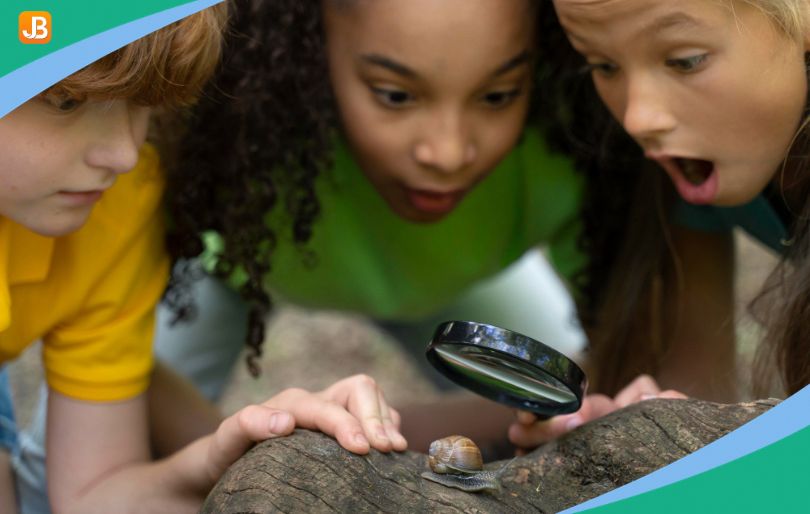
- Microscopy: Examining cellular structures from local pond water or plant life.
4. Math Puzzles and Logic
Math is foundational in STEM. In a camp setting, it is taught through play.
- Cryptography: Learning how to create and break secret codes.
- Strategy: Using probability and geometry to win complex board games or solve architectural riddles.
STEM vs. STEAM Camps: What’s The Difference?
While searching for programs, you will likely encounter the term “steam summer camp.” The primary difference is the addition of the Arts to the programs. STEM focuses solely on technical proficiency and logic, while STEAM integrates the creative arts to strengthen design thinking, aesthetics, and human-centered engineering.
The Difference Between STEM vs. STEAM Programs
Here is a quick outline demonstrating the key features of STEM and STEAM programs for informed decision-making:
| Focus | STEM Camp | STEAM Camp |
| Primary Goal | Technical mastery and logic | Creative problem-solving and design |
| Best For | Kids who love to learn how things work | Kids who love making things look/feel better |
| Example Project | Programming a drone to fly | Designing the drone’s body for aerodynamics and style |
| Choose This If… | They want to be an engineer or coder | They want to be a designer or architect |
What Ages are STEM Camps For?
STEM programs are incredibly versatile and commonly run from early elementary through high school. Most organizers offer a stem camp for kids separated by age groups to make sure the tools and concepts remain age-appropriate and engaging.
STEM Camp for Kids: What to Look for By Age
1. Elementary (Ages 6–10)
Focuses on STEM camp for elementary students and beginners.
- Style: Playful experimentation and guided instruction.
- Activities: Building simple Lego machines, coding games (logic without a screen), and basic kitchen chemistry.
- Goal: Sparking interest and building a more confident attitude toward science.
2. Middle School (Ages 11–13)
This age group tackles longer challenges and more complex software.
- Style: Collaborative builds and increased autonomy.
- Activities: Competitive robotics, introductory 3D printing, and environmental field studies.
- Goal: Developing teamwork and persistence through multi-day projects.
3. High School (Ages 14–18)
High school STEM education summer camp tracks are often specialized and career-focused.
- Style: Research-style projects and intensive academic deep-dives.
- Activities: Data science, advanced AI/Machine Learning, or pre-collegiate engineering certifications.
- Goal: Building a portfolio for college applications and exploring potential career paths.
Why Choose a STEM Camp? Key Benefits for Kids
The benefits of STEM camps for kids extend far beyond their ability to write a line of code. Parents often notice a significant shift in how their children approach difficult tasks in their daily lives.
Benefits Parents Notice
- Confidence from “I Built It” Wins: Completing a physical project provides a sense of agency that classroom learning often lacks.
- Collaboration and Communication: Most STEM challenges require kids to explain their ideas to teammates and listen to feedback.
- Curiosity and Resilience: Because STEM is based on trial and error, students develop an iterative mindset, seeing failure as a step toward improvement.
- Summer Learning Continuity: These camps bridge the summer learning gap, keeping the brain engaged and ready for the next school year.
- Real-World Application: Kids finally get the answer to the question: “When will I ever use this math in real life?”

Day Camp, Sleepaway, or Virtual: Which Format Works Best?
The right STEM program summer camp format depends on your child’s independence level and the family’s schedule.
- Day Camps: The most common format, ideal for stem camp for elementary students. These usually run from 9:00 AM to 3:00 PM, providing a structured environment while allowing kids to return home at night.
- Sleepaway Camps: Best for middle and high schoolers. These offer a full-immersion experience in which kids live on a college campus or in a camp setting, fostering social independence alongside technical skills.
- Virtual/Hybrid Camps: These became popular for their accessibility. They are excellent for kids who want to learn a highly specialized skill, such as advanced game engine architecture from an expert who might live across the country.
How Do You Choose the Right STEM Summer Camp for Your Child?
Choosing a program involves using a decision framework focused on the child’s level and the quality of instruction:
- What skill level is this camp built for? Make sure your child isn’t bored in a beginner class or overwhelmed in an advanced one.
- What will they build or complete by the end of the week? A good camp has a clear, tangible outcome.
- What does a typical day schedule look like? Look for a balance of screen time, hands-on building, and physical activity.
- What is the adult-to-student supervision model? Quality programs typically maintain a 1:8 or 1:10 ratio.
- How are inclusivity and accommodations handled? Check the camp’s website for published accessibility policies; many camps publish these policies up front.
- What do parents receive? Look for programs that offer daily photo updates, project showcases, or take-home kits.
What Does a Good STEM Camp Curriculum Look Like?
A high-quality STEM camp curriculum is structured around inquiry. It shouldn’t be a series of magic tricks performed by an instructor; it should be a framework in which the student is the lead investigator.
A Simple Weekly Structure Example
- Day 1: Challenge Launch. Introduction to the week’s theme and a baseline rapid build to test current knowledge.
- Day 2–3: Iteration and New Constraints. Adding complexity (e.g., “The robot must now turn 90 degrees” or “The bridge must hold 5 lbs”).
- Day 4: Testing and Troubleshooting. This is the deep dive where kids fix bugs and structural weaknesses.
- Day 5: Showcase and Reflection. A chance to present the final project to peers and parents, explaining how it works.

The Unifying Operational Challenge: Why Organization Matters
Running a successful STEM camp is an operational marathon. Unlike traditional playground camps, STEM programs typically involve rotating groups, expensive equipment (such as iPads, VR headsets, and robotics kits), and safety considerations for science labs.
Where Camp Registration Software Supports the STEM Experience
For a camp to provide a top-tier learning experience, the administration must be invisible and seamless. Modern camp registration software helps organizers manage:
- Online Registration and Waitlists: Avoiding manual spreadsheets so parents can secure spots instantly.
- Digital Waivers and Medical Notes: ensuring staff have instant access to allergy information and emergency contacts.
- Automated Confirmations: Keeping parents informed about what to bring.
- Rosters by Skill Level: Automatically grouping students so the curriculum remains effective for everyone.
- Payments and Discounts: Handling sibling pricing or early-bird specials without manual errors.
Tip: If you run a STEM camp, using a system such as Jumbula’s camp registration software helps you spend less time on administrative tasks and more time on project development and instruction. Clear schedules and centralized updates reduce confusion for families and the camp owners.
Final Thoughts
Choosing a STEM summer camp is about giving your child a safe space to fail, iterate, and ultimately succeed. The skills they develop will serve them in any career path they eventually choose.
For camp organizers, clear rosters, waivers, and parent communication reduce day-to-day friction, so staff can focus on instruction instead of chasing paperwork.
FAQ
Is STEM camp worth it?
Yes, STEM camps are widely considered worth the investment because they build high-value soft skills, including persistence and logical reasoning. Beyond the academic boost, they provide children with hands-on access to expensive technology such as 3D printers and advanced robotics kits that most households do not have.
What should my child bring to a STEM summer camp?
Most campers should bring a refillable water bottle, comfortable closed-toe shoes for lab safety, and a nut-free lunch or snack. Depending on the specific STEM program summer camp curriculum, kids may also need to bring a personal laptop or tablet.
Do STEM camps require prior coding or robotics experience?
The vast majority of programs do not require prior experience and are specifically designed as a stem camp for beginners. Instructors typically choose projects that are easy to start but offer deep complexity for students who progress quickly.
What is the difference between a STEM camp and a robotics camp?
A STEM camp is a broad program covering science, technology, engineering, and math, whereas a robotics camp is a specialized subset focused specifically on mechanical assembly and computer programming.
How do I find a STEM camp for elementary students near me?
The best way to find a STEM camp for elementary students is to check with local universities, science museums, or school districts, as they often host these programs during school breaks. You can also search online directories or look for organizations that use professional camp registration software, which often allows you to filter by location and age group.