




Key Takeaways
How does winter camp differ from standard childcare?
A winter camp is a purposeful development program, not just passive supervision. It replaces idle home time with structured group activities like STEM projects, creative workshops, and team challenges designed to build social skills.
What is the best way to handle unpredictable weather in winter camp?
Look for camps with a documented indoor backup plan. High-quality programs have defined temperature thresholds for outdoor play and immediately pivot to “Plan B” (including indoor recreation or movie sessions) when conditions become unsafe.
What are the “Big Three” packing essentials for winter camp?
Focus on moisture management. Always pack waterproof outerwear, insulated gloves, and—most importantly—extra socks in a sealed bag. Keeping feet dry is the single best way to prevent a child from becoming miserable in the cold.
What logistics should I confirm before registering for winter camp?
Verify the drop-off/pick-up windows and how the camp handles holiday closures (like Dec 24–26). Digital registration systems often make this easier by keeping your schedule, waivers, and emergency contacts in one accessible place.
A winter camp for kids is a structured seasonal program that gives you reliable supervision and purposeful activities during school breaks. A kids winter camp replaces unstructured days with organized routines that keep children active, social, and engaged while school is closed.
Most programs run in short blocks during school closures, offering a mix of indoor games, creative projects, enrichment activities, and, when weather allows, winter sports. The right winter break kids camp depends on your child’s age, interests, and how much daily coverage your family needs.
This guide explains what a winter camp is, when it runs, and the different types available so you can compare options confidently. You will also see typical activities, safety standards, and a practical checklist that helps you choose the right camp for your child.
What is a winter camp for kids?
A winter camp for kids is a temporary holiday program where children follow a supervised schedule of organized activities. It replaces unsupervised home time with a structured daily environment.
When school is out for one or two weeks, these programs are a practical solution for families who need dependable daytime structure. Parents choose winter camp to prevent long stretches of idle time, reduce screen-heavy days, and keep children socially connected during school breaks. A winter break kids camp is simply a version of winter camp scheduled around holiday closures and aligned with family work calendars.
For that reason, a kids winter camp is a real camp experience rather than simple childcare. Children participate in coordinated group activities designed for development, social interaction, and skill-building instead of passive supervision.
When do winter camps happen, and how long do they run?
Winter camps are scheduled around gaps in the school calendar and operate on compact timelines that fit short holiday periods. Their timing follows predictable seasonal breaks rather than long-term sessions.
Most programs appear during specific parts of the winter season:
- Scheduled winter school vacations
- Major holiday weeks
- Occasional weekend programs
Session length is intentionally flexible so families can adjust enrollment to their needs:
- One-day attendance options
Short multi-day segments - Full week schedules
Many camps permit selective enrollment, which means you can register your child for only the days you need instead of committing to a full block. Scheduling varies by provider, and a winter break kids camp may pause on dates such as December 24–26 or continue with modified hours depending on its holiday policy.
What are the main types of winter camps?
According to program format and activity focus, winter camps typically fall into categories such as day camps, overnight camps, snow sports programs, and enrichment camps like STEM or arts. The best option depends on how much independence your child is ready for and which activities match their interests.
Day winter camp
A winter camp operates locally with daily drop-off and pick-up, which makes it the most accessible option for many families. This format works well for children ages 5–12 and for first-time campers who benefit from returning home each evening. Unlike overnight programs, day camps maintain a familiar home routine while still providing structured activities.
Overnight or sleepaway winter camp
An overnight winter camp runs across multiple days and encourages greater independence through shared living arrangements. These programs suit children who are already comfortable with extended group settings and ready for time away from home.

Ski and snow sports winter camp
Snow sports camps focus on activities such as skiing, snowboarding, and ice skating when local weather permits. They emphasize outdoor movement and skill development, while programs in regions without snow substitute structured indoor recreation and physical play.
STEM and academic winter camp
For families seeking learning-focused options, academic winter camps emphasize structured STEAM projects, coding sessions, and subject refreshers. These programs balance intellectual challenges with interactive group work, keeping children engaged without making them feel like they are in school.
Arts and creativity winter camp
Creative winter camps focus on expression through crafts, theater, music, and hands-on workshops. They appeal to children who prefer imaginative collaboration and project-based activities.
Faith-based or specialty winter camp
Some winter camps organize programming around shared values or focused themes while still offering general camp experiences. When comparing programs in your area, a winter camp for kids can often be matched to specific interests or community priorities.
What do kids do at winter camp?
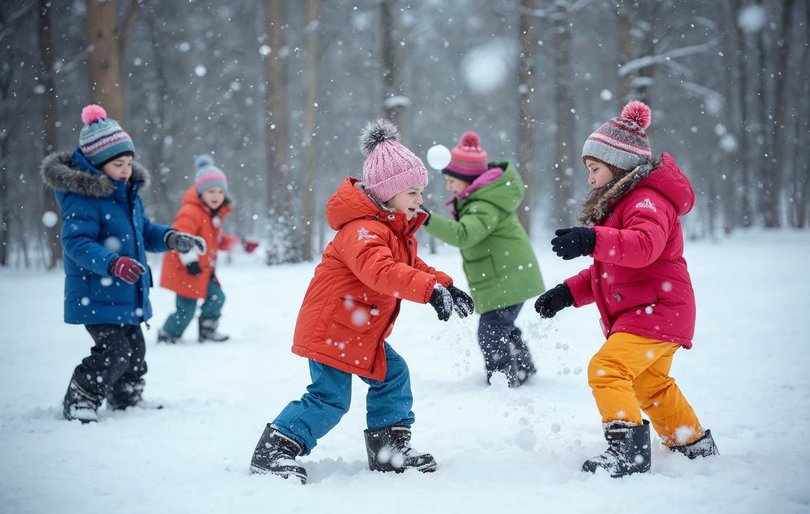
Winter camp activities typically mix indoor group games with enrichment projects and outdoor play when weather permits.
Typical activities fall into several categories:
- Indoor group games and team challenges that build cooperation and problem-solving
- Winter sports such as sledding, skating, or skiing, when conditions allow
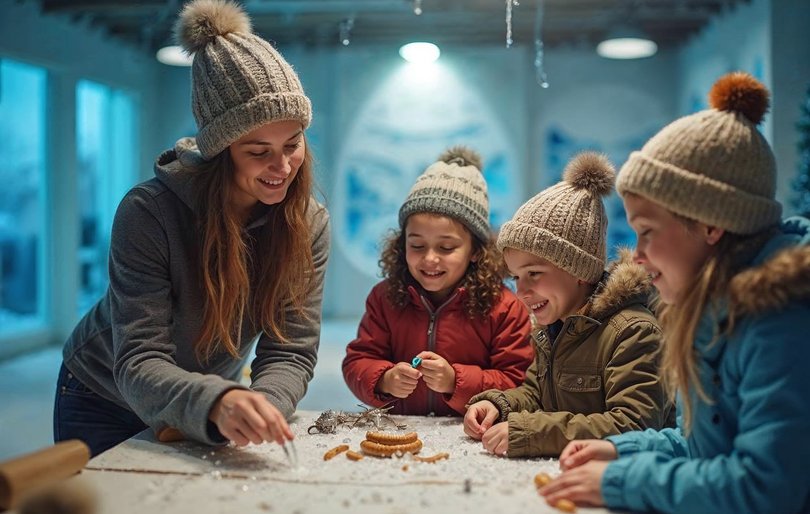
- STEM and STEAM projects that involve hands-on experiments and builds
- Arts, crafts, and creative workshops that encourage expression
- Small group activities like themed movie sessions or guided storytelling
If temperatures drop too low or weather conditions become unsafe, camps shift fully to indoor programming without canceling the schedule. A winter camp for kids maintains a balance of physical play, creative work, and learning-based activities rather than focusing on a single type of experience.
What ages are winter camps for, and how do I know my child is ready?
Winter camps typically serve children from preschool through middle school, but readiness depends as much on tolerance for routine and social comfort as on age. Programs adjust structure and supervision to match developmental stages.
| Age band | Typical camp format | What helps it go well |
| 4–5 years | Short day sessions with close supervision | Half-day schedules, consistent drop-off routines, and sending a familiar comfort item |
| 6–9 years | Full-day programs with guided group activities | Explaining the daily plan in advance, practicing independent tasks, and encouraging small group participation |
| 10–13 years | Extended day or specialty camps | Allowing activity choice, reinforcing responsibility for personal items, and supporting peer collaboration |
For younger children, shorter sessions prevent fatigue and make transitions easier. A winter break kids camp works for ages 4–5 when schedules remain predictable, and caregivers prepare children for the routine ahead of time.
If your child feels anxious in new environments, look for camps that provide orientation opportunities and structured small groups. Preparing your child by reviewing the schedule and meeting the staff in advance can ease the adjustment.
What are the benefits of a winter camp for kids?
A winter camp supports children during school breaks by combining structured supervision with opportunities for social and personal growth. It fills gaps in routine while providing experiences that are difficult to replicate at home.
Key benefits include:
- Maintaining daily structure during school breaks
- Building social connection and confidence through group interaction
- Encouraging physical activity despite cold weather
- Providing learning enrichment without classroom pressure
- Offering dependable childcare coverage for working families
Even short attendance can be valuable because consistent activity and peer engagement reduce boredom and passive screen time. A winter camp for kids creates focused days that keep children mentally and physically involved, even when participation lasts only a few sessions.

How do winter camps balance indoor and outdoor time safely?
Winter camps use clear weather safety rules to decide when activities take place indoors or outdoors. When ice, extreme cold, or hazardous conditions occur, programs immediately move schedules indoors rather than canceling supervision.
Parents should confirm how a camp applies these safety decisions in practice:
- Defined cold-weather limits that specify temperature and wind thresholds
- A structured indoor backup schedule for unsafe outdoor conditions
- Clothing requirements that include insulated coats, gloves, and waterproof footwear
Most camps communicate equipment expectations before the program begins and may require items such as snow pants and waterproof boots. A winter camp for kids maintains safe participation by combining weather guidelines with proper gear and continuous supervision.
What safety and supervision should parents look for in a kids’ winter camp?
A kids’ winter camp should operate through defined supervision systems that protect children throughout the day. Safety depends on staffing structure, emergency readiness, and clear operational procedures.
Parents should confirm the following safeguards:
- Balanced camper-to-staff ratios and clearly assigned supervision zones
- Staff training in winter safety and current first-aid certification
- Verified drop-off and pick-up procedures that control who can collect a child
- A communication plan for schedule or weather-related changes
Camps track outdoor exposure through scheduled rotations and weather guidelines, ensuring children are not kept outside beyond safe limits. Programs also follow documented health procedures for medication and allergies, including secure storage, authorized administration, and trained staff oversight.
What should I pack for winter camp?
Packing for winter camp focuses on warmth, weather protection, and daily essentials that support active schedules. Children need clothing and supplies that allow them to move comfortably between indoor and outdoor activities.
A practical packing list includes:
- Layered clothing with a warm hat and insulated gloves
- A waterproof coat and boots suitable for snow or wet ground
- Extra socks and a backup clothing set
- A labeled water bottle
- Any required medication with written instructions
For a day program, this list serves as the minimum required to manage temperature changes and unexpected wet clothing. Camps often recommend packing spare socks and gloves in a sealed bag so replacements stay dry and easy to access.
If your child frequently loses gloves, attach them to coat sleeves with clips or mitten strings and label both items clearly. A winter camp for kids handles many small belongings at once, so visible name labels and physical attachments prevent mix-ups.
How do I choose the best winter camp for kids?
Choosing a winter camp for kids starts with matching the program to your child’s needs and your family’s schedule. A strong decision comes from evaluating purpose, format, and logistics together so every factor supports the same goal.
Use this decision guide to narrow your options:
- Goal: identify whether your priority is childcare coverage, enrichment, or snow sports
- Format: choose between day and overnight programs based on independence readiness
- Fit: align age and personality with activity style, such as active play, creative work, or STEM
- Logistics: confirm location, operating hours, policies, and full cost transparency
These criteria translate directly into practical questions during enrollment. If you need reliable 9–5 coverage, verify exact drop-off and pick-up windows, late policies, and how supervision is handled at transition times.
Activity balance matters as much as scheduling. When a child prefers STEM projects but still needs movement, select programs that rotate focused learning blocks with scheduled physical breaks to keep energy and attention balanced.

What should parents expect for winter camp registration and logistics?
Winter camp registration usually moves quickly and depends on clear schedules, payment rules, and pickup procedures. Parents should expect upfront details that make enrollment predictable and reduce last-minute confusion.
Most well-run camps organize registration through structured digital systems, often using platforms such as Jumbula, to manage:
- Mobile-friendly sign-up with capacity tracking and waitlists
- Online payments with immediate confirmations
- Digital forms and waivers linked to emergency contacts
- Automated reminders about schedules, packing, and weather updates
When registration is stressful, information is often scattered across emails, paper forms, and manual steps. When everything lives in one place (forms, schedules, payments, pickup rules), families can register without chasing details across emails and paper packets.
Jumbula helps camps standardize communication and documentation, so families receive consistent updates in one place. A winter camp for kids requires fewer follow-up emails and last-minute clarifications when schedules, policies, and reminders are delivered automatically rather than handled on a case-by-case basis.
Conclusion
A winter camp for kids is most useful when it is planned early and carefully matched to your child’s needs. When schedules, safety expectations, and activities are clear, winter camp supports both your child’s development and your family’s routine.Practical organization makes planning easier. Using a camp registration software such as Jumbula handles registration and communication, reducing last-minute confusion and keeping important details in one place. A well-chosen kids’ winter camp allows families to approach school breaks with structure and confidence.
FAQ
What is a winter camp for kids?
A winter camp for kids is a short supervised program during school breaks that fills the day with organized activities. It keeps children active, social, and engaged while regular routines pause.
What is a winter break kids camp?
A winter break kids camp runs specifically during holiday closures and blends childcare with camp-style programming. Children stay busy with structured play and group activities rather than idle time at home.
Is a kids’ winter camp good for first-time campers?
Yes, many kids’ winter camp programs are built for beginners, especially day camps with predictable routines. Short sessions help first-time campers adjust with confidence.
What’s the best winter camp for kids if there’s no snow?
The best choice is a camp focused on indoor recreation, creative workshops, or STEM projects. These programs stay active without relying on winter sports.
What should I pack for winter camp?
Pack warm layers, waterproof outerwear, spare socks, labeled essentials, and any required medication. Proper gear keeps children comfortable in changing conditions.
How long is winter camp?
Winter camp can last anywhere from a single day to a full week. Most programs offer flexible scheduling to match family needs.