





Key Takeaways
What is the main difference between PBL and traditional camps?
Traditional camps focus on isolated activities (like a 30-minute craft), while PBL camps focus on an extended mission. Kids spend their week building a real-world solution—such as a robot or a stop-motion film—rather than just following a set of instructions.
What specific skills do kids take home?
Beyond the finished project, kids develop critical thinking (learning to fix what breaks), collaboration (working in teams), and confidence (presenting their final invention to an audience).
Is prior experience required for specialized themes like coding or robotics?
No. A well-designed PBL camp meets kids where they are. It provides a “beginner track” to get started while allowing more advanced students to add complexity to their specific projects.
How is the week structured in a project based camp?
The schedule follows a project management timeline: Monday is for brainstorming and design, mid-week is for building and testing (and failing/trying again), and Friday is the “Big Reveal” or showcase for parents.
A project based learning summer camp is a place where learning does not feel like school. Instead of sitting at desks and listening to a teacher talk, kids spend their days building, creating, and solving things. These are programs with outcomes and developing skills that stick with a child long after the summer ends.
In this guide, you’ll see what makes these camps project-based, what kids actually build, how a typical week runs, and what skills they take home.
What Is a Project Based Learning Summer Camp?
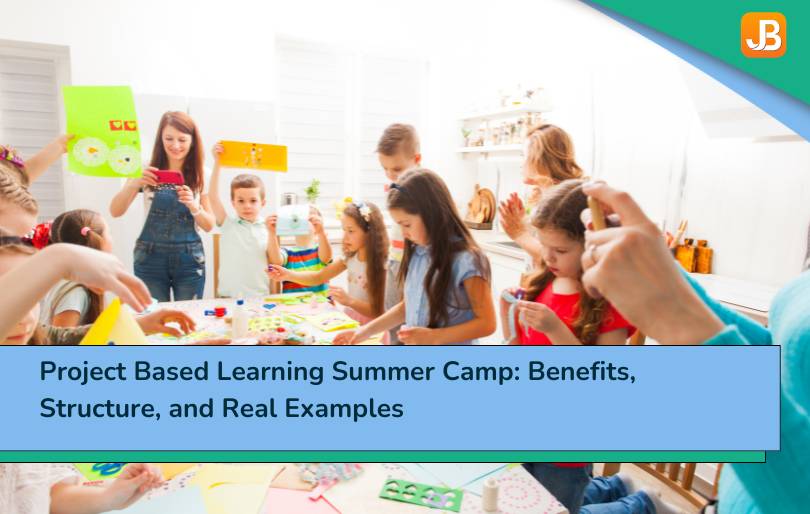
A project based learning summer camp is a hands-on learning summer camp where kids work toward a real project they can show at the end, something they build, test, improve, and present. In this sense, they are different from traditional activity-based camps that might just move kids from one game to another every 30 minutes.
| Feature | Traditional Activity-Based Camp | Project-Based Learning (PBL) Camp |
| Time Commitment | Short, isolated blocks (e.g., one hour of science). | Extended focus (e.g., spending an entire week on one goal). |
| Primary Activity | Following a set of instructions to complete a task. | Building a real-world solution (e.g., a water filtration system). |
| The “Why” | Doing an activity because it is on the schedule. | Finishing a mission that has a clear sense of purpose. |
| Learning Depth | Introduction to various topics through quick crafts. | Hands-on learning that feels real and practical. |
| The Outcome | An educational experience that is fun and temporary. | A finished project and skills they can explain. |
It is still educational and fun, but it gives the child a sense of purpose. They aren’t just doing an activity, they are finishing a mission. This is part of the reason behind the popularity of project-based camps.
Why Project Based Learning Summer Camps Are Growing in Popularity
Project based learning summer camps are growing in popularity as parents are leaning towards skill-building over “just keep them busy” programs for their kids. Parents want to know their investment is helping their child grow, but they do not want to send them to summer school. What they look for is a balance between fun and learning.
And it does not just benefit parents. Children who get bored easily and struggle with classroom settings often find their stride here. If a child hates sitting still and reading about physics, they usually love building a giant catapult. The activities of these camps help with engagement and retention because the kids actually care about what they are making.
Types of Projects in Project Based Learning Summer Camps
Project based learning can take different shapes to develop different skills. Here are some group project examples that show what kids actually do at summer camp:
STEM Project-Based Summer Camp Activities
This is where hands-on learning summer camp ideas really shine.
- Coding: Instead of just typing on a screen, kids might code a program that controls a drone to deliver a package across a field.
- Robotics: Campers might work in teams to build a robot that can clear blocks out of a play zone.

Creative Arts Project-Based Summer Camp Activities
Art is not just drawing; it’s a project.
- Stop-Motion Animation: Kids write a story, mold the clay characters, film the frames, and add the sound effects to create a 2-minute movie.
- Fashion Design: Campers might be tasked with creating a sustainable outfit made entirely from recycled camp materials and then hosting a runway show.
Entrepreneurship or Innovation Projects
These teach kids how to spot a problem, test an idea, and improve it.
- The Camp Store: Kids might design a product such as custom friendship bracelets or pet rocks, figure out the cost to make them, and sell them to other campers using camp tokens.
- App Design: Identifying a problem at camp, such as “how do we know what’s for lunch?” and designing a mock-up of an app that solves it.
Environmental or Community Projects
Getting outside and making a difference.
- Pollinator Gardens: Researching which bees live in the area and building a specific garden or bee hotel to help them thrive.
- Trail Mapping: Using GPS tools to create a new treasure map or hiking trail for the younger kids at camp to follow.
Projects should vary by age. Younger kids need simpler materials and shorter steps, while older campers can handle more independence and complexity.
For example, A 6-year-old might build a bridge out of popsicle sticks to learn about shapes, while a 14-year-old might use real wood and tools to build a bridge that can actually hold a person’s weight.
How Project Based Learning Summer Camps Structure Daily Programs
Project-based camps usually work toward one main project, but the work changes each day as kids plan, build, test, and improve.
In this sense, project based learning programs are very structured because they need to balance and keep kids engaged, education, and fun.
A typical day in a project based camp might look like this:
- Project Timelines: Each day has a goal. Monday is for ideating and designing, Wednesday is for Building and Testing, and Friday is the Big Reveal.
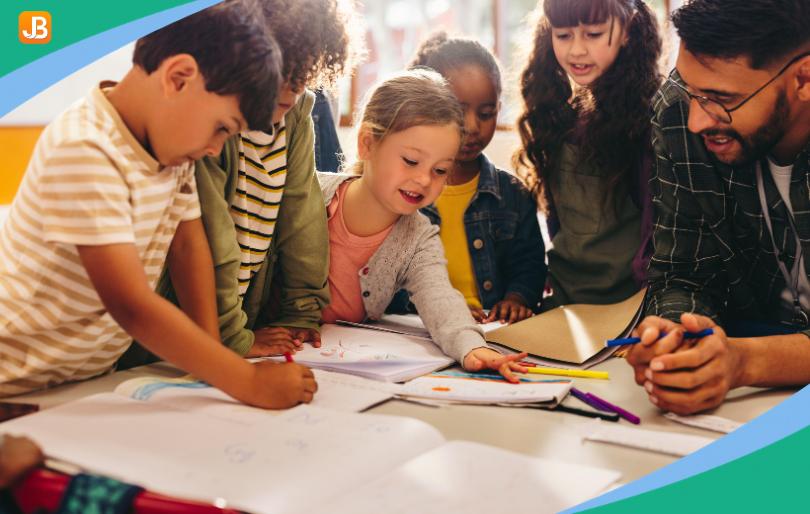
- Collaboration Formats: Kids usually work in small groups. This teaches them how to talk to each other, share ideas, and how to handle it when they disagree.
- Mini-lessons and work sessions: Staff might do a 10–15 minute demo (for example, how to use the materials safely), followed by longer work time where campers build and troubleshoot.
- Final Presentations or Showcases: At the end of the session, there is always a Show and Tell. Parents come in to see the final inventions, movies, or gardens.
Such a structure allows children to develop certain skills throughout the summer.
Skills Kids Develop in Project Based Learning Summer Camps
Kids develop real world skills after participating in project based learning summer camps which is the real outcome parents care about. They will learn a combination of academic skills such as logic and research, and soft skills that will stick with them for life such as:
- Critical Thinking: When the robot doesn’t move, the kid has to figure out why. That is the best brain exercise there is.
- Collaboration: Learning that “we” can build something much bigger than “I” can.
- Creativity: There is not just one right answer. Kids learn that their unique idea has value.
- Confidence and Communication: Standing up at the end of the week to explain their project gives them a huge boost in confidence.
These life skills develop naturally for the campers, but creating the right environment for that growth does not happen by accident; it takes clear routines, prepared materials, and consistent supervision.
Planning and Managing Project Based Learning Summer Camp Programs
Planning a project based learning summer camp requires a shift from standard recreational logistics to complex project management. It is not as simple as just buying a few soccer balls and calling it a day.
To keep these programs running smoothly, directors must focus on four areas:
- Scheduling Complexity: They have to make sure the workshop is not crowded and that groups have enough time to finish their work without feeling rushed.
- Resource Planning: They need materials, equipment, craft supplies, and enough space for groups to work safely. Keeping track of all those supplies is a full-time job.
- Parent Communication: This is how parents stay informed on their kids’ progress.
- Tracking Participation: Camps need a simple way to track who’s in each project group, what stage they’re on, and what materials they need. Managing a crowded project-based camp requires serious organization.
How Camp Registration Software Supports Project Based Learning Summer Camps
When a camp is this structured, it is impossible to run it with just a pen and paper. This is where camp registration software comes in to do the heavy lifting.
- Enrollment Tracking: This is how they manage registrations efficiently. By using software, a camp can make sure a video game design project does not get too many enrollments, which would make it impossible to teach.
- Schedule Coordination: It helps the staff see which rooms are being used for which projects at any given time.
- Parent Communication: Software makes it easy to send a photo of the day’s progress to all the parents at once.
- Documentation and Reporting: Keeping allergy notes, medical info, and pickup permissions organized matters even more on busy build days.
Once the logistical foundation is set, it becomes much easier to see how this specialized structure supports different ages and diverse learning styles.
Who Benefits Most From Project Based Learning Summer Camps?
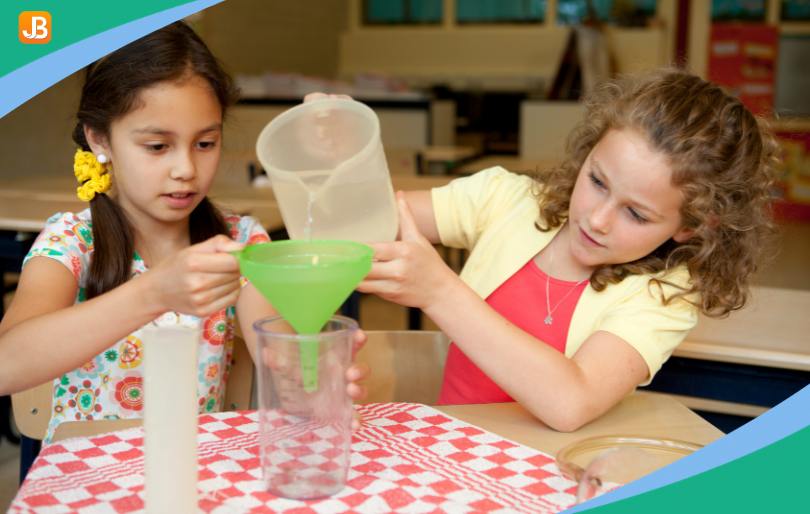
The children who benefit most from project based learning summer camps are those who crave autonomy, learn best by doing, and struggle with the often generic approach of traditional classrooms.
By moving away from a rigid schedule, these camps create space for a variety of personality types to succeed:
- Age Suitability: Project based learning can also be suitable for younger kids if you keep the projects simple and tactile. It’s all about doing.
- Learning Styles: Kids with different learning styles can benefit from these programs since they are more flexible. The fidgety kid who cannot sit still in class may be the best builder in the group.
- Creative vs. Analytical Learners: These camps bring both sides together. The math whiz and the art lovers have to work together to make a video game look good and be functional at the same time.
- Teen vs. Younger Camper Adaptation: Teens often do well in these programs because they are seeking more independence. They don’t want to be constantly monitored; they respond better to mentorship while they work.
Conclusion: Why Project Based Learning Summer Camps Matter Today
A project based learning summer camp is about giving children the tools to see a problem and say, “I can fix that.” These camps aren’t just about keeping kids busy, they’re about giving them something meaningful to build and share.
By focusing on the balance of fun and learning, these camps prepare kids for the real world in a way that traditional programs just can’t.
While it takes more effort to plan and requires better operational organization, the result is a camper who is more confident, more creative, and ready to take on the world. If your child learns best by doing, a project-based camp can be a great fit.
FAQ About Project Based Learning Summer Camps
Are project-based summer camps academic-heavy?
Project based learning summer camps are focus-heavy rather than academic-heavy. While these programs often align with STEM or STEAM standards, the experience is designed to feel like a collaborative workshop rather than a traditional classroom. There are no tests, no grades, and no homework; instead, the “assessment” is the successful completion of the project itself.
Do campers need prior experience?
No, campers do not need prior experience or specialized skills to participate in a project based learning program. A good project based learning summer camp meets a kid exactly where they are, providing instructions that allow beginners to start simply while advanced learners can add complexity.
How long do projects last?
Most projects are designed to span the entire duration of a camp session, typically lasting between one and two weeks. This extended timeline is necessary because project based learning requires time for the stages of development, such as brainstorming, prototyping, failing, and iterating.
Are mixed-age groups possible?
Yes, mixed-age groups are not only possible but are often preferred in project-based settings as they mirror real-world work environments.



2 thoughts on “Project Based Learning Summer Camp: Benefits, Structure, and Real Examples”
Beyond the finished project, kids develop critical thinking (learning to fix what breaks), collaboration (working in teams), and confidence (presenting their final invention to an audience).
Beyond the finished project, kids develop critical thinking (learning to fix what breaks), collaboration (working in teams), and confidence (presenting their final invention to an audience).