




Key Takeaways
What is the “Golden Rule” for preschool activity length?
Keep activity blocks between 15 and 30 minutes. Preschoolers have shorter attention spans and higher energy levels; rotating frequently between active play and quiet rest prevents overstimulation and meltdowns.
How do you balance high energy and rest for preschoolers?
Use a “High-Low” transition strategy. Always follow a high-energy outdoor session with a calm indoor activity, such as story time or sensory play. This helps children reset their nervous systems and maintain focus throughout the day.
What are the non-negotiables for outdoor safety?
Beyond sun protection and hydration, prioritize clearly defined boundaries and low staff-to-child ratios. Use simple, repeatable “safety chants” or visual cues that children can easily remember when moving between zones.
How can I prevent art projects from becoming repetitive?
Focus on process over product. Instead of making the same craft every year, rotate materials—use sponges one day, natural brushes (like pine branches) the next, and clay the day after. This keeps the experience fresh and builds confidence.
Preschool summer camp activities are thoughtfully designed to blend learning, play, and development in a fun, engaging environment. During the summer months, young children benefit most from experiences that feel playful while still supporting essential growth milestones.
Well-planned camp activities build curiosity, creativity, and social skills without feeling like school. Through structured play, children practice problem-solving, strengthen motor skills, and learn to cooperate with peers.
Below are practical preschool summer camp activity ideas you can rotate across a week without overloading young campers.
What Are Preschool Summer Camp Activities and Why Do They Matter?
Preschool summer camp activities are structured, play-based experiences for children ages 3–5 that support learning and development while keeping days predictable and enjoyable.
For preschoolers, these activities are beneficial because they combine play with routine, helping children build skills without pressure. At summer camp, 3–5-year-olds typically rotate through short, age-appropriate activities such as outdoor play, sensory exploration, art and crafts, music and movement, snack time, and quiet rest periods.
These activities matter because preschoolers learn best through hands-on experiences. At this age, play supports:
- Social development (sharing, turn-taking, cooperation)
- Motor skills (running, climbing, cutting, drawing)
- Language and early thinking skills
- Emotional regulation and confidence
Well-designed summer camp activities at preschool provide structure without rigidity. They help prevent summer learning loss while honoring preschoolers’ natural need for movement, rest, and imaginative play.
Sensory Preschool Summer Camp Activities That Support Early Development
Sensory activities help preschoolers regulate emotions, stay focused, and build early brain connections through hands-on exploration.
The sensory activities that work best for preschool camp are simple, hands-on experiences that allow children to explore materials at their own pace. At summer camp, this often includes water play, sand exploration, and nature-based sensory stations that feel playful while supporting early brain development.
Common sensory-based summer camp activities preschool include:
- Water tables with cups, funnels, and floating toys
- Sand or kinetic sand for scooping, pouring, and building
- Nature bins with leaves, pinecones, shells, or smooth stones
- Sensory bottles filled with glitter, beads, or colored water
Sensory play also helps keep preschool campers engaged outdoors by giving them a clear focus. Activities like water play or nature exploration naturally hold attention, reduce overstimulation, and encourage cooperative play without requiring long instructions.
A brief safety note: all sensory materials should be age-appropriate, non-toxic, and closely supervised. Rotating materials weekly keeps interest high while maintaining a predictable routine for young campers.
Outdoor Preschool Summer Camp Activities That Build Motor Skills
Outdoor activities are essential in preschool camps because they build gross motor skills and help children regulate energy in healthy ways.
The safest outdoor activities for preschool summer camp are structured, low-risk games that focus on movement rather than speed or competition. These activities use soft equipment, clear boundaries, and adult guidance to support gross motor development without overwhelming young campers.
Age-appropriate outdoor summer camp activities for preschool include:
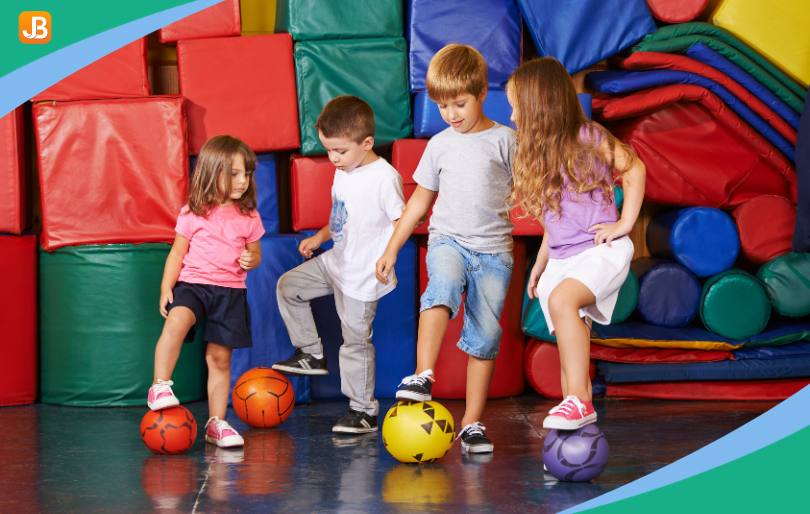
- Obstacle courses using cones, hoops, and low balance beams
- Tricycle or scooter paths on flat, enclosed surfaces
- Ball games focused on rolling, tossing, and catching
- Nature walks with simple scavenger hunts
Preschool outdoor activities should typically last 20–30 minutes at a time. This length allows children to stay engaged without becoming overtired or overstimulated.
To keep outdoor time safe and successful, camps should build in shade breaks, sunscreen routines, and frequent hydration rather than treating them as disruptions. Calm transitions indoors help children reset before the next activity.
Creative Preschool Summer Camp Activities That Encourage Expression
Creative activities help preschoolers build confidence and problem-solving skills by encouraging open-ended exploration rather than focusing on perfect results.
The crafts that most interest preschoolers are open-ended, allowing choice in colors, materials, and techniques. When children are free to experiment, they stay engaged longer and feel more confident in their creativity.
Effective summer camp preschool activities include:
- Open-ended painting with sponges, rollers, or natural brushes
- Collage-making using recycled or textured materials
- Clay or playdough modeling for shaping and sensory input
- Group murals that children can add to over multiple days
Camps avoid repetitive art activities by rotating materials instead of repeating the same project. For example, a single theme like “under the sea” can be explored through painting one day, sculpting the next, and storytelling later in the week, keeping the experience fresh without constant re-planning.
Music, Movement, and Imaginative Preschool Camp Activities
Music and imaginative play help preschoolers develop language skills, emotional control, and cooperation in short, structured sessions.
Music and movement work during indoor camp time or when children need to reset their energy. Singing, rhythmic movement, and pretend play help preschoolers practice listening, following directions, and expressing emotions in a safe, playful way.
Effective preschool indoor summer camp activities for kids include:
- Action songs with simple, repeatable choreography
- Rhythm games using shakers, drums, or clapping patterns
- Dramatic play centers, such as a grocery store, an animal hospital, or a space station
- Guided movement stories where children act out simple scenarios
Music and imaginative play sessions are most effective when kept short, typically 10–15 minutes, which helps maintain engagement without overwhelming young campers.
How Should Preschool Summer Camp Activities Be Structured Daily?
A good preschool camp schedule uses short, predictable activity blocks with a consistent daily routine to support attention and emotional regulation.
Preschool camps prevent overstimulation by alternating active and calm activities, keeping sessions brief, and using familiar transitions throughout the day. While flexibility is important, consistency helps young campers feel secure and reduces behavioral challenges.
A typical preschool camp schedule may include:
- Arrival and free play
- Morning group activity
- Outdoor play
- Snack and quiet time
- Creative or sensory activity
- Music or movement
- Lunch and rest period
- Afternoon outdoor or water play
Transitions matter just as much as activities. Songs, visual cues, and simple countdowns help children shift smoothly between parts of the day and maintain engagement.
Quick Checklist: What Makes a Preschool Camp Day Work
- Activity blocks under 30 minutes
- Alternating high-energy and calm activities
- Built-in snack, hydration, and rest times
- Clear visual or verbal transition cues
- Flexibility for individual needs

Safety and Supervision in Preschool Summer Camp Activities
Summer camp preschool activities are safest when camps rely on preparation, close supervision, and consistent routines rather than strict or reactive rules.
The most important safety rules preschool camps follow include maintaining proper staff-to-child ratios, setting clear activity boundaries, performing regular headcounts, and repeating simple safety expectations in child-friendly language.
Camps typically plan safety around:
- Appropriate staff-to-child ratios based on age and activity type
- Clearly defined play areas and boundaries
- Regular headcounts and attendance checks, especially during transitions
- Simple, repeatable safety reminders children can understand
Preschool camps usually need more staff per child than older age groups, especially during outdoor play, water activities, and transitions. Staff training is critical, as calm modeling and clear communication encourage positive behavior.
How Can Preschool Camps Manage Activities Smoothly?
Preschool camps run more smoothly when schedules, attendance, forms, and parent updates live in one shared place. Strong organization becomes especially important when coordinating summer camp activities for preschool kids across multiple groups, staff members, and daily schedules.
As camps grow, activity planning becomes more complex, particularly when schedules change daily or groups rotate through different activities. When the schedule, attendance, and forms are kept in one place, staff spend less time chasing details and more time with kids.
Organized scheduling helps ensure:
- Activities start and end on time
- Staff know where children should be
- Parents receive timely, consistent updates
- Records stay accurate across sessions
When teams share access to up-to-date information, communication improves, and errors are reduced. Some camps use tools such as Jumbula’s camp registration software to support registration, attendance tracking, and parent messaging. The goal is simple: fewer missed updates and fewer end-of-day surprises.
Conclusion: Building Meaningful Preschool Summer Camp Experiences
Well-planned preschool summer camp activities create days that feel fun, safe, and purposeful for young children. When camps combine structured routines with play-based learning, they support social, motor, language, and emotional development in ways that feel natural and engaging.
For families, this brings reassurance. For educators and camp directors, it leads to smoother days, clearer expectations, and more time focused on children. Predictable schedules and intentional activity planning help balance energy, creativity, and rest.
Clear communication and organized scheduling also play an important role. Jumbula supports registration, scheduling, and parent communication, ensuring daily camp activities run smoothly without adding operational stress.
When thoughtful planning and organization work together, preschool camps become supportive summer environments where children can thrive.
FAQ
What activities are best for a preschool summer camp?
The best activities combine movement, creativity, and sensory play in short, structured sessions appropriate for ages 3–5.
How long should preschool camp activities last?
Most activities work best in 15–30 minute blocks, depending on energy level and engagement.
Are indoor activities necessary for preschool camps?
Yes. Indoor activities provide balance, especially during hot weather or when children need calmer engagement.
How do camps keep preschoolers engaged all day?
By rotating activity types, maintaining predictable routines, and allowing flexibility for rest and movement.
Are summer camp activities good for preschoolers?
Yes. When developmentally appropriate, they support social skills, independence, and confidence.