





Key Takeaways
What is the difference between safety and supervision?
Safety is the set of rules (e.g., “no running by the pool”), while supervision is the active system that ensures those rules are followed. True supervision requires assigned zones, clear sightlines, and constant verbal/visual contact.
How do ratios change based on the activity?
Don’t use a “one size fits all” ratio. Younger children and high-risk zones—like waterfronts or campfire areas—require much lower staff-to-camper ratios to ensure immediate response times.
How can I prevent common health risks?
Move from reactive to proactive health management. Schedule mandatory hydration breaks and “shade rotations” into the daily program rather than waiting for campers to say they are thirsty or tired.
What is the Buddy System best for?
It is the most effective tool for transitions. Whether moving to the restroom or switching activity stations, the buddy system ensures no child is ever alone and makes headcounts significantly faster for staff.
Strong camp safety tips do two things at once: protect children and give families confidence.
For parents, safety means knowing their child is supervised, accounted for, and cared for throughout the day. For camp directors, safety is an operational system, one that affects staffing, training, communication, documentation, and daily decision-making.
That combination, clear systems plus calm follow-through, is what makes camp safety for kids feel real in practice.
Camps that consistently reduce incidents don’t rely on good intentions. They rely on structured systems.
This guide explains how camp safety works in real settings, from supervision ratios and medical policies to emergency planning and organized communication, so campers can focus on friendships and learning, and adults can trust the structure behind the scenes.
What Do Safety and Supervision Mean in a Summer Camp Setting?
Safety defines the rules that reduce risk, while supervision is the structured system that ensures those rules are applied consistently throughout the camp day.
In a summer camp, supervision is an active, organized process that includes:
- Continuous staff presence during activities and transitions
- Clearly assigned responsibility for specific campers, groups, and locations
- Reliable communication between counselors, supervisors, and administrators
Safety rules establish expectations such as boundaries, equipment use, and health protocols. Supervision systems ensure those expectations remain effective during high-movement periods, including arrival, meals, outdoor activities, and schedule changes.
Camps are safe when supervision standards are clearly defined, consistently enforced, and supported by trained staff. Programs that operate this way experience fewer incidents and respond more effectively when issues arise, which is the foundation of practical camp safety tips.
Why Staff Training Is the Foundation of Camp Safety for Kids
Staff training is required for camp safety because it enables counselors to apply rules correctly, respond consistently, and protect campers in real situations.
Effective camps treat training as a continuous operational process rather than a one-time orientation. This approach directly supports camp safety for kids by ensuring staff are prepared before campers arrive and remain consistent throughout the season.
Well-run programs focus on four training components:
- Preparedness: Staff understand expectations, roles, and decision-making authority before camp begins
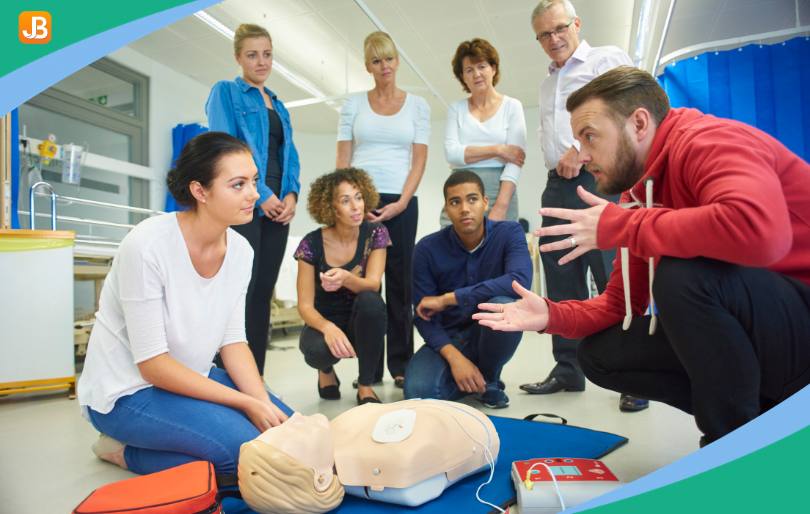
- Certifications: Camp staff typically hold first aid and CPR certification, with additional credentials such as lifeguarding, waterfront safety, or activity-specific certification based on their assigned duties
- Scenario-based practice: Staff rehearse responses to injuries, missing campers, weather disruptions, and behavioral incidents
- Documentation: Training completion, certifications, and refreshers are tracked and updated
Camp counselors need safety training because it removes guesswork. Instead of vague instructions, trained staff know who leads during emergencies, how to escalate concerns, and when incidents must be documented. This clarity reduces hesitation, improves response time, and protects both campers and staff.
How Camper Supervision Policies Reduce Risk at Summer Camp
Camper supervision policies reduce risk by establishing clear ratios, movement rules, and area responsibilities, enabling staff to monitor groups consistently and respond quickly.
A safe staff-to-camper ratio allows staff to maintain continuous visual and verbal contact with all campers in their care. Camps determine ratios based on camper age, activity type, and risk level, with younger campers and higher-risk activities requiring closer supervision.
Camps supervise large groups by dividing campers into smaller units and assigning responsibility deliberately rather than relying on general oversight.
The table below shows how supervision policies work in practice to reduce risk:
| Supervision practice | How it reduces risk | Practical example |
| Staff-to-camper ratios | Limits how many campers each staff member supervises at one time, improving visibility, response time, and accountability | During swimming activities, additional counselors are assigned so each staff member supervises a smaller group and maintains clear sightlines |
| Buddy systems | Prevents campers from moving through camp alone and makes headcounts faster and more reliable during transitions | Campers enter and leave restrooms with an assigned buddy, allowing counselors to confirm everyone returns together |
| Monitoring zones | Assigns staff responsibility to specific areas, eliminating blind spots and overlaps | During outdoor free play, one counselor monitors the field, another the playground, and another the shaded rest area |
Camp Health and Medical Safety Practices Every Program Needs
Camp health and medical safety rely on preparation, organized information, and clear response procedures rather than medical complexity.
Camps take health precautions by embedding prevention and consistency into daily routines instead of reacting only when problems arise. These precautions are a core part of effective camp safety tips because they reduce common risks before they escalate and provide staff with clear guidance when health concerns arise.
Core health and medical safety practices include:
- Hydration and heat management: Scheduled water breaks, shaded rest periods, and staff monitoring for heat-related symptoms
- Allergy awareness: Allergy and dietary info kept in one place so staff can prevent exposure
- Medication handling: Secure storage, designated administrators, and documented administration times
- Incident reporting: Simple, consistent forms used to record injuries, symptoms, and follow-up actions
Camps handle medical emergencies by following pre-established procedures rather than improvising. Staff recognize symptoms, provide basic first aid within their role, escalate concerns to medical professionals when required, and document the incident for follow-up and parent communication.
Camps do not need to function like clinics. They need organized records, defined responsibilities, and calm, predictable responses. When staff know where information is stored and what steps to follow, health issues are addressed quickly and without unnecessary escalation.
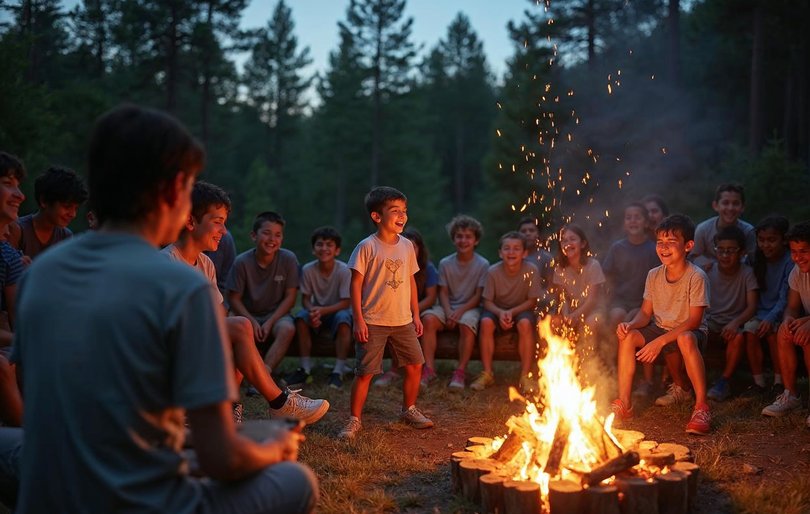
Campfire Safety for Kids and Outdoor Risk Prevention
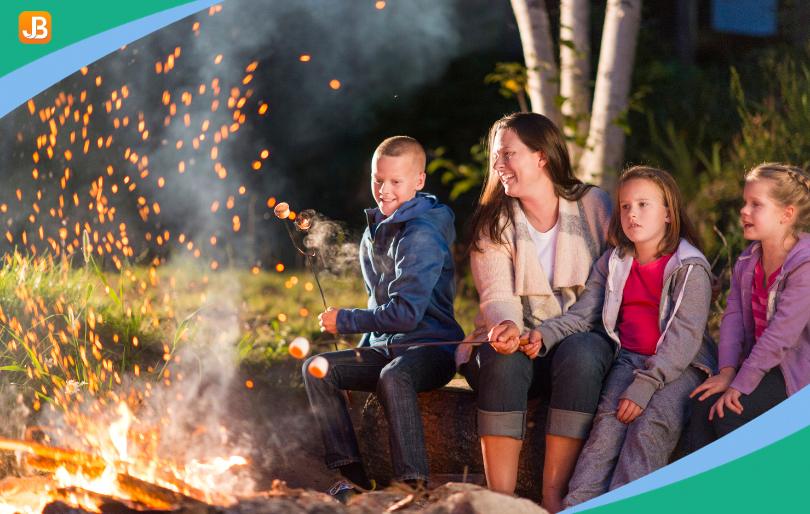
Campfire safety for kids depends on clear rules, active supervision, and awareness of environmental conditions.
Camps establish campfire safety rules for kids by defining where campers may sit or stand, what behavior is permitted near fire areas, and which activities require direct staff oversight. These rules are communicated before activities begin and reinforced consistently during outdoor programs.
Camps prevent outdoor accidents by controlling the environment and supervision rather than restricting activities entirely. Staff assess conditions in advance, position themselves strategically, and adjust plans based on weather or terrain.
Effective outdoor safety practices include:
- Clear fire rules: Defined seating areas, boundaries, and behavior expectations around campfires
- Active supervision: Intentional staff positioning to maintain visibility and prevent unsafe behavior
- Environmental awareness: Monitoring wind, ground conditions, weather changes, and nearby hazards
When these elements are in place, campfires and outdoor activities remain safe, structured, and enjoyable. Preparation and supervision allow campers to participate confidently without unnecessary risk.
Emergency Preparedness and Communication Systems in Summer Camps
Emergency preparedness in summer camps relies on advance planning, defined leadership, and clear communication rather than improvisation.
Camps handle emergencies by following written response plans that specify roles, actions, and escalation steps before an incident occurs. These plans guide staff through situations such as severe weather, medical emergencies, or evacuations so responses remain calm, consistent, and coordinated.
Strong camps maintain:
- Written emergency plans: Documented procedures for weather events, medical situations, lockdowns, and evacuations
- Defined communication channels: Designated use of radios, phones, or other communication methods so staff can relay information quickly
- Clear leadership roles: Pre-assigned decision-makers to avoid confusion during incidents
- Documentation processes: Consistent records of what occurred, how it was handled, and any follow-up actions
Parents are informed about incidents through pre-established communication protocols. Camps determine in advance when families will be notified, what information will be shared, and who will communicate updates. This approach ensures parents receive timely, factual information without speculation or delay.
When emergency procedures are practiced and communication is planned in advance, staff act with confidence and parents maintain trust, even during stressful situations.
How Camp Registration Software Supports Safety and Supervision
Camp registration software supports safety by organizing critical information, enabling staff to consistently supervise campers and respond without delay.
Camps track camper attendance safely by using real-time attendance records kept in one place rather than manual headcounts or scattered lists. This allows staff to confirm who is present during arrivals, activity transitions, and departures and to identify discrepancies immediately.
Software supports camp safety management by organizing information beyond attendance. Shared systems keep medical records, allergy details, and communication history accessible to authorized staff, reducing reliance on memory and minimizing miscommunication across teams. This operational clarity reinforces practical camp safety tips by preventing avoidable errors before they affect campers.
Many camps use camp registration software to support safety operations in three core ways:
- Attendance tracking: Accurate, time-stamped records improve accountability during supervision and transitions
- Medical and allergy records: Centralized access supports appropriate responses without delay
- Communication logs: Consistent records of updates sent to families support transparency and follow-up
Some camps use platforms like Jumbula to keep these records and messages organized behind the scenes. These systems do not replace human supervision; they reduce administrative friction so staff can focus on campers.
Quick Checklist: Camp Safety Essentials
- Trained staff with documented certifications and refreshers
- Clearly defined supervision ratios and monitoring zones
- Centralized medical, allergy, and attendance records
- Written and practiced emergency response plans
- Consistent, transparent communication with parents
Conclusion: Building a Culture of Safety Through Structure and Communication
Effective camp safety tips prove their value in everyday moments, during busy transitions, with changing weather, and during activities that require closer attention. Camps that plan ahead and keep responsibilities clear can stay organized, respond quickly, and avoid small issues from turning into bigger ones.
That same preparation applies to hands-on situations, such as outdoor activities and campfire safety for kids, where clear rules, visible supervision, and shared expectations matter most. When staff know exactly what to watch for and how to communicate, safety becomes part of how the day runs, and families can trust that it’s handled consistently.
FAQ
What safety measures should summer camps have?
Summer camps should have trained staff, defined supervision ratios, health and medical protocols, written emergency plans, and clear communication systems for families.
How safe are overnight camps?
Overnight camps are safe when they maintain consistent supervision at all times, employ trained overnight staff, and follow structured safety and communication procedures.
What supervision standards protect campers?
Effective supervision standards include appropriate staff-to-camper ratios, assigned monitoring zones, buddy systems, and clear escalation procedures.
How can parents evaluate camp safety?
Parents can evaluate camp safety by reviewing staff training requirements, supervision policies, emergency preparedness plans, and the camp’s communication with families.



4 thoughts on “Tips for Safety and Supervision at Camp: A Practical Guide for Camp Directors and Parents”
Great wordpress blog here.. It’s hard to find quality writing like yours these days. I really appreciate people like you! take care
We’re grateful for your support and encouragement, and we hope to keep delivering content you find valuable.
Take care as well, and we look forward to having you back soon. 😊
Great article, exactly what I was looking for.
Glad you found it helpful.