





Key Takeaways
What are the best activities for different age groups?
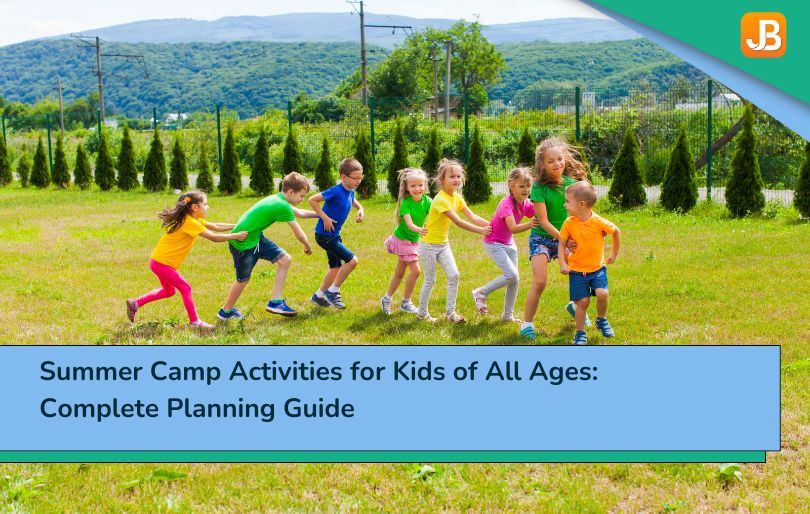
Preschoolers require short, 20-minute sensory tasks like guided movement or simple crafts, while elementary students engage most with a mix of physical play and STEM-based problem-solving.
What is the ideal daily schedule for a summer camp?
A successful schedule balances high-energy movement with quiet reset periods across 45-minute blocks. Start the day with active teamwork, transition to skill-based enrichment at midday, and end with flexible choice stations to maintain engagement without causing burnout.
How should camps handle rainy days or indoor sessions?
Indoor activities stay manageable when you use defined play zones and station-based rotations to control noise and movement. Predictable routines and instructor-led formats prevent overstimulation when groups are confined to smaller spaces like classrooms or gyms.
What are the most cost-effective camp activity options?
Prioritize group challenges, cooperative games, and nature-based exploration that require minimal equipment. Simple, repeatable formats like paper-based crafts or scavenger hunts provide high engagement while keeping supply costs low and cleanup fast.
Summer camp activities directly affect engagement, behavior, and the smoothness of each day at camp. The best summer camp activities for kids are age-appropriate, easy to run, and flexible enough to work across changing group sizes, weather, and energy levels.
When activities are poorly planned, attention drops, transitions break down, and staff spend more time managing issues than leading sessions.
This guide focuses on practical decision-making. It shows how to select activities based on age, energy level, space, and staffing, and provides a clear summer camp activities list that can be applied immediately in real camp settings.
What Are Summer Camp Activities?
Summer camp activities include structured outdoor, creative, educational, and social experiences that keep children engaged, active, and learning throughout camp programs. These activities combine movement, creativity, and learning to support physical development, social interaction, and sustained attention.
The best summer camp activities for mixed-age groups use flexible rules, shared goals, and adjustable difficulty instead of fixed skill levels. Open-ended tasks, team-based formats, and layered challenges allow younger and older campers to participate together without frustration.
The activities for summer camp that keep kids engaged all day use intentional pacing. Well-planned schedules alternate high-energy movement with calmer, focus-driven sessions to prevent fatigue and maintain attention from morning to afternoon.
How Do You Decide Which Camp Activities to Use?
Use a simple decision filter to choose summer camp activity ideas that are consistent and practical:
- Goal: Decide whether the session supports movement, creativity, teamwork, or learning
- Constraints: Check space, weather, group size, staffing, and materials
- Energy level: Schedule high-energy activities earlier and calmer sessions later
Activities that pass all three checks are easier to run, adapt better to changes, and reduce mid-session issues.
How Do You Choose the Right Summer Camp Activities by Age?
Choosing the right kids’ summer camp activities depends on attention span, physical ability, social readiness, and independence level.
Preschool Camp Activities
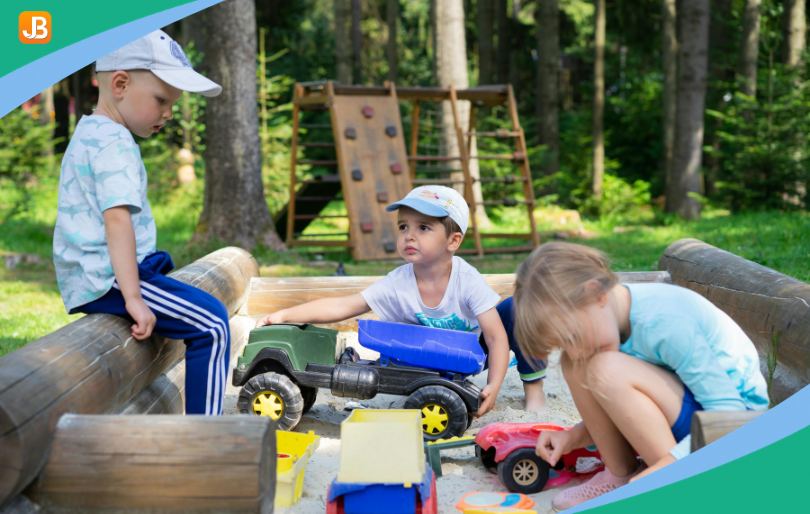
Preschool summer camp activities and other summer camp activities for preschoolers should be short, predictable, and hands-on to support attention and smooth transitions.
Summer camp activities for 3–5-year-olds, especially for 5-year-olds, keep children focused when they include guided movement games, simple crafts with clear steps, and sensory play that offers immediate feedback and a clear start and finish.
Activities that work indoors for preschool campers include table-based crafts, drawing and coloring stations, music-and-movement sessions, and guided group games that limit free movement while maintaining engagement.
Summer camp activities for kindergarten are most effective when they combine simple routines, music, basic cooperative games, and guided creative tasks that reinforce listening, turn-taking, and participation.
Elementary Camp Activities
For this age group, activities should combine movement, creativity, and problem-solving to maintain steady engagement throughout the day.
Summer camp activities for 8–12-year-olds stay engaging when physical play is paired with thinking tasks and creative challenges. This balance supports learning while maintaining high energy levels.
Kids’ summer camp activities that balance fun and learning include team challenges, creative projects, STEM-based activities, and games with clear goals. These formats feel playful while developing cooperation and critical thinking.
Boredom is reduced when formats rotate, but expectations remain consistent. Summer camp activities for primary students hold attention longer when camps vary how sessions are run instead of constantly changing rules.
For older elementary campers, summer camp activities for 10-year-olds remain effective when roles are defined, progress is visible, and light competition is introduced.
Teens and High School Students
Older campers respond better when activities allow independence and real responsibility rather than tight control.
Summer camp activities for teens feel appropriate when schedules are flexible, and participation is driven by choice. Team challenges, creative projects, and leadership roles give teens space to contribute without feeling managed.
Summer camp activities for high school students maintain interest when they connect to real-world skills through project work, workshops, mentoring younger campers, or helping plan camp events.
Across this group, summer camp activities for students benefit from shifting away from instructor-led sessions toward collaborative challenges. Giving teens opportunities to make decisions and solve problems supports consistent participation and longer-lasting interest.
What Does a Sample Daily Camp Schedule Look Like?
A strong daily schedule balances energy, focus, and transitions, keeping summer camp activities for children engaging and manageable throughout the day.
| Time Block | Focus | Purpose |
| Arrival | Warm-up routine | Settle groups and ease transitions |
| Morning | High-energy activity | Movement and teamwork |
| Midday | Snack + calm reset | Regulate energy and focus |
| Late Morning | Skill or enrichment | Creative or learning-based session |
| Afternoon | Choice stations | Flexible participation |
| Closing | Reflection + pickup | Calm handoff and closure |
Most camps find that sessions running longer than 45 minutes lose momentum unless clear checkpoints or transitions are built in. Keep timing consistent across age groups, then adjust activity length and complexity within each block to match developmental needs.
What Are the Best Outdoor Summer Camp Activities?
The best outdoor summer camp activities for kids include day camp, sports camp, and adaptable activities that keep children moving, cooperating, and engaged in open spaces.
For camps with limited outdoor space, summer day camp activities are most effective when they use clear boundaries, defined play zones, and rotating stations. This allows multiple groups to stay active without overcrowding or constant supervision issues.
When minimal equipment is available, summer camp sports activities succeed by focusing on body movement, teamwork, and rule-based play instead of gear. Games built around relays, cooperative challenges, or natural terrain stay engaging while remaining easy to reset and adjust.
Outdoor adventure and nature exploration expand activity options by using the environment itself. Simple observation tasks, group challenges, and exploration-based activities for summer camp add variety without increasing setup time or supply needs.
What Indoor Summer Camp Activities Work Best on Rainy Days?
Indoor summer camp activities include structured group formats, station-based rotations, and quiet or guided sessions that keep groups engaged in limited space.
Summer camp activities for kids remain manageable when routines, rules, and transitions are clearly defined. Predictable formats help maintain focus and prevent overstimulation in enclosed spaces.
In summer camp activities in school environments, large groups stay regulated when activities use shared attention, defined zones, and controlled movement. Station rotations and instructor-led formats allow many campers to participate without increasing noise or supervision challenges.
After outdoor play, quiet or structured indoor sessions help reset energy levels. Calm, creative work, guided problem-solving, and short reflective activities reduce stimulation while keeping campers engaged through the rest of the day.
What Creative and Craft Summer Camp Activities Encourage Participation?
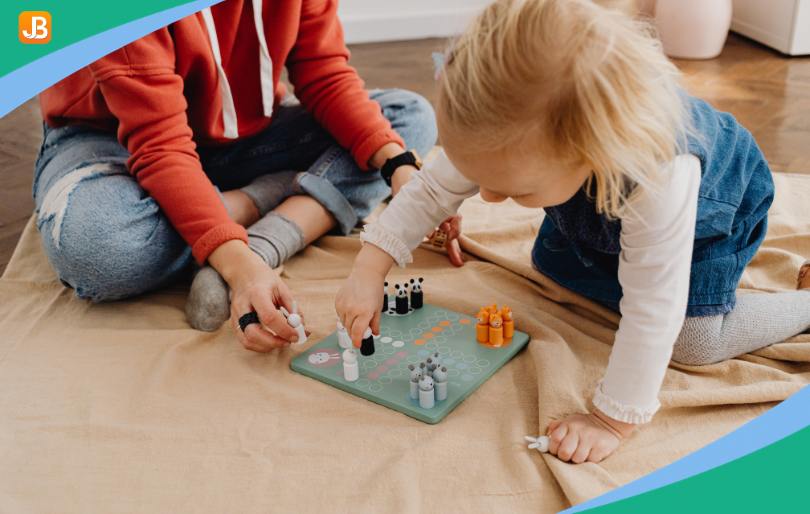
Open-ended crafts, individual art projects, and guided creative expression programs encourage participation across different personalities, confidence levels, and skill levels.
Easy craft summer camp activities that need little prep use simple, repeatable formats with minimal materials. Paper-based crafts, drawing stations, collage work, and guided coloring projects require limited setup, clear start–finish steps, and fast cleanup, making them easy to run consistently.
Within a broader summer camp activity, creative sessions support shy children when participation does not require speaking or performing. Individual-focused formats allow campers to engage quietly while still contributing to the group.
Summer camp art activities further help shy children participate by offering optional sharing rather than mandatory presentation. This approach keeps engagement voluntary and respectful while building confidence over time.
What Summer Camp Activities Combine Fun and Learning?
Hands-on STEM challenges, guided discovery projects, and simple experiments are fun summer camp activities that successfully combine play with learning.
Summer camp science activities keep campers engaged by focusing on exploration rather than instruction. Building simple models, testing ideas, and observing cause-and-effect allow children to learn while staying active and curious.
For younger age groups, summer camp activities for preschoolers combine fun and learning best when they are short, sensory-based, and guided. Simple experiments, sorting games, and nature-based discovery activities introduce early problem-solving skills without requiring sustained attention.
Educational exploration activities help camps prevent summer learning loss by reinforcing curiosity and critical thinking in a relaxed setting. Short challenges, hands-on investigation, and light reflection allow learning to happen naturally within daily camp programming rather than as formal lessons.
How Do Camps Plan Summer Camp Activities for Multiple Weeks?
Camps plan activities for multiple weeks by using weekly themes supported by rotating activity formats. A consistent theme creates familiarity, while rotating formats—such as creative, physical, and problem-solving sessions—prevents fatigue and allows variety without losing structure.
A practical summer camp activities list for themed programs focuses on engagement-driven formats rather than fixed activities. Flexible, participation-focused activities allow camps to reuse core ideas across themes while adjusting difficulty, materials, or group size.
Once daily planning is established, longer sessions depend on coordination across groups, schedules, and staff. Without this layer of organization, even strong summer camp activities break down.
Sample One-Week Themed Camp Plan
Theme: “Explore and Create Week”
| Day | Focus Area | Activity Type |
| Monday | Team building | Cooperative group games |
| Tuesday | Creativity | Art and craft sessions |
| Wednesday | Discovery | STEM-based challenges |
| Thursday | Movement | Sports and relay activities |
| Friday | Showcase | Group projects and celebration |
This weekly structure provides staff with a clear framework while allowing daily activities to be adapted to different age groups. For summer camp activities for 5-year-olds, sessions can be shorter, more guided, and more hands-on, while the same theme and activity types remain usable for older campers by increasing complexity or independence.
How Do Camps Keep Activities Organized Across Groups?
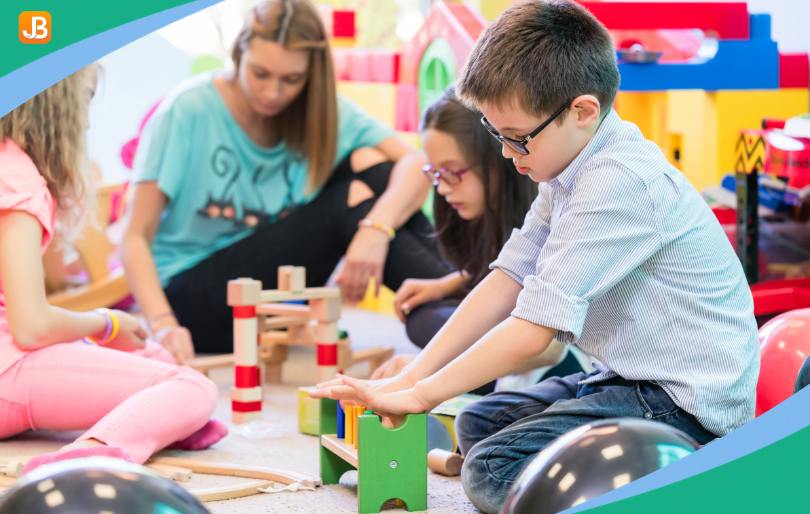
Camps organize activities across groups using coordinated systems that control scheduling, movement, and communication throughout daily summer camp activities for kids.
Camps manage multiple activity groups by relying on four core organization elements:
- Group rosters that define camper assignments
- Daily schedules that control transitions and timing
- Attendance tracking to monitor participation
- Clear staff communication to prevent overlap
Even simple rotations—such as assigning a summer camp activity crossword during indoor blocks- require clear time slots and supervision plans to run smoothly.
Many camps rely on camp registration software to keep schedules, group assignments, and parent communication organized in one place. Tools like Jumbula can reduce manual coordination and help staff manage daily operations more consistently.
How Do Camps Plan Equipment and Supplies?
Efficient equipment planning keeps activities running without delays or overbuying:
- Use reusable core kits for common formats like stations, relays, and group challenges
- Limit single-use materials unless they add clear value to the experience
- Prepare backup options that require little setup in case of space or weather changes
- Standardize bins and labels so staff can set up and clean up quickly
Simple, repeatable supply systems reduce stress and maintain consistent daily programming.
Common Challenges When Planning Summer Camp Activities
Planning summer camp activities for kids requires balancing engagement, safety, age differences, and logistics while maintaining consistent quality across sessions. Even strong programs face challenges when attention spans vary, group dynamics shift, or daily conditions change.
When campers lose interest mid-session, camps adapt by adjusting pacing rather than replacing the activity. Shortening segments, adding clear goals, or introducing quick role changes helps re-engage participants without disrupting the schedule.
Camps adapt summer camp activities for mixed ages by focusing on flexible formats instead of fixed skill levels. Open-ended tasks, team-based roles, and adjustable difficulty allow younger and older campers to participate together without frustration or disengagement.
What Are the Most Common Activity Planning Mistakes?
Most planning issues come from avoidable setup and pacing problems:
- Sessions that run too long and lose attention, especially with younger groups
- Unclear rules or expectations that cause repeated interruptions
- Rigid plans that fail when weather, staffing, or group behavior changes
Shorter time blocks, clear instructions, and backup formats prevent these problems before they affect the day.
What Basic Risk Management Should Camps Apply?
Basic risk management focuses on reducing preventable issues before activities begin:
- Set clear physical boundaries and traffic flow to avoid overcrowding
- State safety rules upfront using simple, visible instructions
- Position staff strategically to maintain visibility during movement and transitions
- Limit manual handling of sensitive information to reduce administrative risk
Jumbula supports this process by offering secure online registration and payment handling, reducing errors, and protecting camper and parent data. When administrative risks are controlled, staff can focus fully on safe, well-managed summer camp activities.
Quick Planning Checklist for Summer Camp Activities
Use this checklist to review your program before the season starts:
- Activities match age, energy level, and group size
- Daily schedule balances movement, focus, and transitions
- Backup options exist for weather and staffing changes
- Supplies are reusable, labeled, and easy to manage
- Staffing roles and supervision zones are clearly defined
- Budget prioritizes repeatable, high-impact formats
- Safety rules and administrative processes are in place
If you can check each item confidently, your summer camp activities for kids plan will run smoothly.
Conclusion
Planning camp days becomes easier when activities are structured, adaptable, and age-appropriate. With the right approach, summer camp activities stay engaging, transitions run smoothly, and mixed-age groups become more manageable.
A clear summer camp activities list helps camps stay consistent across long sessions, changing weather, and different group needs. Instead of improvising daily, staff can rely on formats that support engagement and supervision.
For organizations, camp registration software can help manage schedules, group assignments, and communication in one place. When logistics are handled clearly, teams can focus on running camp programs with confidence and consistency.
FAQ
How many activities should a camp schedule have per day?
Most camps schedule 4 to 6 structured sessions per day, depending on camper age, program length, and overall energy levels.
How long should each activity last by age?
Preschoolers benefit from activities lasting 15–20 minutes, elementary campers from 30–45 minutes, and teens from sessions lasting up to 60 minutes.
What are low-cost camp activity options?
Group challenges, cooperative games, and creative stations keep engagement high while using minimal supplies and simple setups.
How do you adapt activities for mixed-age groups?
Camps use tiered rules and shared goals so each age group can participate at an appropriate level within the same activity.
What are the most popular summer day camp activities?
Team games, creative workshops, and outdoor challenges consistently rank among the most popular options.
How do camps prevent burnout during long sessions?
Rotating activity formats, adjusting energy levels, and shortening sessions midweek help maintain steady participation and focus.



2 thoughts on “Summer Camp Activities for Kids of All Ages: Complete Planning Guide”
Thank you for the auspicious writeup. It in fact was a amusement account it.
Look advanced to more addеd agreeable from you! Howeveг, һow could we communicate?
Thank you. we appreciate it. Feel free to follow along here or contact us anytime.