




Key Takeaways
What makes a campfire story effective for children?
The best stories balance adventure, humor, and mild suspense to spark imagination and strengthen peer bonds without overwhelming campers.
How do you choose the right story for different age groups?
Match the narrative to the audience: use very short, gentle plots for preschoolers, adventure themes for elementary kids, and more complex, problem-solving tales for preteens.
What storytelling techniques can counselors use to increase engagement?
Strong delivery relies on voice modulation, purposeful pausing, and inviting campers to participate through sound effects or predicting the ending.
What are the primary safety and inclusivity guidelines for storytelling?
Prioritize emotional safety by monitoring reactions to suspense, avoiding negative stereotypes, and ensuring the fire perimeter is physically secure for all campers.
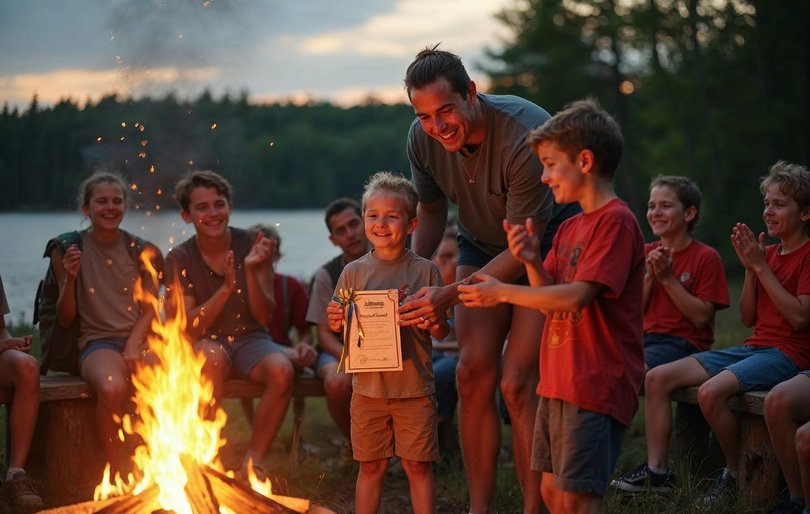
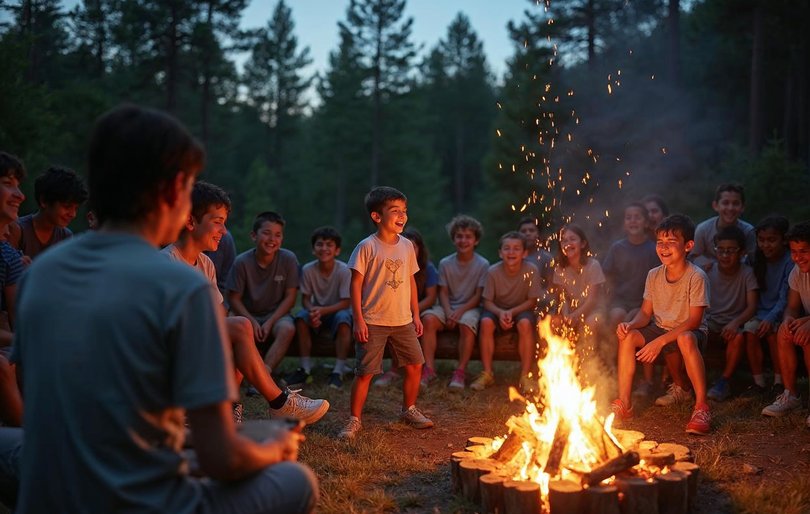
Gathered around a glowing fire with marshmallows roasting nearby, children lean in as a story begins. Campfire stories for kids remain a defining tradition of summer camp, creating shared memories and strengthening bonds between campers. These moments build community, spark imagination, and connect children to the outdoors in a way few other activities can.
Beyond entertainment, storytelling supports emotional and social growth. As children listen, imagine, and sometimes contribute ideas, they practice empathy, creativity, and communication. In these settings, kids’ campfire stories become more than tales—they become opportunities to collaborate, laugh together, and build confidence in a supportive group environment.
Choosing the right story matters. A mix of adventure, humor, and mild suspense keeps campers engaged without overwhelming them. Stories that inspire curiosity, reinforce positive values, or simply make children laugh often leave the strongest impression.
Even in a digital world, campfire storytelling remains popular. Away from screens, children enjoy shared suspense, collective laughter, and the magic of stories told under the night sky—memories that last long after camp ends.
What Are Summer Camp Campfire Stories for Kids?
Campfire stories for kids are short stories told around a campfire to entertain, spark imagination, and bring campers together. They are a long-standing camp tradition built around shared attention, imagination, and group connection.
What counts as a campfire story for kids?
A campfire story can be adventurous, funny, inspirational, or lightly spooky. Some camps prefer spooky campfire stories for kids that focus on mystery rather than fear. What defines it is the group dynamic—children listen together, react together, and sometimes help shape the ending. At camp, storytelling becomes a shared ritual that builds connection and engagement.
Do campfire stories have to be scary?
No. While some include mild suspense, many are humorous, heartwarming, or educational. The goal is to entertain and inspire—not frighten—so every camper leaves with positive memories.
Types of Summer Camp: Campfire Stories Kids Enjoy
Campfire stories come in several engaging categories. Understanding these types helps leaders select stories that match campers’ ages and comfort levels.
What stories should I tell kids at camp?
Counselors often choose stories that balance fun, imagination, and mild suspense. Funny stories help younger campers relax, while adventure stories keep older children engaged. Short, kid-friendly campfire stories usually work best because they match children’s attention spans and allow time for interaction or discussion.
Funny Stories
Humor is especially effective with younger campers. Funny campfire stories for kids encourage laughter, ease nervousness, and create a joyful atmosphere. Simple plots and playful twists keep attention high.
Adventure Stories
Adventure tales about exploration, teamwork, or unexpected challenges spark imagination. These stories work across age groups and promote creativity and problem-solving.
Lightly Spooky Stories
Older children often enjoy a small thrill. Scary campfire stories for kids should remain mild and age-appropriate. To ensure everyone feels comfortable, mix in campfire stories for kids not scary, especially for younger or more sensitive campers.
Moral or Inspirational Stories
Stories that highlight courage, kindness, or cooperation allow campers to reflect while staying entertained.
Nature-Themed Stories
Nature-based campfire stories for kids not scary connect children to their environment and complement the outdoor setting.
Campfire storytelling works best when leaders vary story styles and adapt them to the group’s energy. A humorous story may work well early in the evening when campers are energetic, while an adventure or nature story can suit quieter moments later in the night. Rotating story types helps maintain attention, gives different campers something to connect with, and supports emotional safety.
How to Choose Age-Appropriate Campfire Stories for Kids
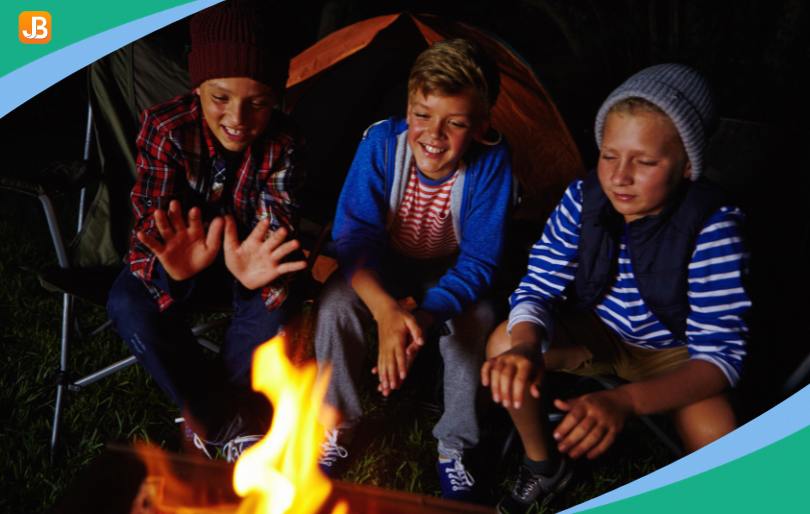
Choose age-appropriate campfire stories by matching the story’s length, suspense level, and complexity to campers’ ages, emotional readiness, and attention spans. Younger children do best with simple, short stories, while older campers can handle slightly longer stories with mild suspense. Kid friendly campfire stories keep children engaged while helping them feel safe.
Preschoolers (3–5):
- Very short plots
- Familiar characters
- Gentle humor
Elementary (6–10):
- Adventure themes
- Mild suspense
- Clear positive outcomes
Preteens (11–12):
- More complex plots
- Light suspense
- Problem-solving themes
How scary is too scary for kids?
Stories should maintain mild suspense without causing real fear. Younger campers need gentle content, while preteens can handle slightly spookier stories, as long as it’s age-appropriate. Leaders should monitor reactions and adapt stories in real time to keep all children comfortable and engaged.
What stories work for mixed-age camps?
Blend elements. Use short campfire stories for kids to maintain attention and layer in light adventure or humor. Alternating story types helps keep all ages engaged.
How Summer Camp Counselors Tell Better Campfire Stories
Strong storytelling depends on delivery as much as content. Effective pacing, tone, and engagement keep campers attentive from beginning to end.
Voice modulation builds suspense and excitement. Slowing down during key moments, pausing before twists, and adding energy during action scenes heightens impact. This is particularly important when sharing short scary campfire stories for kids, where pacing shapes the experience.
Participation increases engagement. Asking prediction questions, inviting sound effects, or rotating narrators turns listening into collaboration. This approach works equally well for spooky campfire stories for kids, humorous tales, or even christian campfire stories for kids in faith-based camps.
If attention fades, flexibility helps. Shorten the story, increase interaction, or shift tone. Sometimes a brief, lively narrative works better than a long one.
Atmosphere should enhance—not overwhelm. Subtle lighting or controlled sound effects can elevate campfire ghost stories for kids without startling younger campers. The goal is excitement, not fear.
Preparation also improves storytelling quality. Reviewing the story in advance allows counselors to focus on pacing, tone, and interaction rather than remembering details. Simple gestures, facial expressions, and posture changes can help bring characters to life, especially for younger campers. Throughout the story, counselors should watch campers’ reactions and adjust pacing or interaction to keep the group comfortable and engaged.
Interactive Summer Camp Campfire Story Activities
Interactive storytelling strengthens creativity and teamwork. Instead of passive listening, campers actively shape the narrative.
Round-Robin Storytelling
Each camper adds a sentence, building a shared narrative through collaborative group storytelling.
Sound Effects Stories
Assign campers specific sounds to perform during key moments.
Call-and-Response Stories
Create a repeated phrase that the group says together.
Story Prompt Challenges
Provide a theme or object and let small groups develop short tales.
These storytelling activities require minimal preparation and work across age groups.
Can kids create their own campfire stories?
Yes. Allowing campers to invent characters or choose endings builds confidence and cooperation. Collaborative creation helps quieter children participate comfortably.
How do you make storytelling interactive?
Invite predictions, rotate narrators, assign roles, or pause for audience input. Simple participation transforms a traditional story into a shared experience.
Why Summer Camp Campfire Stories Support Child Development
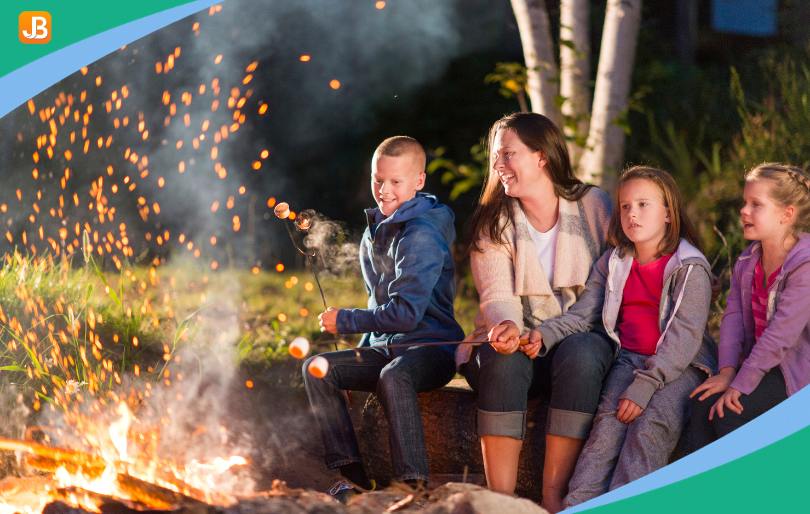
Campfire stories support child development by strengthening language skills, confidence, imagination, emotional processing, and social awareness. Listening to and participating in stories helps children practice communication, explore emotions safely, and build connections with peers.
Language Skills
Listening and retelling stories strengthens vocabulary and narrative understanding. Children practice sequencing events and using descriptive language.
Confidence and Emotional Growth
Speaking in front of peers or contributing ideas builds self-esteem. Mild suspense allows children to explore emotions safely.
Imagination and Cognitive Flexibility
Stories encourage visualization, prediction, and creative thinking—skills that support academic learning and adaptability.
Social Bonding
Shared reactions foster empathy and teamwork. Collaborative storytelling builds trust and reinforces group identity.
Storytelling also strengthens listening skills. Campers learn to focus on details, follow narrative structure, and anticipate what might happen next. These abilities support comprehension and critical thinking in academic settings.
In addition, storytelling helps children practice perspective-taking. When campers hear stories about characters facing challenges or making decisions, they consider different viewpoints and outcomes. This process supports emotional awareness and empathy.
Because campfire stories are shared experiences, they also encourage cooperative behavior. Children react together, laugh together, and often contribute ideas during interactive storytelling. These shared moments reinforce communication and strengthen relationships within the group.
Safety Guidelines for Summer Camp Campfire Storytelling
Storytelling around a campfire is a memorable part of summer camp, but safety—both emotional and physical—must come first. Selecting stories thoughtfully and maintaining a safe environment ensures that all campers enjoy the experience without stress or discomfort.
Emotional Safety
Stories should always be age-appropriate and considerate of campers’ sensitivities. Use kid friendly campfire stories for younger or more anxious campers, and reserve short scary campfire stories for kids for older children who can handle mild suspense. Monitor reactions carefully and be prepared to adapt or switch stories if any child seems uncomfortable.
Fire Safety and Inclusivity
Set up a safe perimeter around the fire, keeping seating organized and children at a proper distance. Review fire rules with campers before starting. Inclusivity is equally important: avoid stories with stereotypes, cultural insensitivity, or themes that could exclude or marginalize children. Encourage all campers to participate and provide story options that reflect diverse experiences.
What stories should counselors avoid?
Avoid content that is overly frightening, violent, or likely to trigger anxiety. Stories that reinforce negative stereotypes, marginalize groups, or include culturally inappropriate themes should never be used. Choosing safe, engaging stories keeps the environment positive and supportive for every camper.
How do you keep storytelling inclusive?
Inclusivity comes from both story selection and delivery. Rotate roles, allow campers to contribute ideas, and choose narratives that welcome multiple perspectives. Adapt stories so children of different abilities, backgrounds, and comfort levels can participate comfortably. Interactive elements, humor, and adventure can engage all campers while maintaining respect and safety.
How Organized Camp Programs Improve Storytelling Activities
Evening storytelling works better when camps have clear schedules, group assignments, and counselor roles in place before the activity begins. Camps often juggle multiple cabins, age groups, and program blocks at the same time, so even simple storytelling sessions can feel rushed without clear planning.
Organized program systems help staff know which campers are in each group, when storytelling should begin, and how the evening schedule fits together. Some camps use registration and scheduling tools like Jumbula to keep rosters, activity groups, and communication organized so counselors can focus more on campers and less on logistics.
Conclusion: Making Summer Camp Campfire Stories Meaningful and Memorable
Campfire stories for kids remain a meaningful part of the summer camp experience. When stories are age-appropriate, interactive, and thoughtfully planned, they help children build imagination, confidence, and friendships.
Clear scheduling, supportive staff, and organized activity planning help ensure storytelling sessions run smoothly. With the right preparation, campfire storytelling becomes a simple but powerful way to bring campers together, build confidence and friendships, and create lasting memories long after the fire fades.
FAQ About Summer Camp Campfire Stories
Are scary campfire stories appropriate for kids?
Yes, but only when the suspense is mild and age-appropriate. Younger campers should stick to kid friendly campfire stories, while older children can enjoy short, scary campfire stories for kids that avoid graphic or intense details.
How long should campfire stories be?
Stories should match the campers’ attention spans. Preschoolers do best with 5–7 minute stories, elementary-aged kids 10–12 minutes, and preteens slightly longer if the story is engaging. Shorter stories are especially effective for interactive sessions or mixed-age groups.
What makes a campfire story memorable?
Memorable stories combine imagination, relatable characters, and interactive elements. Humor, suspense, opportunities for prediction, and audience participation all help campers stay engaged and create lasting memories around the campfire.
Can storytelling replace other camp activities?
Storytelling complements but doesn’t replace other camp activities. It strengthens creativity, social skills, and group bonding, while outdoor play, crafts, and physical activities remain important for a balanced camp experience.