




Key Takeaways
What makes a winter camp game a good choice?
Good winter camp games are chosen for a specific setting — indoor or outdoor — rather than picked randomly and adapted on the spot.
Does winter weather affect how active kids are?
Yes — kids’ physical activity levels drop measurably in the colder months, according to University of Cambridge research, which makes active games more important in winter, not less.
Do you need separate plans for outdoor and indoor games?
Yes — outdoor snow games and indoor bad-weather backups solve two different problems, so plan for both instead of hoping the weather cooperates.
Does group size affect which games work?
It does — a game built for eight kids often falls apart with thirty, so match the game to your actual group size.
Does structured play actually benefit campers?
It does — 92% of campers report positive personal growth after a camp experience, per the American Camp Association, and structured group play is a real part of that.
Winter camp games get lumped into generic “winter activities” lists more often than they get their own real treatment — crafts, STEM projects, and games all mixed together as one long scroll. That’s fine for inspiration, but it doesn’t help much on a Tuesday morning when you need an indoor game for 25 kids in twenty minutes because the wind chill just made the outdoor plan a bad idea. Here’s a games-specific breakdown built around the two things that actually determine whether a game works: setting and group size.
What Makes Winter Camp Games Work Well?
Winter camp games work well when they’re matched to setting and group size before they’re chosen for novelty — a clever game that needs a gym you don’t have, or works for six kids but not sixty, isn’t actually a good pick no matter how fun it sounds on paper.
Three questions worth asking before you commit to any game: Is it indoor or outdoor, and does today’s weather allow for that? How many kids are actually playing, and does the game scale up or fall apart with more people? And does it need equipment you have on hand, or does it require a supply run you didn’t plan for? Games that pass all three tend to become weekly regulars. Games that fail one usually get tried once and abandoned.
That structure matters more than it might seem. The American Camp Association’s National Camp Impact Study found that 92% of campers report positive personal growth after a camp experience — and well-run, structured group play is a real part of what gets a program there, not an afterthought bolted onto the schedule.
What Are the Best Outdoor Winter Camp Games?
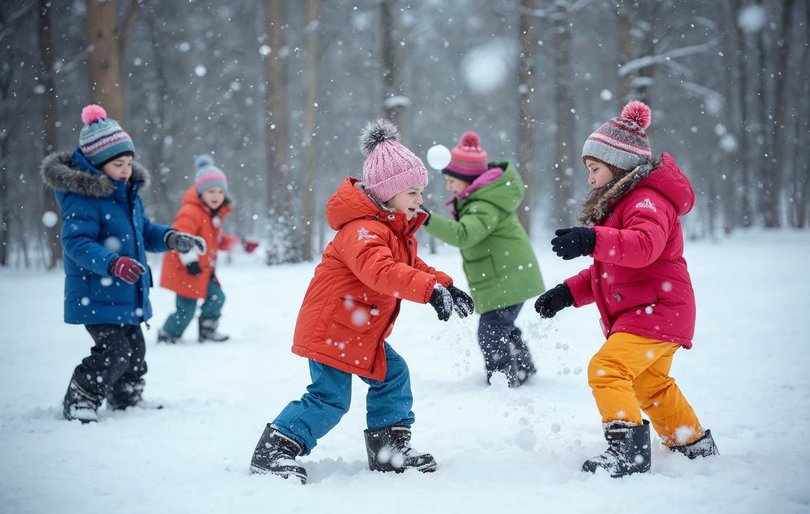
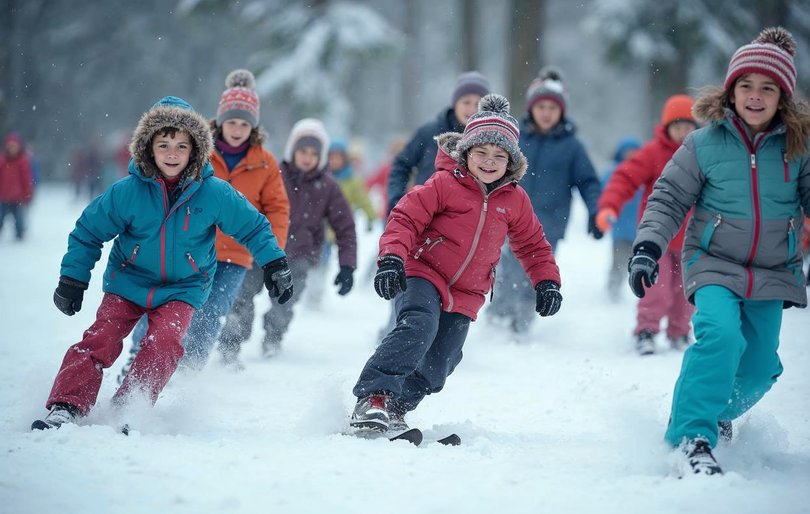
The best outdoor winter camp games use the cold and snow as part of the activity rather than working around them — relay races, snow-based team challenges, and large-group games that keep kids moving are what actually hold up in winter conditions.
- Snow relay races — teams race to complete a snow-based task (building a small snowman, filling a bucket with snow) and tag the next teammate
- Snowball target toss — set up buckets or hoops at varying distances; works for almost any group size by adding more stations
- Fox and geese — a classic snow-tag variant played on a wheel-shaped path stomped into fresh snow
- Capture the flag, winter version — same rules, but the snow terrain adds genuine strategy around visibility and movement speed
- Snow fort building contest — less a “game” than a timed team challenge, but reliably one of the most requested activities
Kids’ physical activity levels measurably drop in the colder months, according to a University of Cambridge evidence brief on children’s seasonal activity patterns. That’s the argument for leaning into outdoor games rather than defaulting to “it’s cold, let’s stay in” — with the right layers, twenty minutes of an active outdoor game does more for the day than parents usually expect.
What Are the Best Indoor Winter Camp Games for Bad-Weather Days?
The best indoor winter camp games for bad-weather days replace the physical intensity of outdoor play with fast-paced, space-efficient formats — think relay-style challenges and team puzzles rather than anything needing a full field.
- Indoor snowball toss — crumple paper into “snowballs” and toss them into hoops or baskets from a set distance
- Minute-to-win-it style challenges — short, simple physical challenges (stacking cups, balancing objects) that run in quick rotations
- Winter-themed scavenger hunt — hide clues or small objects around the indoor space, themed to match whatever the week’s activities are
- Freeze dance — genuinely low-prep, works for almost any age and group size, and burns real energy in a small footprint
- Team trivia — winter facts, camp-specific questions, or general trivia broken into small-team rounds
These are exactly the games your program needs when the weather forces the indoor backup plan our winter camp guide describes — the plan only works if you’ve actually got games ready to run, not just a decision to move inside. Swap an outdoor relay for an indoor obstacle course built from the same cones and beanbags, for instance, and campers barely notice the switch happened — same energy, same competitive setup, just moved under a roof with zero new materials to source.
How Do You Adapt Games for Mixed-Age or Large Groups?
You adapt games for mixed-age or large groups mainly by adding parallel stations rather than trying to scale one single game up to fit everyone — a relay built for eight rarely translates cleanly to thirty without splitting into smaller simultaneous versions.
For mixed ages specifically, pair older and younger campers on the same team instead of separating by age entirely; it usually produces better engagement than isolating the youngest kids in a simplified version of the same game. Group registration and scheduling data — the kind tracked through day camp registration software — can help here too, since knowing exact group sizes and age breakdowns ahead of time lets you plan station counts instead of improvising splits on the fly.
What are some fun activities for a winter camp?
Outdoor snow relays, snowball target games, and indoor scavenger hunts all work well — the right pick depends on the day’s weather and how many kids you’re running the activity for.
What are some fun games to play in the winter?
Snow-based team challenges (fort building, snowball toss) work outdoors; freeze dance, trivia, and minute-to-win-it style challenges work well indoors when weather doesn’t cooperate.
What indoor games work best for large groups?
Team trivia and station-based challenges scale best — splitting a large group into several smaller simultaneous games usually works better than trying to run one big game for everyone at once.
Do winter camp games need special equipment?
Most don’t. Paper for indoor “snowballs,” buckets or hoops for target games, and basic craft supplies cover the bulk of the list above — few require a real equipment budget.
How do you keep games safe in cold weather?
Set clear time limits on outdoor play, watch for kids getting too cold rather than waiting for complaints, and always have the indoor backup ready to go rather than deciding on it after the fact.
Conclusion
Winter camp games work best when they’re chosen deliberately for the setting and group in front of you, not pulled at random from a long mixed activity list. Build a short rotation of reliable outdoor games and an equally solid indoor backup set, and you’ll spend a lot less time scrambling when the weather changes your plans halfway through the morning. The games themselves don’t need to be complicated — they just need to fit the day you’re actually running.