




Key Takeaways
What are the “Big Three” must-haves for every trip?
Focus on a warm sleep system, a dry change of clothes specifically for bed, and plenty of water. These are the non-negotiables that prevent a short trip from becoming a cold or thirsty ordeal.
What are the safety non-negotiables for a kid’s daypack?
Every child’s pack must contain a full water bottle and a whistle. Teach them the “hug a tree” rule: if they lose sight of an adult, stay put and blow the whistle in three sharp bursts.
What is the best way to keep camping gear organized?
Use the “Outfit Bundle” method: pack a full day’s clothes (shirt, socks, underwear) into individual gallon-sized zip bags. Color-coding gear with duct tape also helps prevent mix-ups between siblings in a crowded tent.
How can I help my child feel less anxious at night?
Incorporate a “Nighttime Pouch” kept inside the sleeping bag containing a headlamp, tissues, and a familiar comfort item like a stuffed animal. This creates a sense of routine and security in an unfamiliar environment.
Packing the right camping essentials for kids is the difference between a core memory and a long, cold night in a tent. Adults can tolerate more discomfort, children have specific physiological and emotional needs, from faster heat loss to a need for a nighttime routine, that dictate a more strategic packing list.
This guide provides a comprehensive checklist to ensure your trip is a success.
What are the camping essentials for kids?
Camping essentials for kids include weather-appropriate clothing, a warm sleep system, basic hygiene supplies, safety gear, and a few familiar items for comfort and entertainment.
If you are a parent looking for a kids camping essentials list for beginners, these are the pillars of a functional pack:
- Clothing: Prioritize moisture-wicking fabrics (synthetic or wool) and make sure there is always one set to wear, one set to wash and dry, and one spare.
- Sleep System: A temp-rated bag, an insulated pad, and a familiar comfort item are the foundation of a good night’s rest.
- Hygiene: Focus on waterless basics like wipes and sanitizer to maintain cleanliness without a bathhouse.
- Safety: This includes a kid-friendly first aid kit, prescription medications, and personal light sources.
- Entertainment: Pack 2–3 compact activities such as card games, mini board games, or crafts like origami to manage downtime.
Many parents ask, “We’re camping one night, what are the true must-haves?” For a quick trip, focus on the “Big Three”: a warm sleep system, a dry change of clothes for bed, and plenty of water.
When researching what kids need for camping trips, the most common concern is temperature. You might wonder, “What do I pack if my kid gets cold at night?” Often, the answer isn’t just a thicker blanket but a high-quality sleeping pad to insulate against the frozen ground.
What should kids wear camping?
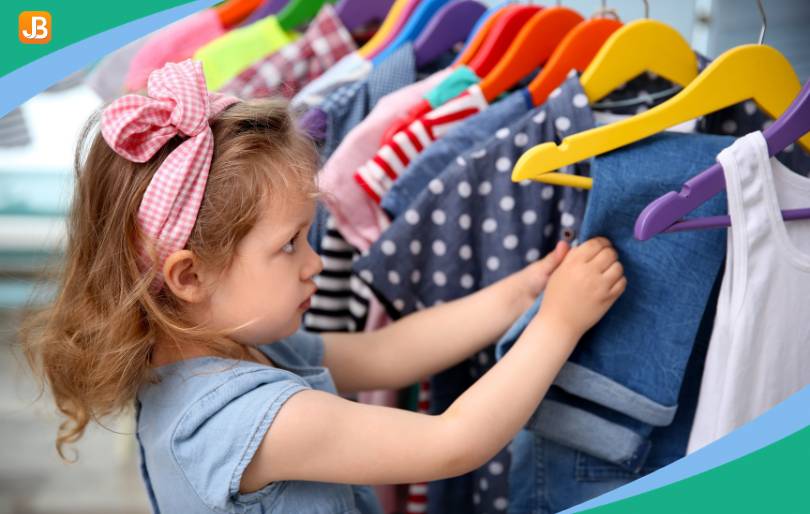
Kids should wear layered, weather-appropriate clothing that stays warm when wet, protects from sun and rain, and allows for active play. Avoid cotton, which tends to stay cold and wet; instead, choose moisture-wicking synthetics or wool blends.
- Moisture-wicking top + warm layer: Start with a breathable base and add a fleece or puffy jacket for insulation.
- Rain jacket/poncho: Essential for wind protection and unexpected downpours.
- Hat: Bring a wide-brimmed sun hat for UV protection and a knit beanie for chilly evenings.
- Hiking/play shoes + camp shoes: Sturdy boots for the trail and breathable slip-ons for relaxing around the fire.
- Extra socks: Pack significantly more than you think you’ll need to ensure feet stay dry and blister-free.
What should kids wear camping in summer?
In summer, kids should wear lightweight, light-colored, and UV-rated fabrics to stay cool and protected from the sun. While breathability is the priority during the day, remember that even summer nights can feel chilly in the woods. Always include a lightweight hoodie and long pants to protect against both mosquitoes and the evening breeze.
What to pack for kids camping in cold weather?
When camping in cold weather, pack thermal base layers, a heavy fleece or down jacket, wool socks, and a waterproof outer shell. The key is to trap body heat without allowing moisture to build up.
Temperature fluctuations also lead to a common dilemma: “Hot day, cold night, what layers do I pack?”
The best strategy is a “three-layer system”: a lightweight tee for the heat, a mid-weight fleece for the sunset, and a windproof outer shell. If “we’ll be hiking daily, how many socks are enough?” Aim for two pairs per day plus one “emergency” pair. Keeping feet dry is the easiest way to prevent complaints on the trail.
What sleeping gear do kids need for camping?
Bring a season-rated sleeping bag, an insulated sleeping pad, pajamas appropriate for night temperatures, and one comfort item from home.
- Child-sized sleeping bag: Look for a temperature rating slightly lower than the lowest expected forecast.
- Sleeping pad/air mattress: This provides the insulation needed to keep ground chill at bay.
- Camp pillow: A small compressible pillow or even a stuffed sack of soft clothes.
- Blanket: An optional fleece throw for an extra layer of warmth.
- Comfort item: A stuffed animal or favorite blanket helps as an overnight camping essential for children who may feel anxious.
What is the best sleeping bag for kids camping?
The best sleeping bag for kids camping is one that is properly sized for their height. A child’s body heat cannot effectively warm that extra air, leaving them cold. Look for bags with internal pockets for treasures and a place to keep their head warm.
How to keep kids warm in a tent?
To keep kids warm in a tent, focus on ground insulation and moisture management. Even the most expensive sleeping bag will feel cold if there isn’t a pad protecting the child from the frozen ground. If your kid wakes up cold, the quickest fix is a warm hat and a high-protein snack to jumpstart their metabolism.
Also, If your child won’t sleep in a sleeping bag, you can use a sleeping pad with a fitted sheet and a heavy quilt from home. This makes the transition to a tent feel more like their bed. Combining familiar home bedding with a high-quality camping pad keeps them insulated from the ground while still feeling secure in their usual sleep environment.
What toiletries should I pack for camping with children?
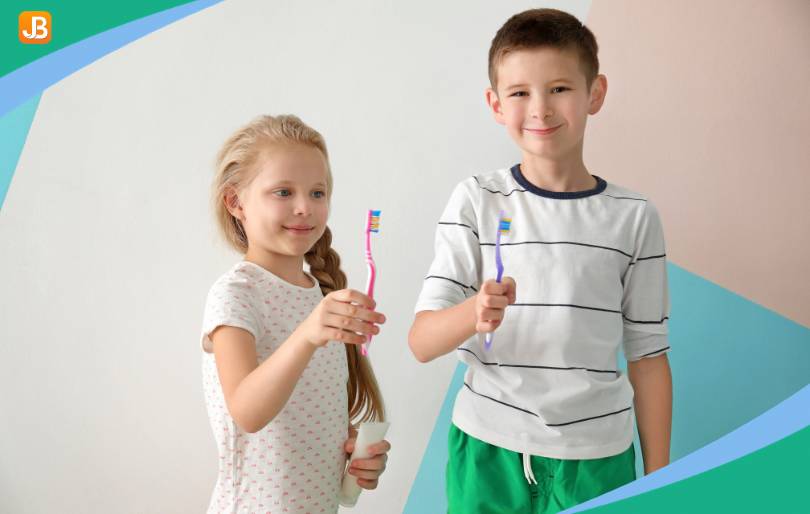
Pack simple hygiene basics, including wet wipes and hand sanitizer, for quick cleanups in environments without running water.
When considering what hygiene items to bring camping with kids, think about ease of use. A camping toiletries list for kids should be compact and kept in a waterproof bag.
Here is what hygiene items to bring camping with kids:
- Basics: Toothbrush, toothpaste, and a hairbrush.
- Washing: Biodegradable soap and a small microfiber towel.
- Sanitation: Heavy-duty wet wipes and alcohol-based hand sanitizer.
- Protection: Lip balm with SPF and high-coverage sunscreen.
- Convenience: Travel-sized tissue packs for pockets.
If there is no running water nearby, the most important hygiene essentials are wipes and a dedicated “wash station” (a jug with a spigot). The easiest way to handle dirty hands before snacks is to wipe them down quickly, then sanitize to kill germs.
What safety gear should kids have while camping?
Pack a kid-friendly first-aid kit, personal medications, a reusable water bottle, and a personal light source, such as a headlamp or flashlight.
Safety is about empowerment. Providing safety gear for kids camping helps them feel responsible. Standard camping safety tips for kids include “hug a tree” (staying put if lost) and always carrying a whistle.
- First Aid: Basic bandages, antiseptics, and blister care (moleskin).
- Medical: Prescription meds with clear instructions and allergy supplies (EpiPens).
- Hydration: A durable, reusable water bottle that they can carry themselves.
- Lighting: A small headlamp (preferable over a flashlight to keep hands free).
- Emergency Card: A card with parent’s contact info and any medical alerts.
Tip: If you are camping near water, life jackets are mandatory for your safety kit.
What to pack for camping with kids with allergies?
When packing for a child with allergies, carry a backup supply of medications (when prescribed), a clear action plan, and a labeled allergy-safe snack kit.
What camp essentials for kids should go in a daypack?
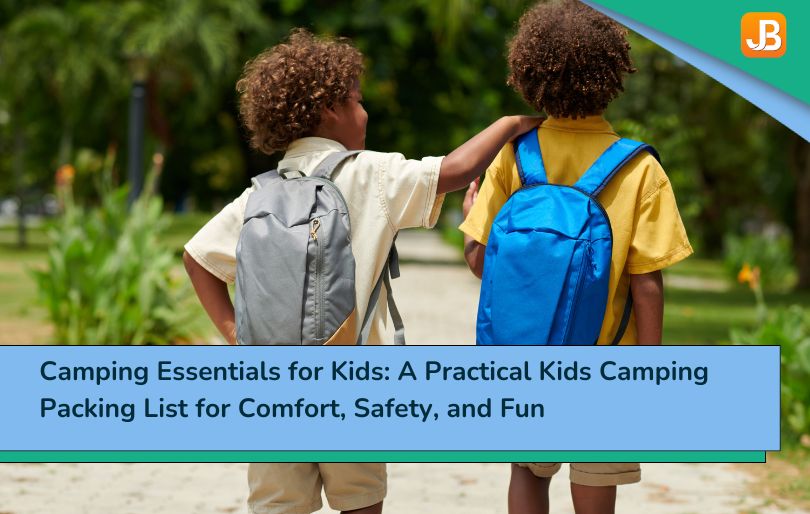
A kid’s daypack should hold a water bottle, a snack, sun and bug protection, a small light, and one extra layer of clothing.
These camp essentials for kids cover the basics for short hikes and prevent “I’m cold / I’m hungry” meltdowns.
A simple daypack checklist helps children manage their own needs during a hike and fosters a sense of independence. To prevent overpacking, aim for a daypack that stays light and comfortable, especially for younger kids. Even for a short hike, the pack must contain water and a whistle; these are the non-negotiables.
What to pack in a kid’s camping backpack?
When deciding what to pack for kids’ camping, focus on survival essentials they might need if they get separated from the group: hydration, high-energy food, a signal whistle, and weather protection.
- Snack container
- Water bottle
- Sunscreen + bug spray
- Light
- Extra layer
We’re doing a short hike, what must be in the daypack?
For a short trek, the absolute must-haves are a full water bottle and a whistle. Teach your child that if they can no longer see an adult, they should “hug a tree” and blow the whistle in three sharp bursts. Having these items physically strapped to them provides a critical safety net.
What food and snacks are best for camping with kids?
The best camping food for kids is familiar, high-energy, low-mess snacks stored in sealed containers to prevent spills and bugs.
Easy camping food for kids includes items that don’t require heavy prep. Kid-friendly camping snacks like granola bars, trail mix, and fruit pouches travel well and provide quick energy. For picky eaters, stick to familiar brands to maintain a sense of routine. To avoid messes, use reusable silicone bags that seal tightly and are easy to wash.
What are the best entertainment items for kids while camping?
Pack compact, screen-free items that work both day and night, plus at least one group game for social time.
Nature provides the playground, but camping activities for children help during rainy hours or “dinner prep” downtime.
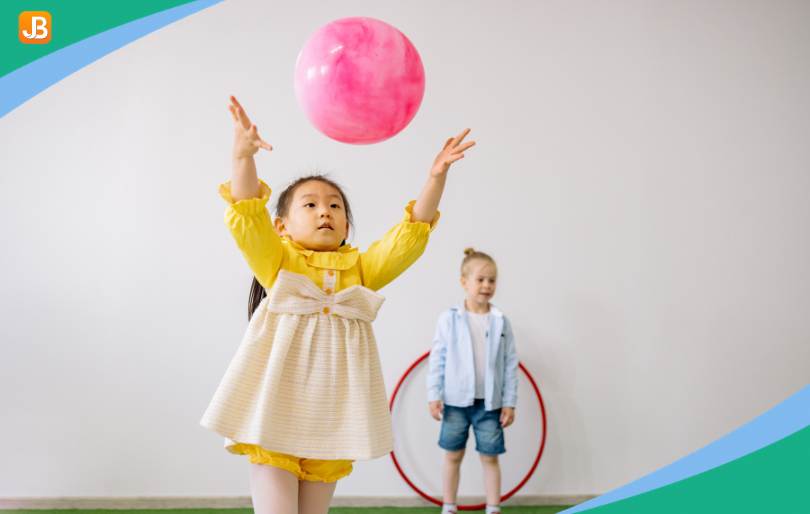
- Active gear: Frisbees, balls, or jump ropes.
- Quiet gear: Journals, sketchbooks, and crayons.
- Evening gear: Glow sticks provide hours of fun and make kids easy to spot in the dark.
What are the best screen-free camping games for kids?
The best screen-free camping games for kids are those that are lightweight and highly replayable, such as a deck of cards, travel board games, or a simple ball for “catch.”
It’s raining, what keeps kids entertained in the tent?
When it’s raining, what keeps kids entertained in the tent are low-space activities like card games, travel-sized board games, or crafts like origami.
What’s the easiest evening activity after dinner?
The easiest evening activity after dinner is a group campfire story session or a game of flashlight tag using glow sticks. Glow sticks are a parent favorite because they provide entertainment while acting as a safety tool, making it easy to keep track of every child in the dark.
How do I organize kids camping essentials so nothing gets lost?
Label everything and pack by outfit sets using zip bags, plus a separate nighttime pouch for easy access in the dark.
Once you’ve gathered your gear, the challenge shifts from what to pack to how to pack camping gear for kids so it actually stays organized. A tent can become chaotic quickly, so systems are vital. Start by placing name labels on every item to ensure that if something wanders off, it finds its way back.
Streamlining the Daily Routine
The most effective way to manage a child’s wardrobe is to use clear, gallon-sized zip-top bags for outfit sets. Each bag should contain one shirt, one pair of underwear, and one pair of socks.
Managing Shared Space and Nighttime
If you are packing for two kids, how do I prevent mix-ups? The simplest fix is color-coding. Assign each child a specific color of duct tape or baggie to make their gear instantly identifiable. To make the evenings easier, you should also consider what should be in a nighttime organization pouch? This small, dedicated bag, containing a headlamp, tissues, and a comfort item, should live inside the child’s sleeping bag.
Kids summer camp essentials vs. family camping essentials
Summer camps often require strict labeling, specific bedding for cabins, and rule-based items, while family camping is more flexible and parent-managed.
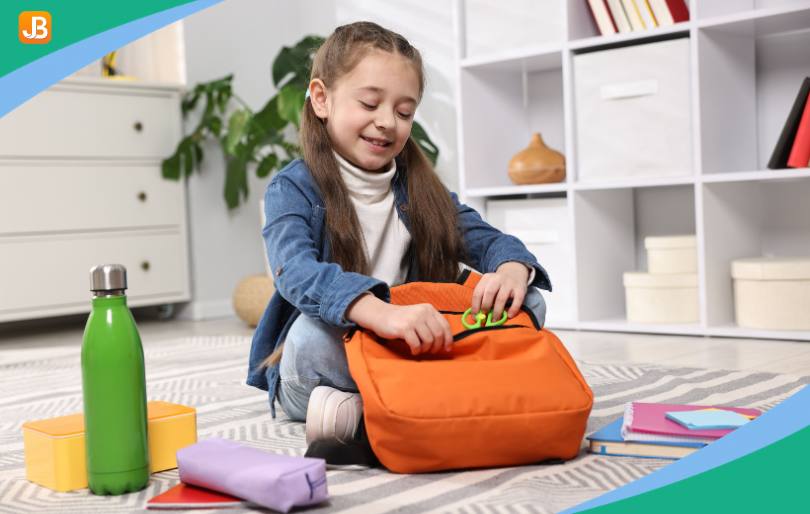
The organization strategies mentioned above become even more critical when your child is heading off on their own. While your family trip might be flexible, a kids summer camp essentials list is often a rigid requirement. You aren’t just packing for the weather; you are packing for a specific institutional schedule.
Navigating the Camp Checklist
When building your what to bring to camp checklist, always start with the official document provided by the director. However, experience shows that the camp has a packing list. What should I add anyway? Often, “quality of life” items like a battery-operated fan for stuffy cabins or pre-stamped envelopes for letters home are omitted but highly appreciated.
Strategies for Long-Term Stays
A major concern for parents is how to pack light if their child is away for a week. To save space, focus on multi-use clothing and the “rolling” packing method. Since summer camps usually provide a specific storage area, like a trunk or a cubby, packing light lets your child find their gear without creating a burden for the camp counselors who have to help them tidy up.
The Unifying Camp Challenge: Logistics and Support
When packing instructions are unclear, parents arrive unprepared, and staff spend time troubleshooting missing items instead of running programs.
How Camp Registration Software Supports Smoother Prep
For family trips, the organization stays within the household. At scale, as in summer camps, those same packing challenges multiply.
Bridging this gap requires a partnership between prepared families and organized camp leadership. This is where a camp registration software such as Jumbula changes the game:
- Session-Specific Lists: Parents get custom checklists tailored to their specific activity (e.g., horse camp vs. lake camp).
- Automated Reminders: Timely “don’t forget the extra socks” notifications 48 hours before the start date.
- Digital Preparedness: Instant access to medical alerts and waivers, ensuring staff are informed even if a paper card is lost.
By using organized systems, camp directors ensure families arrive prepared, leading to a better experience for the children and a smoother operation for the staff.