




Key Takeaways
What is the secret to handling picky eaters without cooking separate meals?
Use “Build-Your-Own” stations. Set up taco bars, wrap stations, or pita-pizza stations where the base is the same but the toppings vary. This gives kids autonomy, keeps the meal flexible, and drastically reduces mealtime conflict.
What is the best hack to minimize cleanup at the campsite?
Embrace the foil packet. They keep portions contained, meaning you don’t have to scrub pots or pans. You can cook protein, starch, and veggies all in one wrap over the campfire grate.
As a camp organizer, how do I prevent allergy mix-ups during group meals?
Centralize your data. Collect all dietary notes and allergies during registration and keep them in one shared location (like a registration software). This ensures the kitchen or counseling staff always has the “source of truth” right at their fingertips.
What’s the absolute golden rule for food safety while camping?
Keep it cool and keep it clean. Minimize how often you open the cooler to keep internal temperatures low, and enforce a “hand sanitizer before every single snack” rule. It’s the easiest way to prevent illness without needing a full-scale wash-up station.
Easy camping meals for kids are often the difference between a smooth trip and constant mealtime stress. Feeding children outdoors means working with limited gear, quick cleanup, picky eaters, allergies, and tight schedules, all at once. Without a clear plan, meals can slow the day down and frustrate both kids and adults.
This guide presents practical ideas organized by real camping scenarios, along with a simple planning system that helps families and camps prepare balanced, efficient, and easy-to-manage meals.
You’ll also find options for kid friendly camping meals, including kids camping food that works for hot days, campfires, and picky eaters.
What counts as “easy camping meals for kids” and what doesn’t?
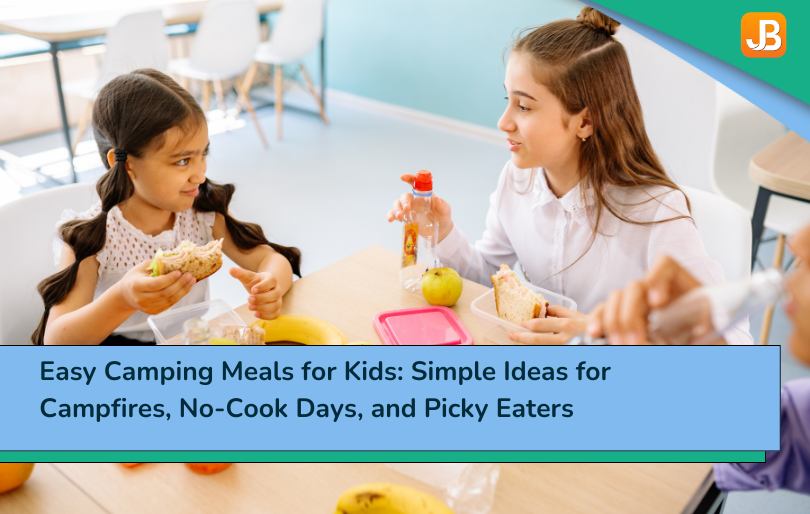
The camping meals that work best for children are the ones that cook quickly, create minimal mess, and match both your available gear and your child’s preferences. These easy camping meals for kids use familiar ingredients, assemble fast, and adapt smoothly whether you’re cooking over a fire, using a small stove, or relying on a cooler. The goal is consistency: meals that can be repeated without extra effort and still satisfy a group.
Well-designed kid-friendly camping meals prioritize efficiency and flexibility. They allow easy swaps for picky eaters and avoid complicated prep or multi-step cooking. For families and camps alike, this approach keeps service moving and prevents mealtime bottlenecks.
Key features of easy camping meals for kids:
- Minimal ingredients and short cook time
- Easy cleanup using foil, one-pan cooking, or pre-portioned servings
- Flexible formats that suit picky eaters
Meals outside this category tend to create friction. Recipes that require multiple pots, long prep windows, or tight timing slow routines and increase cleanup. When camping food for kids is unfamiliar or overly complex, children often refuse it, which leads to wasted food and extra work.
Clear boundaries around what qualifies as easy camping meals for kids help ensure that both meals and camping snacks for kids support the trip instead of competing with it.
What should kids eat while camping?
Children should eat balanced meals while camping that include protein, carbohydrates, and fruit or vegetables at each meal. This structure supports steady energy and turns meal planning into a repeatable template, making it easier to organize easy camping meals for kids, families, and groups. Familiar foods also reduce hesitation at mealtime and keep serving efficient in busy camp settings.
The table below provides a compact planning template that blends reliable defaults with simple upgrades, helping families and camps plan camping meals for kids without unnecessary prep.
| Meal moment | Easy default (fast setup) | Upgrade option (still low effort) | Practical notes |
| Breakfast | yogurt + granola + fruit | pancakes/griddle breakfast | Pre-portion yogurt and toppings to speed up mornings |
| Lunch | wraps/sandwiches | quesadillas / foil melts | Keep fillings separate so kids can assemble their own meals |
| Dinner | foil packets / one-pot pasta | campfire pizzas | Prep ingredients at home and group them by meal |
| Snacks | fruit pouches + trail mix | popcorn, DIY snack boxes | Pack grab-and-go bins to limit cooler searching |
Following this template keeps kids’ camping meals organized, reduces last-minute decisions, and supports Quick, easy camping meals for family trips by turning planning into a system you can reuse on every outing.
Easy camping meals for kids, no-cook
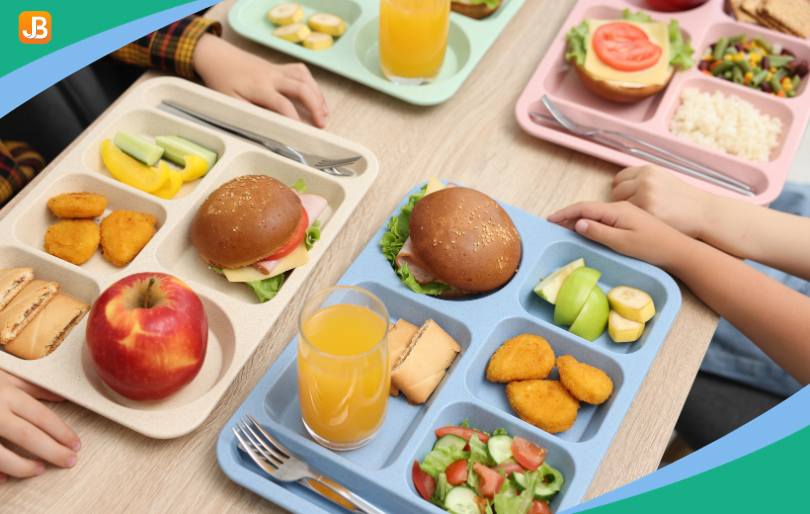
No-cook camping meals for kids rely on cooler-safe foods that assemble quickly and stay safe to eat without heat. These meals stay practical on hot days or when cooking gear is limited. Balanced combinations of protein, carbohydrates, and produce help meals stay filling while remaining simple to serve.
No-cook meal ideas
Meals in this category focus on assembly rather than cooking. Each option uses familiar ingredients that travel well in a cooler and can be portioned ahead of time, keeping service fast and reducing cleanup.
- Sandwiches and wraps
- Yogurt cups with toppings
- Hummus with crackers
- Protein packs with fruit
- DIY snack boxes
Additional cooler-friendly items, such as cheese sticks, nut butter with rice cakes, pre-cut vegetables with dip, and cold pasta salad,s add variety without extra cooking. Shelf-stable options like pretzels, crackers, and dry mixes also function as camping snacks for kids that resist melting and travel well.
Grouping these foods by meal and storing them in grab-and-go containers keeps camping food for kids organized and ready to serve, no matter where you are.
Campfire meals for kids
Campfire cooking favors meals that heat quickly, stay contained, and require minimal cleanup. The most reliable campfire meals for kids use simple formats that work on a small fire or grill, allowing food to be served promptly without extra dishes. Foil packets, melts, and handheld items keep preparation controlled and make campfire food for kids easier to manage in busy settings.
Foil packet meals
Foil packets cook complete portions in a sealed wrap, reducing dishes and keeping flavors contained. Ingredients with similar cook times, such as chicken with vegetables, potatoes with cheese, or sausage with peppers, heat evenly and simplify serving.
Place packets over steady coals or on a fire grate, supervise closely, and label portions to prevent mix-ups. This method produces easy campfire meals for kids that stay balanced, portable, and practical for small camp setups.
If you want easy campfire meals for kids that aren’t hot dogs, start with quesadillas in foil, campfire pizzas, grilled cheese melts, or simple foil packet combos.
Quick campfire classics
Classic campfire options rely on fast assembly and short cook times, and several alternatives replace hot dogs without adding complexity. Quesadillas, mini pizzas, and grilled melts use the same fire setup while offering familiar flavors that many children prefer. Handheld formats keep food contained, and wrapping items in foil or cooking on a compact grill limits spills and cleanup. A small range of pre-portioned fillings adds variety while keeping kid-friendly campfire meals organized and easy to manage.
- Hot dogs with a topping bar
- Quesadillas in foil
- Campfire pizzas on English muffins or pita
- Grilled cheese-style melts
One-pot and skillet camping meals for families
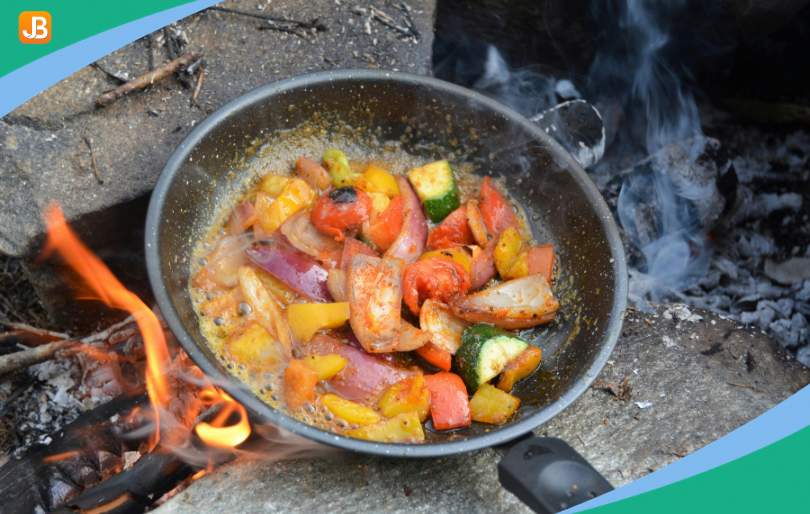
One-pot and skillet meals simplify camp cooking by keeping everything in a single pan, reducing cleanup and shortening prep time. This approach makes easy, kid-friendly camping meals practical for families because portions scale easily and ingredients stay contained. Warm, filling dishes prepared in one vessel also help maintain consistent meal timing in busy camp settings.
Easy kid-friendly camping meals
One-pan dishes center on familiar staples that cook quickly and take simple add-ins, such as pre-cut vegetables or ready-made proteins. Each option below feeds a group efficiently while keeping equipment and cleanup minimal.
- Mac and cheese
- Simple pasta with sauce
- Chili or stew
- Breakfast hash
- Stir-fry with pre-cut vegetables
These meals work especially well after late arrivals, when quick cooking helps prevent delays and reduce fatigue. They also support a deliberate lazy-camping food strategy that repeats ingredients across meals rather than cooking from scratch each time.
A typical two-night trip might start with chili or pasta on the first evening, shift to breakfast hash the next morning, and finish with mac and cheese or stir-fry for the second dinner. This rotation keeps kids’ camping meals predictable while limiting extra prep.
Easy camping meals for picky eaters
Meals for selective eaters stay manageable when children can control how their food is assembled. The most dependable Easy camping meals for picky eaters use build-your-own formats that separate ingredients instead of mixing everything together. This setup keeps meals flexible, avoids cooking separate dishes, and supports kid-friendly camping meals in group settings.
These are also easy kid friendly camping meals because the same base ingredients work for multiple kids without cooking separate plates.
Build-it meals that let kids assemble their own plates
Build-it meals center on shared components that children combine themselves. This structure keeps food familiar while allowing variety across the table and reduces resistance to new ingredients.
- Taco bowls
- Wrap bar
- Personal pizzas
- Parfait cups
- Hot dog topping bar
Children who avoid unfamiliar foods can rely on simple base ingredients, while others experiment with toppings. Packing dependable staples like plain pasta, tortillas, cereal, cheese, or yogurt ensures kids’ camping food stays filling and recognizable. Optional add-ins expand choices without increasing preparation time.
This method turns kids’ camping meals into predictable routines that reduce conflict and waste. Variety remains available, but the structure keeps serving organized and pressure low.
Easy camping meals for kids are healthy
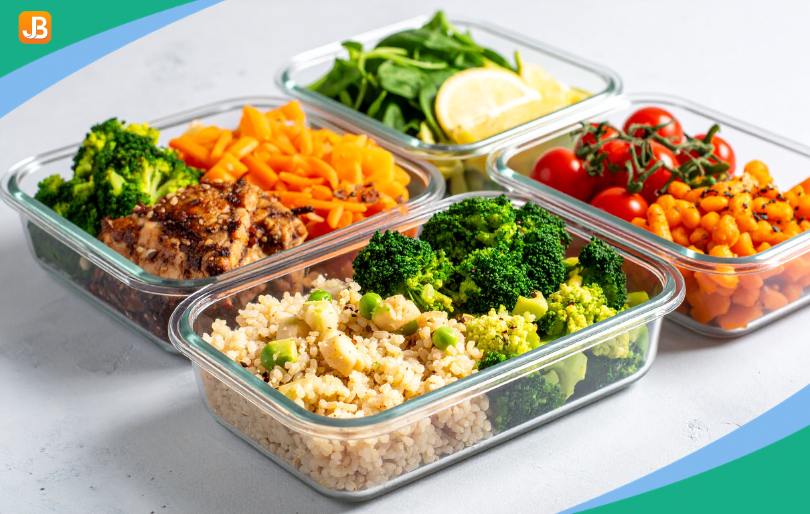
Nutritious camp meals come from small upgrades to foods children already eat, rather than complete menu changes. Easy camping meals for kids healthy focus on adding one fruit or vegetable and one protein to familiar bases, so nutrition improves without increasing prep. This method keeps meals practical while supporting steady energy during active days.
Quick, healthy add-ons that travel well
Healthy add-ons should be ready-to-eat, cooler-safe, and easy to portion. These items raise nutritional value without adding cooking steps or extra cleanup.
- Fruit cups, berries, or apples
- Veggie sticks with dip
- Eggs, cheese sticks, or yogurt
- Beans, hummus, tuna, or chicken packets
Balancing sweet foods with protein or fiber prevents energy crashes and keeps meals satisfying. Pairing granola bars with yogurt, serving fruit snacks alongside cheese, or adding beans to wraps strengthens overall nutrition while staying realistic for camp routines. This approach supports camping food ideas for kids that feel familiar, filling, and sustainable across multiple days.
Easy camping meals for kids on a budget
Keeping costs under control starts with repeating a small group of versatile staples across multiple meals. Easy camping meals for kids on a budget rely on shared ingredients — bread, pasta, rice, fruit, vegetables, and simple proteins — that stretch across breakfasts, lunches, dinners, and snacks. Reusing the same base foods reduces waste, simplifies shopping, and keeps meals realistic for larger groups.
A practical 3-step budget meal plan
A simple framework makes low-cost planning easier and more predictable:
- Pick 3 base carbohydrates (such as pasta, rice, bread, or wraps)
- Pick 3 proteins (beans, eggs, cheese, or chicken)
- Pick 3 fruits or vegetables that work across meals
Rotating combinations from this short list creates variety without expanding the grocery bill. Cooking pasta once and serving it hot for dinner, then cold as pasta salad the next day, or folding it into wraps is one example. Extra rice moves easily into bowls, stir-fries, or breakfast hash. This strategy keeps camp food for kids filling while limiting extra purchases.
For a weekend trip, choose meals that intentionally share components so nothing goes to waste in the cooler. Sandwich bread shifts between toast, wraps, and grilled melts. Fruit doubles as breakfast sides and snacks, and beans or eggs provide affordable protein across multiple meals. These choices turn camping meals for kids into repeatable systems that stay economical without sacrificing variety.
Camping food safety for kids
Safe meal handling during camping depends on disciplined cold storage, clean hands, and clearly organized portions. Consistent routines protect food quality, prevent allergy mix-ups, and keep camping food for kids safe to serve in group settings. Simple safety habits also make meal service more predictable for parents and camp staff.
Cooler and hygiene essentials for safe food handling
Food safety starts with temperature control and sanitation. Keeping systems simple reduces mistakes and limits contamination.
- Keep perishables cold by minimizing the cooler’s opening time and sealing it tightly after each use
- Encourage handwashing or sanitizer use before meals
- Store food securely away from wildlife
These practices keep kids’ camping food protected while reducing spills and exposure, even during busy camp routines.
Allergy-aware camping meals for group settings
Managing allergies requires clear separation and labeling. Individual portions prevent confusion and speed up distribution.
- Pack clearly labeled personal servings
- Avoid cross-contact by using separate utensils and prep surfaces
Pre-portioned wraps, snack packs, and foil meals work well for groups because they keep kid-friendly camping meals organized and accessible. This structure allows children with allergies to eat confidently without interrupting meal flow.
How can camp organizers simplify meal planning and parent communication?
Camp organizers simplify meal planning by collecting dietary details during registration and storing menus in a single shared location. Centralizing this information reduces confusion, prevents allergy mix-ups, and keeps parents consistently informed. When food records and communication live in the same system, staff spend less time chasing paperwork and more time supervising children and daily activities.

Tools that support organized camp meal planning
Digital registration systems help camps manage food logistics at scale. A platform such as Jumbula is one example of software that supports this workflow by allowing teams to:
- Collect allergies, dietary restrictions, and permissions in one form
- Centralize emergency and contact information
- Send menu updates and reminders to parents
- Track add-on fees such as meal plans and snack packs
These practices keep camp food for kids organized and visible to staff while ensuring parents receive consistent updates.
Handling common coordination challenges
Centralized records make group allergy management more reliable because staff can quickly verify each child’s needs. Automated menu messages cut down on last-minute emails and keep everyone on the same page. Camps that use shared systems for food tracking reduce administrative errors and maintain steady routines during meal service.
Wrap Up
Easy camping meals for kids depend on clear planning systems that keep food predictable, balanced, and manageable in outdoor settings. No-cook options, build-your-own formats for selective eaters, quick campfire dishes, and one-pot dinners provide a practical structure that supports camping meals for kids across different situations.
Repeating core ingredients improves efficiency and controls costs, while fruit, vegetables, and protein add nutritional balance. Safe storage and allergy labeling protect camping snacks for kids and group meals. Camps that collect dietary information through a camp registration software such as Jumbula can centralize menus, allergy notes, and parent communication in one place.
When meals follow simple, repeatable frameworks, outdoor cooking stays organized and consistent for both children and staff.
FAQ
What are easy camping meals for kids?
They are low-prep, familiar foods that cook or assemble quickly and require minimal cleanup. Wraps, pasta, fruit, and foil packet meals travel well and scale easily for families or groups.
What are the best no-cook camping meals for kids?
Cooler-safe foods such as yogurt cups, bagels, hummus with crackers, fruit packs, and DIY snack boxes provide filling meals without heat. Pre-portioning these items speeds up serving and keeps food organized.
What are good camping snacks for kids?
Trail mix, granola bars, fruit pouches, cheese sticks, and roasted nuts deliver steady energy and pack easily. Combining sweet snacks with protein helps maintain balanced energy levels.
What are easy campfire meals for kids?
Foil packets, quesadillas, mini campfire pizzas, grilled cheese melts, and simple hot-dog setups cook quickly and minimize cleanup. Handheld formats make serving safer and more manageable.
How do I handle picky eaters while camping?
Build-your-own meals with familiar bases let children choose their ingredients without needing separate dishes. Keeping a few dependable staples available reduces resistance and food waste.
What foods are best to take camping?
Versatile staples such as bread, pasta, rice, fruit, vegetables, cheese, eggs, and simple proteins support multiple meals and reduce waste. Repeating ingredients across meals keeps packing efficient and meals filling.