




Key Takeaways
Why must teen activities differ from those for younger campers?
Teenagers require more autonomy, challenge, and social relevance; they disengage quickly when activities feel childish or overly controlled.
How should outdoor adventures be structured for this age group?
Camps should shift from “one-time” experiences to skill-building expeditions where teens handle real responsibilities like navigation, gear management, and group pacing.
How can creative arts engage high school-aged campers?
By moving away from step-by-step crafts and toward open-ended projects—like music production or digital media—that give teens full control over the final result.
How do evening programs support social connection?
The best social activities are low-pressure and often camper-led (like talent shows or campfire talks), providing a space for conversation without the stress of performing.
The most effective summer camp activities for teens focus on independence, skill-building, and peer connection. Programs that give teens real responsibility and clear outcomes usually see stronger participation and better group buy-in.
Teenagers expect more autonomy, challenge, and social relevance than younger campers. When activities feel childish or overly controlled, they often disengage quickly.
This guide explains which summer camp activities work best for teens, including outdoor adventure, leadership roles, creative arts, STEM programs, and social evening activities, and how thoughtful planning helps camps keep participation strong.
What Are Summer Camp Activities for Teens and Why Are They Different?
Summer camp activities for teens are structured experiences designed for adolescents that emphasize choice, collaboration, and real-world relevance rather than simple games or constant instruction. These activities are built to reflect how teens learn, socialize, and stay motivated.
Teen camps differ from kids’ camps because teenagers are developing independence, decision-making skills, identity, and stronger peer relationships. Younger campers usually need more direct guidance and simpler group structure, while teens respond better to choice, responsibility, and activities that feel relevant to real life.
Activities that work best for teens at camp are project- and challenge-based. Common examples include leadership initiatives, outdoor expeditions, creative production, and skill-focused workshops. Planning and leading a hike, mentoring younger campers, producing a short film, or coordinating a team challenge all require participation, accountability, and follow-through, making them well-suited to teen programs.
Outdoor Adventure Summer Camp Activities for Teens
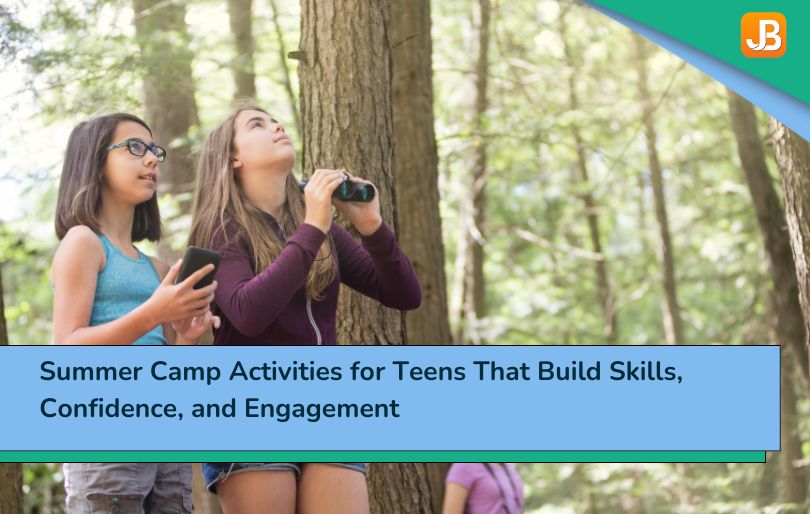
Outdoor activities that keep teens engaged at camp are those that give them real responsibility in a challenging setting, such as planning, problem-solving, and working as a team during outdoor adventures.
Adventure camps are suitable for teenagers because challenge and independence are built into the experience. Teens stay engaged when staff provides safety oversight while campers handle age-appropriate decisions such as:
- planning daily routes and pacing during extended hikes
- managing shared gear and supplies on overnight trips
- coordinating group roles during climbing or paddling sessions
Instead of offering many separate activities, strong programs rely on a few core outdoor experiences that allow skills to develop over time. A multi-day hiking program, for example, gives teens repeated exposure to navigation, pacing, and group coordination rather than treating the experience as a one-time challenge. Clear roles and short post-activity check-ins reinforce learning without interrupting the program’s flow.
Leadership and Team-Building Summer Camp Activities for Teenagers
Leadership activities teach teens communication, accountability, and decision-making. These skills transfer directly to school, work, and community settings.
Camps teach leadership through summer camp activities for teens that assign real responsibility during daily programs. Teens may mentor younger campers, lead small groups, or manage specific parts of an activity while staff oversee safety and structure.
Camps often build leadership through counselor-in-training programs, peer mentoring rotations, and camper-led sessions. In these formats, teens practice organizing tasks, guiding peers, and following through on shared goals.
Team-building activities designed for teenagers require cooperation and shared ownership. Examples include coordinating a group challenge, completing a service project, or solving a task that depends on input from every participant.
Effective team-building activities share three traits:
- A shared goal that requires cooperation
- Defined roles with clear accountability
- Guided reflection on what worked and what to improve
When leadership activities are designed as fun summer camp activities for teens, confidence and group cohesion increase. Structured responsibility helps teens build leadership skills while maintaining clear expectations and support.
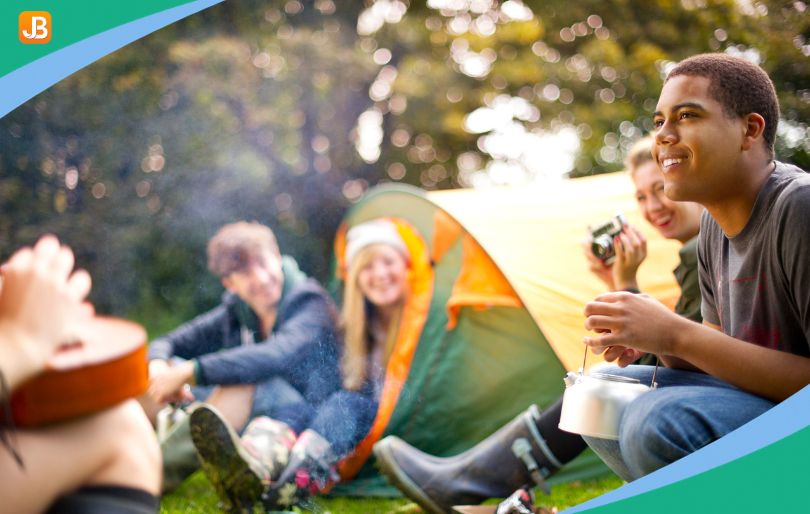
Creative Arts Summer Camp Activities for Teens
Creative summer camp activities for teens include music production, theater performance, visual arts, and digital media projects. These activities engage high school campers by allowing them to create original work and share a finished outcome.
Teens enjoy arts camps when they control the creative process from start to finish. Recording a song, staging a performance, assembling a visual portfolio, or publishing digital content gives teens ownership and a clear sense of accomplishment.
Creative arts programs help teens develop:
- Self-expression through creative decision-making
- Collaboration through group projects and peer feedback
- Confidence through presenting work or participating in a critique
To maintain engagement, programs should avoid step-by-step crafts or preset designs. Open-ended projects respect teen maturity and encourage independent thinking.
When creative programs are designed as fun summer camp activities for teens, they support identity exploration while keeping teens motivated and invested.
STEM and Skill-Building Summer Camp Activities for Teens
STEM-focused summer camp activities for teens include coding projects, robotics builds, engineering challenges, and entrepreneurship labs. These activities engage teens by requiring planning, testing, and producing a working result.
STEM camps are good for teens when learning is tied to real problems and practical tools. Programs that mirror real work environments help teens see the purpose behind what they are building and learning.
Common teen summer camp activities in this category help teens develop:
- Critical thinking through structured problem-solving
- Confidence through mastering technical skills
- Career awareness through applied, real-world learning
Skill-building programs are most effective when experimentation is encouraged. Allowing teens to test ideas, make mistakes, and improve their work through iteration keeps them motivated and invested.
While STEM activities build future-ready skills, many teens value social connection alongside technical learning during camp.
Social and Evening Summer Camp Activities for Teen Connection
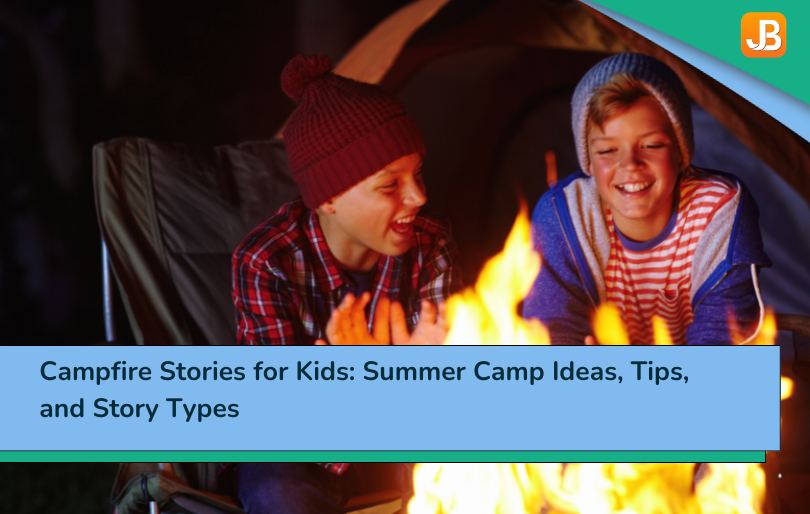
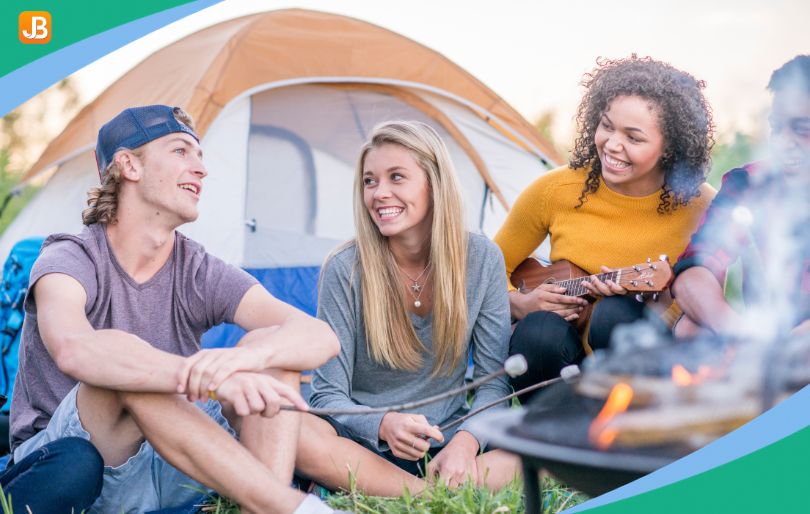
Teen-friendly evening programs include campfire discussions, camper-led talent showcases, and group challenges or themed nights. These activities create space for conversation, collaboration, and relaxed social interaction.
Teens form friendships through shared, low-pressure experiences. Social-focused summer camp activities for teens are especially effective in the evening, when teens can connect without the pressure of structured performance expectations.
Evening programs benefit from optional participation and light facilitation. Clear boundaries and visible staff presence help teens feel comfortable without feeling controlled.
Common evening activities include:
- Campfire discussions with optional participation and simple prompts
- Talent showcases planned, organized, and hosted by campers
- Group challenges or themed nights that encourage teamwork and informal interaction
Safe, inclusive design supports social connection. Clear expectations, consistent norms, and respectful facilitation help teens feel included.
Strong evening programming strengthens peer relationships. When teens feel socially connected, participation and cooperation during daytime activities increase.
How to Plan Effective Summer Camp Activities for Teens
Camps organize teen activities efficiently through clear scheduling, structured sign-ups, capacity limits, and consistent communication. Teen programs need flexibility, but they also depend on predictable systems so staff can manage choices, group movement, and expectations without confusion.
Operational issues often appear when schedules are updated in multiple places, activities fill unevenly, or information reaches families late. These gaps create confusion and reduce participation.
Effective planning for fun summer camp activities for teens typically includes:
- Centralizing schedules and activity information
Keeping times, locations, and descriptions in one place helps staff, teens, and families stay aligned. - Using clear sign-ups and capacity limits
Defined enrollment rules prevent overcrowding and help teens commit to activities they choose. - Maintaining consistent communication
Shared updates reduce last-minute questions and missed changes.
Camps manage teen programming more smoothly when sign-ups, schedules, and forms follow one consistent process. Some camps use registration software such as Jumbula to manage sign-ups, forms, and updates in the same workflow, which helps reduce missed information and last-minute confusion.
When logistics are organized, staff can spend more time facilitating activities and less time resolving avoidable issues.
Conclusion: Designing Summer Camp Activities That Truly Engage Teens
Designing summer camp activities for teens is less about finding the “right” activity and more about how experiences are delivered throughout the camp day and week. When activities are connected, expectations stay consistent, and teens understand their role within the program, participation becomes steadier and more self-directed.
Across outdoor adventures, leadership roles, creative projects, STEM challenges, and social programs, the common thread is follow-through. Teens respond when activities ask them to do something, build over time, and feel relevant to the group they are part of.
Supporting that experience requires coordination behind the scenes. When planning and organization are handled smoothly, staff can focus on facilitation rather than troubleshooting, and teens can focus on showing up, contributing, and staying involved.
Well-run teen programs don’t rely on constant novelty. They succeed by creating cohesive, manageable experiences, supported by camp registration software such as Jumbula that handles scheduling, sign-ups, and communication in the background.
FAQ
What are fun summer camp activities for teens?
Fun teen activities combine choice, challenge, and social connection. Strong options include outdoor adventures, creative projects, leadership roles, and group-based evening programs.
How do camps keep teenagers engaged?
Camps keep teens engaged by giving them responsibility, allowing skill progression, and connecting activities to real-world interests and outcomes.
What activities help teens build skills?
Leadership roles, STEM projects, creative arts programs, and outdoor adventure activities help teens build transferable skills.
Are overnight camps better for teenagers?
Overnight camps can support independence and social bonding, but the quality of programming matters more than whether a camp is overnight or day-based.