





Key Takeaways
What Are Popular Summer Camp Ideas for Kids?
Summer camp ideas for kids typically include outdoor games, arts and crafts, STEM activities, team-building challenges, and themed events that balance fun, learning, and social interaction.
How Do You Choose the Right Summer Camp Activities for Different Ages?
Use age-appropriate activities, younger kids benefit from simple crafts and active games, while older campers enjoy leadership challenges, sports, STEM projects, and creative workshops.
Why Are Creative and Team Activities Important at Summer Camp?
They help build confidence, social skills, collaboration, and independence while keeping campers engaged through hands-on experiences and shared group goals.
How Can Camps Keep Activities Organized and Effective?
Structured planning, clear schedules, and digital tools for registration, communication, and attendance tracking help camps manage activities efficiently and improve the overall camper experience.
Planning a great camp day takes the right mix of activities, staff, space, and a simple plan that still works when things change. An effective summer camp strategy balances lively movement with meaningful learning and necessary downtime.
Below are summer camp ideas you can mix and match, with backup options for weather and energy levels.
This guide provides a comprehensive breakdown of summer camp ideas for kids, categorized by setting, age appropriateness, and developmental goals. From indoor rainy-day backups to structured STEM challenges, use these frameworks to build a summer schedule that families will love.
What Are the Best Summer Camp Ideas for Kids?
The best summer camp ideas for kids are easy to run, age-appropriate, and balanced across movement, creativity, learning, and calm-down time. Success lies in stacking activities so that a high-energy game is followed by a lower-intensity craft or quiet reflection.
A Quick Choosing Activities Guide for Summer Camp
While every camp follows a distinct type of activity planning, there is a certain structure that can benefit most summer camps:
| Activity Type | Best for Ages | Time Needed | Supplies Level |
| High-Energy | 5–12 | 30–60 min | Low (Balls, cones) |
| Low-Prep Filler | 3–12 | 10–15 min | None (Movement-based) |
| Quiet Reset | 3–8 | 20 min | Low (Books, mats) |
| Rainy Day | 4–12 | 45+ min | Medium (Indoor kits) |
| Team-Building | 7–12 | 30 min | Low (Paper, tape) |
| STEM Learning | 6–12 | 60 min | High (Recyclables, kits) |
Indoor Summer Camp Activity Ideas (Rainy-day and Limited Space)
Indoor activities work best when they use stations, short rounds, and space-safe movement games. When heat waves or rain showers force a group inside, the key is to prevent boredom through maintaining a sense of structure.
Low-prep Indoor Stations (Rotation Model)
Using a rotation model allows you to manage larger groups in smaller physical footprints. Break your campers into squads and rotate them through these stations every 20 minutes:
- Relay-Style Movement: Even in a hallway or gym, you can run “Crab Walk” or “Bear Crawl” relays. These require zero gear and burn off excess energy safely.
- Balloon Challenges: Use balloons for “Keepy Uppy” or balloon volleyball.
- Classroom Scavenger Hunts: Create a list of 10 items hidden in plain sight (e.g., “something blue,” “something that starts with the letter B”). This encourages focus and quiet movement.
Quick tip: For kids summer camp ideas indoors, always have a “Go-Bag” of masking tape. You can use it to create indoor hopscotch, four-square courts, or laser mazes in a hallway.
Outdoor and Nature-based Summer Camp Ideas
Outdoor activities keep engagement high when they combine free play with structured games and simple nature exploration. The outdoors is the heart of the camp experience, providing the required space for boundless movement.
Water and Hot-weather Outdoor Games
When temperatures rise, water-based summer camp ideas for elementary students are essential for safety and fun:
- Sponge Relays: Instead of water balloons, which leave plastic trash, use larger car-wash sponges. Kids must soak the sponge, run to a bucket, and squeeze it out. The first team to fill their bucket wins.
- Sprinkler Challenges: Set up a sprinkler with zones. Give kids specific tasks to complete while passing through the water, such as balancing a plastic egg on a spoon.
Nature Exploration Ideas That Feel Like Adventure
Turn a simple walk into a mission.
- Nature Scavenger Hunts: Provide children with a checklist of local flora and fauna. For summer camp ideas for preschoolers, use visual pictures (a leaf, a rock, a yellow flower).
- Observation Walks: Have campers find objects to create a nature museum back at base camp. This builds a sense of ownership and curiosity about their environment.
Creative Arts and Crafts Camp Ideas
Camp crafts work best when kids can personalize the result and take it home. Avoid crafts in which every child’s project looks identical; instead, provide a prompt and let them choose how to execute it.
Themed Craft Days
Themed craft days are easy to repeat and give kids something personal to take home. There are many ideas to try:
- Nature Collages: Use the items found during nature walks to create leaf prints or stone art.
- Team Banners: On the first day, have each cabin or group design a banner using fabric markers and a plain sheet. This fosters immediate group identity.
- DIY Props: If your camp has a talent show or skit night, dedicate craft time to mask-making or cardboard shield construction.
STEM and Educational Summer Camp Ideas
STEM camp ideas are most successful when they feel like play, hands-on experiments, and building challenges rather than school worksheets. The goal is to learn through play: kids solve problems and test ideas without it feeling like a worksheet.
Simple STEM Activities for Summer Camps
- Engineering Builds: Use clean trash such as cardboard, plastic bottles, or straws to build the tallest tower or a bridge that can hold a toy car.
- Safe Science: The classic vinegar and baking soda volcano never fails, but you can level it up with “Oobleck” (cornstarch and water) to teach kids about non-Newtonian fluids.
- Beginner Coding Logic: Use Human Robot games. One child serves as the programmer and must issue specific, step-by-step verbal commands to the robot child to navigate an obstacle course.
Summer Camp Theme Week Ideas
Theme weeks make planning easier because the same core activities can be remixed across games, crafts, and learning blocks.
Popular Theme Week Examples
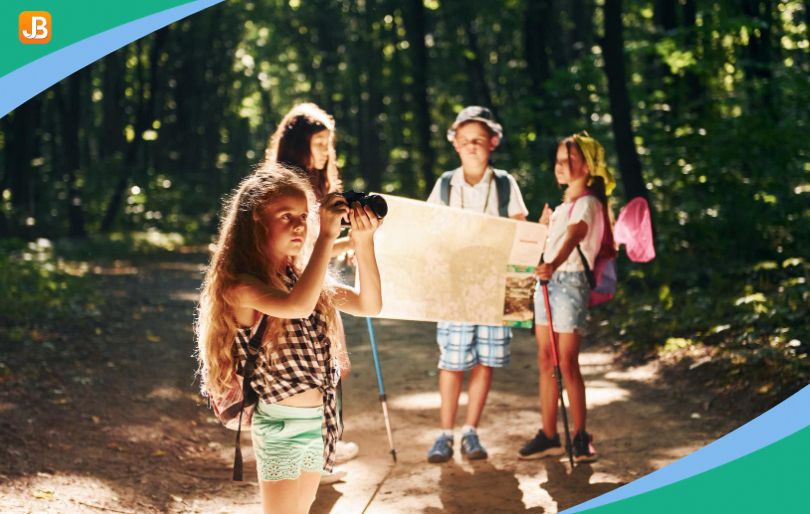
- Adventure / Explorers: map-making craft + nature mission scavenger hunt + “campfire” storytelling circle
- Color Wars: daily relay rotation + team banner craft + points-based cooperative challenge
- Kindness / Service Week: thank-you cards craft + team clean-up mission + reflection circle prompts
- Storybook Week: character relay game + DIY props craft + cabin skit performance
Team-building Games and Group Activities for Camp
Team-building activities help new campers connect quickly, reduce behavior issues, and improve participation. These are most critical during the first 48 hours of a camp session.
First-day Icebreakers
- Human Bingo: Create a 5×5 grid with traits such as “Has a dog” or “Loves pizza.” Kids must find peers who fit the description and have them sign the square.
- Two Truths and a Lie: A classic for older elementary students to share interesting facts about themselves in a low-pressure way.
Cooperative Challenges
- Group Puzzle Tasks: Give a group a puzzle, but remove three pieces. They must negotiate with other groups to trade for the pieces they need.
- Limited Material Builds: Provide each team with 10 marshmallows and 20 spaghetti sticks. The goal is to build the highest freestanding structure.
Quiet Time and Reflection Activities
Quiet blocks help kids regulate emotions and give staff time to reset transitions. Without these periods, children often become overstimulated and do not get to reflect on what they have learned so far.
- Read-Aloud Circle: A staff member reads a chapter from an engaging book. This works for all ages and keeps the group focused.
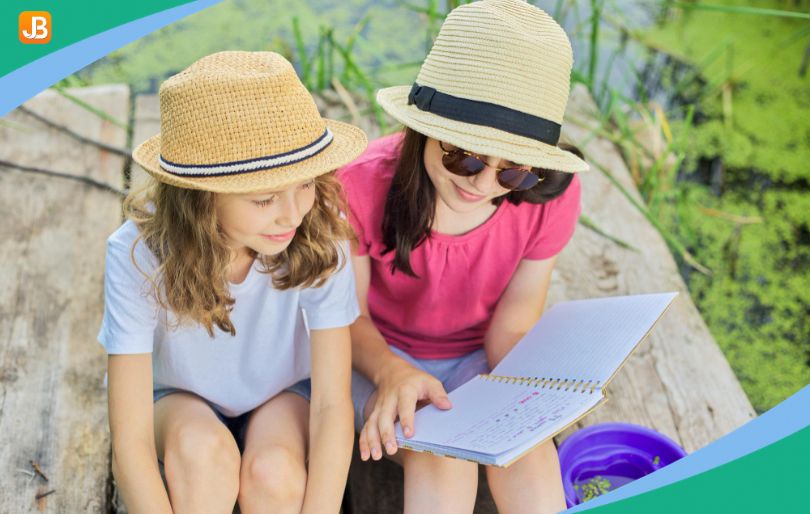
- Journaling Prompts: For older kids, ask them to write about their best and worst parts of the day.
- Calm-Down Stations: Especially important for summer camp ideas for preschoolers, these areas include sensory toys, soft pillows, and picture books.
How do I plan a kids’ summer camp schedule that actually works?
A reliable schedule alternates energy levels, repeats key routines daily, and includes an indoor backup plan. Predictability helps children feel safe, reducing anxiety and improving behavior.
For preschoolers, the focus is on shorter blocks and frequent transitions to match their attention spans. For elementary students, the blocks are longer to allow for deep dive projects and complex team sports.
Sample Daily Schedule for Preschool Summer Camp
| Time Block | Activity Category | Description |
| 8:30 – 9:00 | Arrival and Centers | Greet children; low-stimulation play (puzzles, Legos). |
| 9:00 – 9:30 | Morning Circle | Calendar, storytime, and music with movement. |
| 9:30 – 10:15 | Enrichment Block | Rotation of Art, Cooking, or Science experiments. |
| 10:15 – 10:30 | Snack and Hydrate | Managed transition with handwashing. |
| 10:30 – 11:30 | Outdoor Adventure | Playground time, water play, or nature walks. |
| 11:30 – 12:45 | Lunch and Clean-up | Half-day campers dismiss; full-day campers eat. |
| 12:45 – 2:15 | Nap and Rest Time | Quiet music, bedding out, and recharge time. |
| 2:15 – 3:15 | Afternoon Snack | Restrooms and putting bedding away. |
| 3:15 – 4:30 | Creative Choice | Outdoor art, sensory bins, or free-choice centers. |
| 4:30 – 5:30 | Wrap-up and Pickup | Indoor free play and organized clean-up. |
Sample Daily Schedule for Elementary Summer Camp
| Time Block | Activity Category | Description |
| 8:30 – 9:00 | Kick-off Rally | Morning assembly, daily theme reveal, and icebreakers. |
| 9:00 – 10:30 | High-Energy Block | Large group games, sports, or color war relays. |
| 10:30 – 10:45 | Recharge Break | Quick snack and water bottle refill. |
| 10:45 – 12:00 | STEM or Creative Lab | Engineering builds, coding logic, or complex crafts. |
| 12:00 – 1:00 | Lunch and Social | Free social time with supervised yard play. |
| 1:00 – 2:00 | Choice Electives | Kids choose between a sports track or a quiet craft track. |
| 2:00 – 3:00 | Team Challenge | Cooperative problem-solving or scavenger hunts. |
| 3:00 – 3:45 | Reflection and Recap | “Peak and Pit” journaling and group cleanup. |
| 3:45 – 4:30 | Free Choice | Board games, reading nook, or supervised open gym. |
The “Rain Plan” Swap
When the weather doesn’t cooperate, use this simple swap framework to keep the schedule moving without losing control:
- Swap Outdoor Sports for: Indoor Olympic stations in the gym or hallway.
- Swap Nature Walks for: Indoor scavenger hunts or found object art using classroom supplies.
- Swap Water Play for: STEM experiments with ice or indoor bubble stations.
The Unifying Challenge: Program Quality Depends on Organization
Great activities fail when rosters, staffing, payments, and parent communication are disorganized. To run a successful program, you need a system that handles the admin so your staff can focus on the activity.
How Registration Software Supports Better Camp Days
Using a centralized system prevents the chaos that often ruins a well-planned schedule.
- Accurate Rosters: Ensure counselors know exactly who is in their group, including age-appropriate splits.
- Medical and Pickup Info: Instant access to allergy lists and authorized pickup individuals is a safety must.
- Parent Messaging: If a rainstorm forces you to change the pickup location, a quick blast message saves dozens of phone calls.
- Waitlist Management: Automatically fill spots when a family cancels, ensuring your camp stays at full capacity.
Solutions such as Jumbula’s camp registration software streamline camp registration, handling these logistics so you can spend more time on creative planning and less time on spreadsheets.
FAQ
What are easy summer camp ideas with little prep?
Movement-based games such as “Simon Says,” “Red Light Green Light,” or “Nature Scavenger Hunts” require almost no equipment and can be started in seconds to fill unexpected gaps in the schedule.
What are good summer camp ideas for preschoolers?
Focus on sensory play and routine. Ideas include “Wash the Car” (cleaning plastic toys in bins of soapy water), storytime with puppets, and simple obstacle courses that focus on gross motor skills.
What are the best summer camp ideas for elementary students?
Elementary students love competition and complexity. Try STEM building challenges, “Color War” team competitions, and “Elective” blocks that let them choose between sports and arts.
What are fun indoor summer camp activity ideas for rainy days?
Set up a camp cinema, run indoor relays using masking tape tracks, or hold a talent show where groups spend the morning practicing skits to perform in the afternoon.
How do I keep camp activities organized across groups and weeks?
Use a digital registration and management system to track rosters, themes, and staff assignments. Having one shared schedule and roster system prevents overlaps and keeps staff aligned.
6 thoughts on “Summer Camp Ideas for Kids: Indoor, Outdoor, STEM, and Theme Week Activities (Preschool to Elementary)”
If you are going for most excellent contents like me, only go
to see this web page all the time ffor the reasopn that itt provides feature contents, thanks
We’re glad you enjoy the content and appreciate your support.
It is appropriate time to make some plans for the future and it is time
to be happy. I’ve read this post and if I could I want to suggest you few interesting things
or suggestions. Maybe you can write next articles referring to this article.
I wish to read even more things about it!
Thank you so much. we will be sharing more content soon.
Hi, this weekend is good for me, since this moment i am reading this fantastikc educational post here aat myy house.
Thank you.