




Key Takeaways
Is summer camp actually educational, or is it just play?
It is “stealth learning.” While it looks like unstructured play, campers are actively practicing social-emotional learning (SEL). They navigate complex social hierarchies, resolve conflicts, and apply critical thinking to physical challenges.
How does camp build independence away from home?
By making children the primary caretakers of their own day. Without parents to manage their schedules or belongings, kids must learn to track their own “kit” (sunscreen, water bottles, gear), follow daily routines, and make autonomous decisions about how to spend their free time.
How can parents tell if camp was a success?
The true value often reveals itself at home through a newfound willingness to manage personal tasks, improved self-reliance, or a noticeable boost in social confidence. Ask them specific questions about how they handled a challenge or navigated a disagreement with a peer to gauge their growth.
What is the most important factor in choosing a camp for development?
Alignment. Look for a program that matches your goals—whether that’s confidence-building via “challenge-by-choice” activities, social growth through cabin culture, or independence through elective management.
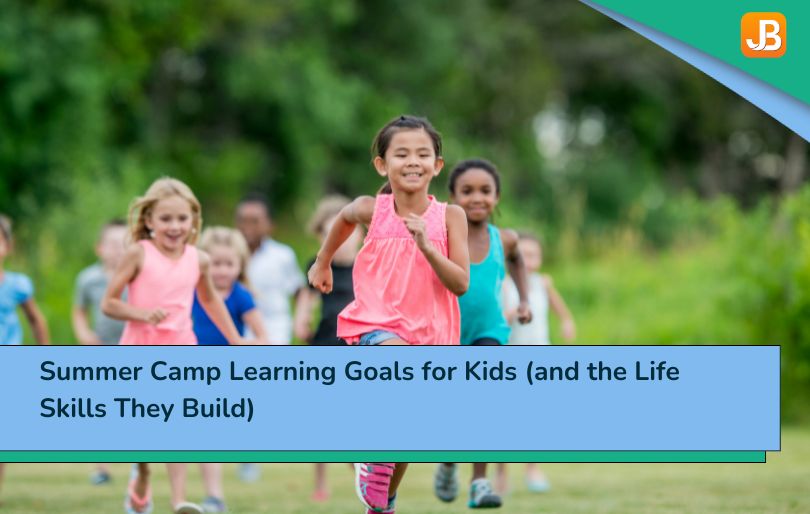
Summer camp learning goals for kids include building independence, honing social skills, and fostering a sense of responsibility and teamwork. It is a rare environment where children can learn without direct parental supervision and away from the rigid pressures of the traditional school system.
Once camps shift the focus from keeping the kids busy to intentionally developing summer camp skills, parents and directors can transform a week of vacation into skills they later carry into the school year. To understand this transformation, we must first look at what these goals look like in practice.
What Are the Learning Goals of Summer Camp (Beyond Having Fun)?
Broadly, the goal of summer camp for your child is to provide a safe environment. Unlike school, where a mistake might result in a bad grade or a permanent record, camp allows kids to try new things such as scaling a rock wall or leading a group song without the fear of academic failure. Even shy kids learn better in this setting, since the primary goal is often social agency.
These are often learned through guided group experiences; the structured camp activities produce specific developmental outcomes that stick with a child long after they leave camp.
This often leads parents to ask: Is camp actually educational or just play? The answer is stealth learning. While it looks like play, campers are navigating complex social hierarchies, practicing conflict resolution, and applying critical thinking to physical challenges.
What Skills Do Kids Learn at Camp?
Most kids build communication, collaboration, self-management, adaptability, and leadership through daily routines, group challenges, and shared responsibilities.
The broad range of skills learned during a stay can be sorted into several key groups that allow developmental milestones to flourish naturally.
Social and Emotional Learning Goals (SEL)
Since camp is a communal living environment, kids naturally learn skills based on human connection. Without the safety net of school cliques, kids learn friendship building by finding common ground with strangers from different backgrounds. This is why they learn a few soft skills such as:
1. Conflict Resolution
A major component of SEL is Conflict Resolution. When two kids want the same top bunk or the last spot in a canoe, they can’t just walk away; they have to negotiate a compromise under the guidance of a mentor. Shared struggle (a long hike) and shared joy (winning a color war) create quick friendship through high-intensity bonding.
2. Resilience
If a child struggles with big feelings such as homesickness or frustration, counselors are trained to validate these emotions while encouraging resilience. Instead of parents swooping in to fix the problem, counselors guide the child through the feeling, helping them realize they can handle discomfort on their own.
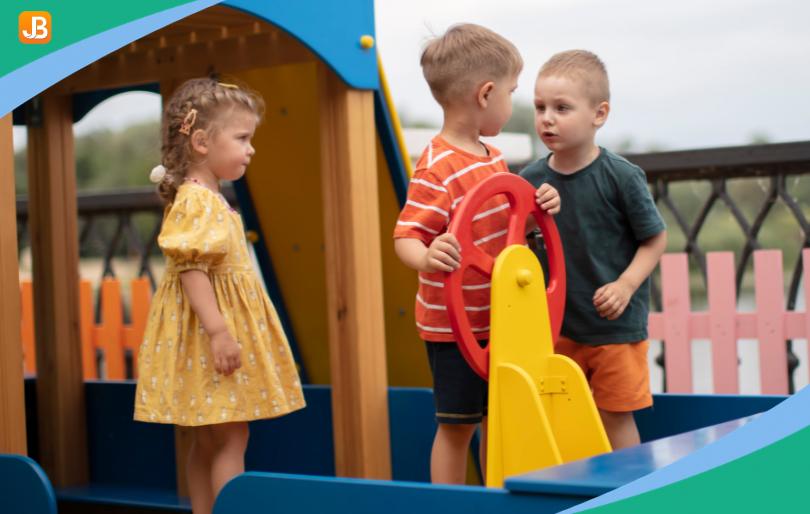
How Does a Life Skills Summer Camp Build Independence and Responsibility?
Camps build independence by giving kids age-appropriate choices and responsibilities, including managing belongings, following schedules, and trying new tasks without parents nearby.
For many children, camp is the first time they are the primary caretakers of their own lives. This is where they learn basic skills such as:
- Self-Care Routines: Remembering to apply sunscreen, hydrate, and keep track of a backpack without a parent’s constant reminder.
- Time Awareness: Moving from one activity to the next based on a schedule.
- Decision-Making: Choosing which elective to take or how to spend free time forces kids to weigh their interests and manage their own time.
At this point, parents should expect their child to manage their “kit” (towel, water bottle, hat), keep their personal space tidy, and navigate the dining hall transitions. For example, At age seven, a realistic goal is autonomous hygiene (brushing teeth and changing clothes) and making a choice between activity options without looking to an adult for the answer.
What Are the Most Common Summer Camp Skills Tied to Teamwork and Leadership?
In an increasingly individualistic world, camp forces a return to the tribe through team games and group projects. Leadership is a goal even for the youngest campers; for a 6-year-old, this might look like being the “Line Leader” or being responsible for holding the group’s equipment. These activities build teamwork, leadership, and listening skills through:
- Role-taking: Learning when to lead a project and when to be a supportive team member.
- Trust-building: Activities such as low ropes courses or group raft-building require campers to put their success in a peer’s hands.
- Giving and Receiving Feedback: Learning how to tell a teammate their idea did not work without hurting their feelings, and learning not to take critique personally.
You will know camp is improving teamwork when you notice a shift at home from a newfound willingness to share tasks. But If your child hates group activities, look for “niche” camps (STEM, Art, or specialized sports) where the collaboration is centered around a shared passion.
How Do Camps Support Critical Thinking and Problem-Solving?
Camps strengthen problem-solving by using games and real-world scenarios allowing kids to plan, test ideas, and adjust.
- Curiosity: Being in nature sparks “why” and “how” questions that a screen cannot answer.
- Persistence: Trying to hit a target in archery or master a swim stroke requires repetitive effort and the ability to handle minor failures. Since the reward for perseverance is social and immediate, children are motivated to keep trying, so they will not give up easily.
- Growth Mindset: Campers learn they are not bad at something; they just have not mastered it yet. In this context, kids learn that failing is okay, because they learn to analyze what went wrong to try again tomorrow.
Beyond STEM activities, everyday life at camp is a puzzle: “How do we get our whole cabin to the campfire on time?” or “How do we build a skit that uses everyone’s talents?” These are real-world logic problems that strengthen a camper’s problem-solving skills.
These are real-world logic problems that strengthen a camper’s problem-solving skills. Still, it is important for camps to recognize that the complexity of these challenges must evolve as a child grows.
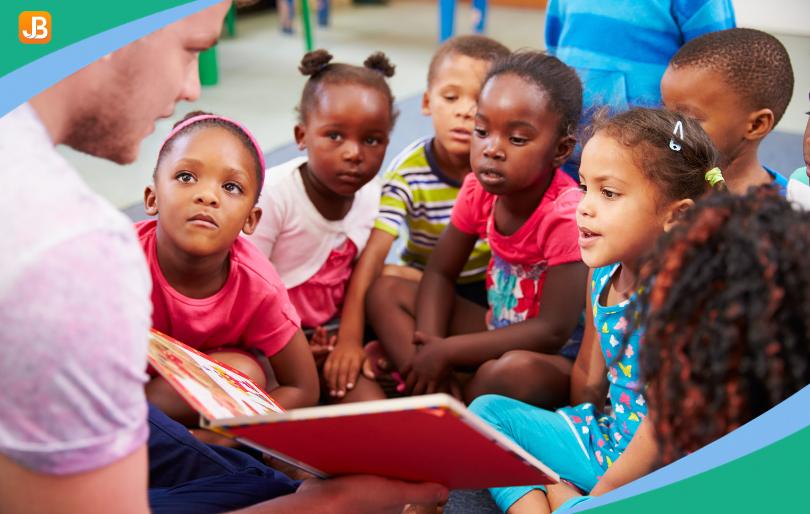
What Are Realistic Summer Camp Goals at Every Age?
Defining these outcomes moves a program beyond babysitting and proves its value to parents. However, a parent’s expectations need to align with their child’s developmental stage. For instance, if you are looking for goal examples for a 6-year-old, the focus should be on the transition from a home-centric world to a peer-centric one. At this age, success looks like:
1. Preschool and Early Elementary Goals
The goal is the transition from a home-centric world to a peer-centric one filled with skills such as:
- Making Friends: “I will learn the names of three people in my group.”
- Teamwork: Participating in a group scavenger hunt or a shared art mural.
- Language and Motor Skills: Improving the ability to communicate needs and refining physical coordination through storytelling and water play.
- Self-Care: Staying away from parents for a full day and managing their own water bottle.
Preschool children are mostly first-time campers. When a child is heading off for their first summer, many parents wonder what is realistic for a first-timer to achieve. In these cases, the priority should be small, manageable wins in self-reliance. You can expect a first-timer to manage their kit and keep their personal space relatively tidy.
Even with these milestones in mind, it is vital to set these intentions without making your child feel pressured. The goal should feel like an adventure, not a chore or a second school year.
2. Upper Elementary Goal Examples
Kids in this bracket have enough independence to form complex social groups.
- Self-Esteem: Overcoming a specific challenge or receiving an award for being the “most helpful camper.”
- Independence: Keeping personal gear organized for the entire week without help.
- Leadership: Taking a lead role in a cabin skit or a structured group activity.
Middle School Goal Examples
For middle schoolers, social connection and identity matter most.
- Sense of Belonging: Finding a tribe outside of their school social circle.
- Autonomy: Gaining skills in activities not present at home, such as outdoor survival or advanced coding.
- Identity: Experimenting with new roles—the “funny one” or the “organizer”—in a fresh environment.
When setting these, keep it light. Ask, “What’s one thing you want to try for the first time?”
How Can Camps Measure Learning Outcomes Without Making It Feel Like School?
Camps can measure progress through simple observation notes, short reflections, and parent updates that focus on growth rather than grades. This ensures the environment remains fun while still being intentional. When considering what a camp should share with parents about progress, look for methods that capture tangible developments:
- Counselor Observation Checklist: A simple internal list where staff note specific moments when a camper shows persistence, kindness, or leadership.
- Camper Reflection Prompts: Shared during evening cabin chats to help kids process their day. Counselors might ask, “What was the hardest part of your day?” or “Who did you help today?”
- End-of-Week Growth Recap: A short note sent home highlighting 1–2 specific moments where the child showed growth in their summer camp skills.
In reality, the true value of camp often reveals itself during the journey home. Many parents find themselves wondering how to know if the camp was truly worth the investment. The answer lies in the subtle shifts: a newfound willingness to help, increased self-reliance, or a boost in social confidence.
To get a clearer picture of these changes, there are specific outcomes you should ask about at pickup. Inquire whether they tried an activity outside their comfort zone, how they navigated a group conflict, or if they took on a leadership role during a cabin task.
How camp registration software helps camps deliver learning goals consistently
Great activities are only half the battle; the other half is the organization that makes them happen. For many families, figuring out whether a camp is well-run comes down to how it handles the “unseen” logistics.
You might wonder what systems help reduce check-in confusion or prevent those first-day headaches. A professional backend ensures a seamless transition from the car to the cabin, which is vital for a child’s confidence. This organization directly supports the learning environment by:
- Matching the Right Peers: Proper grouping ensures your child is with a developmentally appropriate age range, which is the foundation for teamwork and social growth.
- Prioritizing Mentorship: When digital systems handle the “busy work” such as waivers and health forms, counselors spend less time on clipboards and more time actually mentoring your child.
- Ensuring Safety: Real-time capacity management means groups stay small enough for every child to be seen, heard, and supported.
Transparency is also key. One of the most common questions is how camps keep parents informed during the week. A well-organized camp uses centralized updates to share important moments, helping you feel connected to your child’s progress without intruding on their growing independence.
Quick Checklist: Finding the Right Fit for Your Child
When choosing a camp that teaches life skills, it helps to look for a program whose philosophy aligns with your specific goals. So which camp is best for building confidence? Let’s consider these focus areas:
- For Confidence: Look for challenge-by-choice programs (such as climbing or theater) that reward the courage to try over the perfect performance.
- For Social Skills: Prioritize camps that focus on cabin culture and use conversation to work through peer disagreements.
- For Independence: Seek out programs where kids are responsible for managing their own daily electives and gear.
- For STEM or Creativity: Find a camp that celebrates the messy middle of a project, where trial and error is more important than the final product.
What questions should I ask before enrolling? Before you sign up, have a quick chat with the director and ask:
- “How do you handle it when two campers aren’t getting along?”
- “How do your counselors encourage a child who is nervous about trying something new?”
- “How do you share growth moments or updates with parents during the session?”
Finding a camp that is as intentional with its organization as it is with its activities means that your child returns home with the persistence and self-reliance needed for the year ahead.
Conclusion
A strong life skills summer camp doesn’t just keep kids busy, it gives them repeated chances to practice social confidence, independence, teamwork, and problem-solving. When goals are clear and progress is shared in simple ways, families can see real growth by the end of the week.
FAQ
What questions should I ask before enrolling?
Ask the director: “How do you handle peer conflict?”, “How do counselors encourage a nervous child?”, and “How do you share growth updates with parents during the session?”
What if my child is very introverted?
Look for “niche” camps centered on a passion like STEM or Art. Introverts often thrive in collaborative environments when the focus is on a shared project rather than high-intensity social games.
Is it okay if my child fails at an activity?
Yes. Failure at camp is low-stakes. It teaches kids how to analyze mistakes, build persistence, and realize that not being good at something “yet” is just part of the learning process.
How do I prepare my child for the independence of camp?
Start small at home. Have them practice packing their own bag, managing their own sunscreen, or making a choice between two activities without your input.
What life skills do kids actually learn at camp?
Kids build independence by managing their own gear and self-care, social agency by navigating new friendships without school cliques, and resilience through low-stakes challenges like rock climbing.