




Key Takeaways
How do I choose between day and overnight formats?
Base your decision on emotional readiness, not just age. Day camps are ideal for first-time campers who need the security of home, while overnight camps are for children ready to build independence through 24/7 community living.
What is the main benefit of a traditional camp?
A traditional camp focuses on variety and social growth. By offering a mix of sports, arts, and games rather than one specialty, it helps children build confidence and teamwork skills through diverse, low-pressure experiences.
How do I know if a specialty camp is a good idea?
Choose a specialty camp (like coding, chess, or cooking) when your child is motivated by mastery and depth. These programs are best for kids who want to focus on a single passion rather than rotating through multiple activities.
What are the “red flags” to check before registering?
Always review staff qualifications and refund policies. Ensure the camp has clear safety protocols and a structured daily schedule that matches your child’s energy levels and temperament.
The types of camps for kids vary widely in format, focus, and time commitment. With inconsistent information across programs, comparing options and making a confident decision can be difficult.
This guide explains how to choose among the different types of camps for kids by breaking down camp formats, focuses, and key comparison questions. It gives you a clear framework for comparing programs and selecting the right fit without unnecessary complexity.
What Are the Main Types of Camps for Kids?
The most common types of camps for kids can be grouped by format (day, overnight/sleepaway, and virtual/hybrid), then by focus (traditional, sports, STEM/academic, arts, outdoor/adventure, and specialty programs). This approach helps you understand your options quickly without sorting through individual programs.
When you look at the camp format first, and the camp focus second, you can narrow your choices based on practical needs before comparing activities. This makes it easier to find programs that fit your schedule, supervision preferences, and your child’s interests.
A Simple Way to Classify Different Types of Camps for Kids
Camp formats define how the program is delivered and how much time your child spends at camp.
- Day camps
- Overnight or sleepaway camps
- Virtual or hybrid camps
Camp focus areas describe what your child will spend most of their time doing.
- Traditional camps
- Sports camps
- STEM and academic camps
- Arts and creativity camps
- Outdoor and adventure camps
- Specialty and interest-based camps
Support-focused programs address specific developmental, cultural, or inclusion needs.
- Preschool and early childhood camps
- Inclusion and special needs camps
- Faith-based camps
Using this structure helps you identify the best types of camps for kids by balancing logistics, learning goals, and personal interests.
If you’re trying to decide on the best type of camp for your child, start with the format (day vs. overnight), then match the focus to your child’s interests and support needs.
Day Camp vs Overnight Camp: Which Is Better for Your Child?
Day camps are best for younger or first-time campers who want structure and fun while sleeping at home. Overnight camps fit kids ready for multi-day independence, friendships, and cabin-based routines.
Day Camps
Day camps are a strong fit for first-time campers, younger children, and families that need daily drop-off and pick-up. This format offers structure and social interaction without extended time away from home.
What it feels like:
- Structured daily schedule
- Wide mix of activities
- Consistent daily routine
Overnight or Sleepaway Camps
Overnight or sleepaway camps work best for kids who are ready for longer separation and deeper community connections. Campers live on-site and follow shared routines that support independence and responsibility.
What it feels like:
- Cabin living and group routines
- Evening programs and shared traditions
- Community built through repeated experiences
Focusing on readiness (not just interest) helps you pick a format that goes smoothly.
What Is a Traditional Camp?
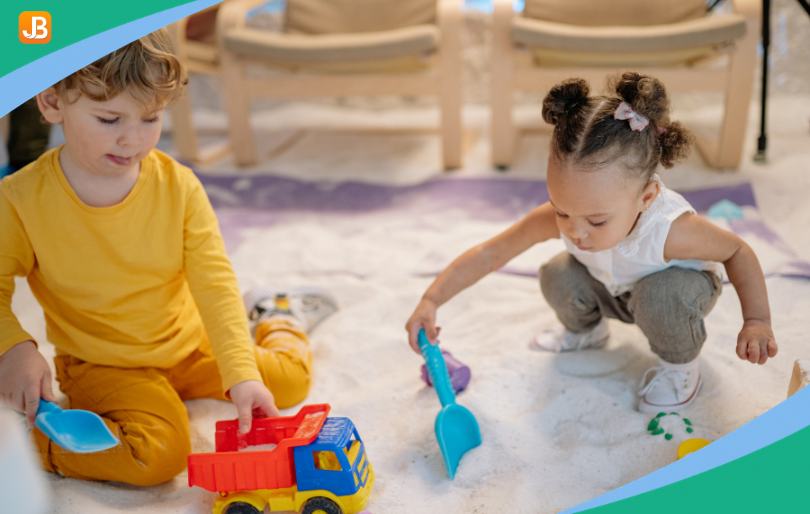
A traditional camp offers a broad mix of outdoor play, sports, arts, group games, and community activities. Instead of specializing in one skill, it focuses on variety, participation, and shared experiences.
This type of camp emphasizes fun, teamwork, and confidence by placing children in structured group settings where social interaction is part of the daily routine.
Who Traditional Camps Work Best For
Traditional camps work best for kids who enjoy trying different activities rather than focusing on a single specialty. This format maintains high engagement through variety and movement.
They’re a strong option for families who want “classic camp” variety and social growth.
What Are Sports Camps and Who Should Attend Them?
Sports camps focus on skill development, drills, fitness, and teamwork in a single sport or a rotating mix of sports. These programs can suit beginners or advanced athletes, depending on how training, grouping, and instruction are structured.
This type of camp is better for kids who enjoy physical activity, respond well to coaching, and benefit from clear performance goals. Within the different types of camps for kids, sports camps appeal to those who prefer movement and performance-based progress.
What Parents Should Check Before Enrolling
Before enrolling, check how the camp groups are organized by skill level to ensure appropriate instruction and challenge. Clear separation between beginner and advanced participants supports safety and progress.
You should also review coach qualifications and safety protocols to confirm proper supervision and training standards. Experienced staff and clear procedures reduce risk during physical activity.
Finally, examine the daily training load to determine whether the program emphasizes competitive intensity or recreational play. Matching intensity to your child’s interest and stamina helps prevent burnout.
What Are STEM and Academic Camps?
STEM and academic camps use hands-on projects such as coding, robotics, experiments, and engineering challenges to build problem-solving skills and curiosity in a fun, structured environment. Learning is active and project-based rather than lecture-driven.
These types of camps are for kids who enjoy logical thinking, exploration, and structured learning experiences that encourage independent thinking.
STEM vs STEAM: What’s the Difference?
STEM focuses on science, technology, engineering, and math, with activities centered on analysis, experimentation, and technical skills. This approach suits kids who prefer clear rules and measurable outcomes.
STEAM integrates the arts and design thinking alongside core STEM subjects to support creativity and flexible problem-solving. This model works well for kids who learn best by combining technical skills with creative expression.
What Are Arts and Creativity Camps?
Arts and creativity camps focus on self-expression through visual arts, music, dance, theater, or creative writing. These programs emphasize skill development, creativity, and confidence within a supportive environment.
Many arts camps conclude with performances or exhibits that give your child a clear goal and a tangible sense of achievement.
What Are Outdoor and Adventure Camps?
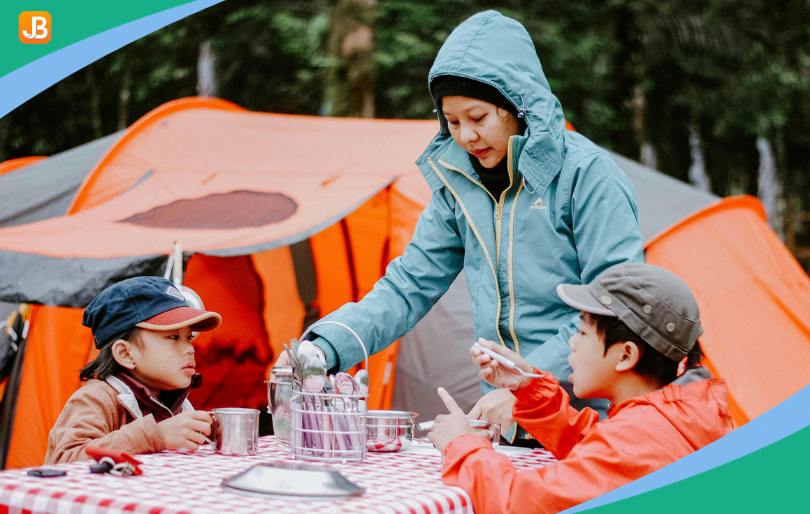
Outdoor and adventure camps focus on physical activity in natural environments. You choose this type of camp when you want your child to engage with nature through structured outdoor challenges.
These camps typically include activities such as hiking, climbing, kayaking, and navigation exercises. Each activity is designed to build physical endurance while keeping safety and supervision central.
This is a strong fit if your child enjoys movement, challenge, and hands-on exploration. Compared to other types of camps for kids, outdoor and adventure camps stand out for combining physical growth, confidence building, and real-world skill development.
What Are Specialty and Interest-Based Camps?
Specialty and interest-based camps are designed around one focused subject rather than a broad schedule. You choose this option when your child wants to focus on developing a specific skill or deepening an existing interest.
These camps commonly focus on areas such as cooking, chess, LEGO®, entrepreneurship, or gaming. Smaller group sizes and subject-focused instructors provide your child with more guidance and targeted feedback, distinguishing these camps for kids from general programs.
This format works well if your child prefers depth over variety. Within the broader types of camps for kids, specialty camps are often the best option for those motivated by mastery, concentration, and measurable progress.
What Are Faith-Based Camps?
Faith-based camps combine traditional camp activities with values-driven programming. You choose this option when reinforcing shared beliefs is an important part of your child’s experience.
Programs often include community-building activities, service projects, reflection time, and age-appropriate religious instruction. These camps may be offered as day programs or overnight stays, giving you flexibility based on your child’s comfort level.
This option fits best if your family prioritizes moral guidance alongside recreation. Within the broader types of camps for kids, faith-based camps stand apart by aligning personal development with spiritual values while maintaining a structured camp environment.
What Are Inclusion and Special Needs Camps?
Inclusion and special needs camps are designed to support children with diverse physical, developmental, or emotional needs. You choose this type of camp when accessibility, safety, and individualized support are essential to your decision.
Programs adjust schedules, activities, and environments to meet specific needs. Trained staff members and lower camper-to-staff ratios help your child participate confidently without feeling excluded or overwhelmed.
These programs ensure access without compromising quality. Among the different types of camps for kids, inclusion and special needs camps provide meaningful participation while respecting individual abilities and comfort levels.
What to Ask Before Registering
Start by confirming staff qualifications and available accommodations. You need clarity on how instructors are trained to support your child’s specific needs.
Ask about sensory and behavioral supports used during daily activities. This helps you understand how the camp manages stimulation, transitions, and emotional regulation.
Review how medical information is handled and what emergency protocols are in place. Clear procedures protect your child and give you confidence before committing to any type of camp for kids.
Preschool and Early Childhood Camps: What Should Parents Expect?
Preschool and early childhood camps are structured specifically for very young children. You can expect shorter days that respect attention spans and reduce fatigue.
Daily schedules follow predictable routines with close supervision. Activities center on play-based learning that supports comfort, cooperation, and the development of early social skills.
These camps are designed to gradually introduce group environments. Within the broader types of camps for kids, preschool programs focus on emotional security, gentle structure, and age-appropriate engagement.
What Are Virtual and Hybrid Camps, and When Do They Make Sense?
Virtual and hybrid camps provide structured enrichment through online platforms or blended in-person schedules. You consider this option when flexibility and access matter more than location.
Programs often focus on subjects such as coding, art, language learning, or academic skill-building. Digital delivery allows your child to participate regardless of geography while maintaining guided instruction.
This format makes sense if scheduling constraints or specialized interests limit local options. Among the types of camps for kids, virtual and hybrid camps offer convenience without sacrificing purposeful learning.

How Do You Choose the Best Type of Camps for Kids Based on Age and Temperament?
Begin by selecting a camp format that matches your child’s comfort with separation. You decide between day and overnight options based on independence, familiarity with routine, and emotional readiness.
Next, match the camp focus to your child’s interests. Aligning activities with motivation helps you narrow the types of camps for kids without creating resistance or disengagement.
Finally, evaluate readiness factors, including routine tolerance, social comfort, and support needs. This step helps you confidently identify the best type of camps for kids without overcomplicating the decision.
Quick Matching Guide: How Age and Temperament Influence Camp Fit
This snapshot helps you narrow options quickly before comparing specific camp programs.
| Age Group | Best-Fit Camp Formats | Best-Fit Camp Focuses | Watch-Outs | What to Prioritize |
| Preschool | Day camps | Play-based, arts | Fatigue, overstimulation | Short sessions, familiar routines |
| Elementary | Day or overnight | Traditional, sports | Homesickness | Gradual independence, structure |
| Middle School | Overnight | Sports, STEM, adventure | Intensity | Balance between challenge and recovery |
| Teens | Overnight or specialty | Specialty, leadership | Burnout, overscheduling | Autonomy, skill progression |
Using age and temperament together ensures the different types of camps for kids support healthy development rather than creating unnecessary pressure.
What Should You Compare Between Camps Before You Register?
Start by reviewing safety standards and staff qualifications. You want clear information on supervision ratios, training, and emergency preparedness.
Next, compare daily schedules and communication practices. Consistent updates and transparent routines help you understand how each program operates.
Finally, examine refund policies, late pickup policies, and required forms. This comparison step protects you from unexpected issues and clarifies expectations across the best types of camps for kids before enrollment.
The Camp-Operator Connection: Why Clear Information and Easy Registration Matter
Parents make decisions faster when camp details are easy to compare (ages, dates, day vs. overnight, and what’s included). Registration is also smoother when forms, payment steps, and confirmations are clear, so families don’t have to chase missing info later.
Where Camp Registration Software Fits Naturally
Camp registration software can help camps present program options clearly, collect required forms, manage capacity, and send confirmations without extra back-and-forth. (Jumbula is one example.)
- Publish clear program options
Camp types, age ranges, and session dates are presented in a consistent format, making options easy to scan and compare. - Collect digital forms and waivers
Required documents are completed during registration, keeping information complete and organized. - Manage capacity and waitlists
Enrollment limits update automatically, so availability stays accurate as spots fill. - Handle payments and confirmations
Payments and confirmation messages are processed in a single flow, completing registration without follow-up steps.
When camps remove friction from the information and registration processes, families can focus on choosing the right program instead of managing the process.
Conclusion
Understanding the types of camps for kids is less about finding a perfect option and more about matching the structure, activities, and support to your child’s needs.
By comparing camps for kids based on age, temperament, and interest level, families can move forward with clarity rather than hesitation.
When camps pair clear program details with an easy registration experience, decision-making becomes simpler for everyone. Some camps use registration software such as Jumbula to organize registrations, forms, and payments, so families can sign up without confusion.
FAQ
What are the different types of camps for kids?
You’ll typically find day camps, overnight camps, and specialty programs. Each type differs in structure, level of supervision, and degree of independence your child exercises.
What is a traditional camp?
A traditional camp offers a mix of outdoor activities, group games, and shared routines. You choose it when you want broad exposure rather than a single skill focus.
Which camp is best for first-time campers?
You usually start with formats that limit separation stress. Short sessions, familiar schedules, and consistent staff help first-time campers adjust smoothly.
Day camp vs overnight camp?
Day camps suit children who need daily home routines, while overnight camps fit those ready for extended independence. Your decision depends on comfort with separation, not age alone.
Are STEM camps good for beginners?
STEM camps work well when programs emphasize exploration over performance. Look for beginner tracks that prioritize curiosity rather than prior experience.
What if my child needs accommodations?
You should confirm how each camp supports individual needs before enrolling. Clear communication about staffing, flexibility, and resources prevents misalignment later.
What should I pack?
You pack based on camp length, activity type, and supervision level. Most camps provide checklists to help you avoid overpacking or missing essentials.
How long do camps usually last?
Camp sessions range from a few days to several weeks. Shorter sessions suit trial experiences, while longer ones support deeper skill development.