




Key Takeaways
What makes a good summer camp lunch for kids?
A good camp lunch is safe, balanced, portable, and easy for children to eat independently. It should include protein, complex carbohydrates, and a fruit or vegetable to support energy, hydration, and focus.
How are camp lunches different from school lunches?
Camp lunches often face more heat, movement, outdoor storage, and limited refrigeration. Because of this, they need to be sturdier, less messy, and packed with food safety in mind.
What are easy lunch ideas that stay fresh at camp?
Wraps, pita pockets, olive oil–based pasta salads, rice bowls, firm fruits, and sturdy vegetables work well because they hold up better during active outdoor days.
How can parents keep cold lunches safer during camp?
Use an insulated lunch bag, include at least two frozen ice packs, pre-chill food before packing, keep lunches out of direct sunlight, and avoid highly perishable foods unless they are properly cooled.
Kids summer camp lunch ideas matter because camp lunches need to do more than fill kids up. They need to stay safe in heat, hold up through movement and outdoor activity, and be easy for children to eat on their own.
Unlike school lunches, camp meals are often exposed to sun, longer storage times, and limited refrigeration. Children may spend hours swimming, playing sports, and moving between activities, so the food they bring should stay fresh, provide steady energy, and be simple to manage independently.
With a little planning, parents can pack lunches that stay safer throughout the day, reduce preventable issues, and support a smoother camp experience. This guide explains how to plan safe, balanced, and practical lunch ideas for summer camp.
What Makes a Good Summer Camp Lunch for Kids?
A good summer camp lunch balances nutrition, portability, food safety, and foods children will actually eat. Lunch ideas for summer camp are designed to withstand heat, outdoor activities, and independent eating without becoming messy or unsafe.
Parents should aim for a meal that includes protein, a complex carbohydrate, and a fruit or vegetable. Protein helps support steady energy, complex carbohydrates provide longer-lasting fuel, and produce added hydration and fiber. In practice, that means packing a balanced, durable meal that can handle an active outdoor schedule.
Camp lunches differ from school lunches because they are typically eaten outdoors, often without guaranteed refrigeration, and after higher levels of physical activity. School lunches can rely more on stable indoor temperatures and shorter exposure windows. Camp meals must tolerate movement, warm air, and limited cooling.
Foods that work best for outdoor camps are sturdy, lower-risk, and easy for children to handle on their own. Examples include:
- Wraps instead of soft sliced sandwich bread
- Olive oil–based pasta or grain salads instead of mayonnaise-heavy dishes
- Whole fruits instead of delicate pre-cut fruit without insulation
- Firm vegetables such as carrots and cucumbers
Child appeal is equally important. Children eat more consistently when meals contain familiar flavors and manageable portions. Packing food a child already enjoys increases the likelihood that the entire meal is consumed, which directly supports afternoon energy and focus.
Together, these elements define strong kids summer camp lunch ideas for active outdoor settings.
Why Balanced Nutrition Matters During Summer Camp Activities
Balanced nutrition supports stamina, concentration, mood stability, and hydration during physically active camp days.
Children typically move more at camp than at school. Outdoor games, sports, swimming, and extended sun exposure increase calorie use and fluid loss. For this reason, lunch ideas for kids at summer camp should provide more sustained energy than typical school lunches.
Camp meals should deliver steady fuel rather than quick sugar spikes. A properly packed lunch should:
- Include sufficient protein to reduce fatigue and support muscle recovery
- Contain complex carbohydrates for sustained energy
- Provide fruits or vegetables that contribute to natural hydration
- Add one extra snack to maintain afternoon focus
Most children do well with one main item, two sides, and one snack. If a child consistently returns home overly hungry or irritable, the portion size or protein content likely needs adjustment.
Well-balanced summer camp lunch ideas help children maintain attention during structured activities and regulate mood throughout long, active days.

Easy Kids Summer Camp Lunch Ideas That Stay Fresh
Easy kid lunches for summer camp are simple, durable meals that stay fresh in insulated bags and can be eaten quickly without adult help.
Good packed camp lunches need minimal preparation, no reheating, and textures that hold up for several hours.
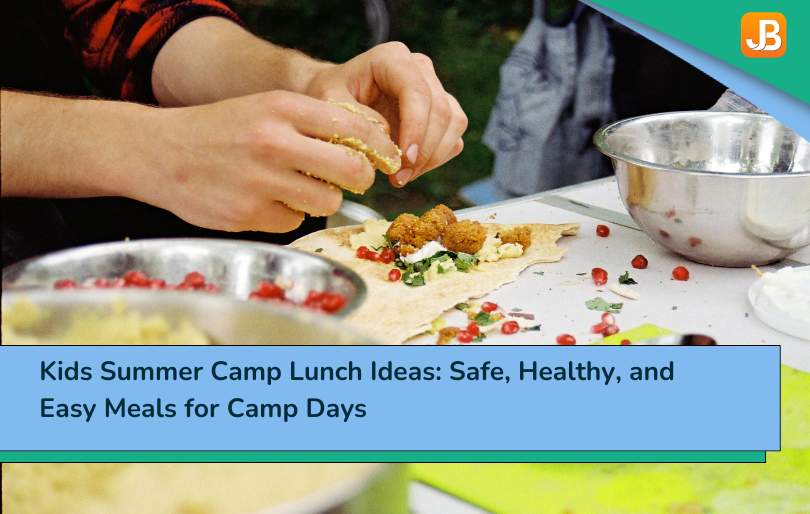
Wrap-based options hold together better than sliced bread and are easy for children to manage:
- Turkey and cheese wrap
- Hummus and vegetable wrap
- Sunflower butter and banana roll-up
- Chicken pita pocket
Grain and pasta combinations provide structure and sustained energy without becoming soggy:
- Olive oil pasta salad with vegetables
- Brown rice with grilled chicken
- Quinoa with beans and corn
Sturdy fruits and vegetables add hydration and fiber while remaining portable:
- Apple slices treated to prevent browning
- Halve grapes for younger children
- Watermelon cubes in sealed containers
- Cucumber rounds and cherry tomatoes
Simple combinations like these make morning packing faster and lunchtime easier for children.
Summer Camp Lunch Ideas No Refrigeration Required
Summer camp lunch ideas no refrigeration required work best when they rely on shelf-stable ingredients and smart packing. These lunches reduce spoilage risk by avoiding highly perishable foods and using insulated bags and cooling support where possible.
Suitable no-refrigeration options include:
- Seed butter sandwiches
- Whole fruits such as apples and oranges
- Shelf-stable milk boxes
- Tuna or chicken packets are opened at lunchtime
- Nut-free trail mix
- Protein or granola bars
Keeping camp lunch fresh without a fridge depends on preventive steps. Pack food in insulated lunch bags, pre-chill items before leaving home, and keep lunches out of direct sunlight. Freezing a water bottle overnight provides added cooling support. Avoid mayonnaise-based salads, soft cheeses, or dairy-heavy dishes that spoil quickly in heat.
No-refrigeration meals work best when ingredients are naturally stable and packed with temperature awareness.
Cold Lunch Ideas for Kids Summer Camp
The best cold lunch ideas for kids summer camp are protein-based meals and fresh produce packed with enough insulation to stay cold from morning until lunch.
Appropriate cold lunch ideas for kids at summer camp include:
- Chicken wrap with leafy greens
- Olive oil pasta salad
- Yogurt with granola, packed with multiple ice packs
- Cottage cheese and fruit
- Deli meat roll-ups
Pack cold lunches in insulated bags with at least two frozen ice packs, keep them out of direct sunlight, and reseal containers immediately after opening.
Hydrating foods such as watermelon, oranges, and cucumbers can be added to support fluid intake during hot days.
Cold meals remain safe only when temperature control is maintained throughout the morning.
Allergy-Friendly and Safe Camp Lunch Planning
Camps address food allergies by enforcing ingredient restrictions, collecting dietary information during registration, and carefully supervising meals. Parents should review camp policies in advance and pack meals that comply with those requirements.
Allergy-safe lunches avoid restricted ingredients such as nuts, dairy, or gluten when required by camp guidelines. Appropriate options include:
Nut-Free
- Sunflower butter sandwiches
- Cheese and crackers
- Hummus and pita
Dairy-Free
- Turkey wraps
- Bean and rice bowls
- Fruit with seed-based snacks
Gluten-Free
- Rice cakes with toppings
- Corn tortilla wraps
- Quinoa-based salads
Lunch containers should be clearly labeled, and children should be instructed not to share food. Clear communication between families and staff helps ensure that lunch ideas for summer camp comply with allergy policies and reduce risk for the entire group.

Hydration, Snacks, and Energy Support During Camp
Children need steady hydration and balanced snacks to maintain endurance and focus during outdoor camp activities.
Most children should drink water regularly throughout the day and refill a large bottle at least once during camp hours. Intake should increase during high-heat days or physically demanding activities. Waiting until thirst appears is not sufficient in hot environments.
Snacks for camp should provide protein and complex carbohydrates rather than quick sugar. Practical options include:
- Cheese sticks or seed-based protein snacks
- Whole-grain crackers
- Fresh fruits such as oranges or watermelon
Balanced snacks help extend energy between lunch and pickup time. Consistent fluid intake and smart snack choices are key to successful kids’ summer camp lunch ideas, especially in warm outdoor settings.
How Camp Registration Systems Help Manage Dietary Needs
Camps track food allergies safely by collecting dietary information during registration and storing it in centralized records that staff can access instantly.
Registration software helps manage dietary information by centralizing allergy details, food restrictions, and medical notes in one system that staff can reference at any time.
Online registration platforms, including Jumbula, allow families to document allergies, dietary preferences, and emergency information in a structured format. This reduces reliance on paper forms, verbal reminders, or scattered spreadsheets.
Centralized systems improve:
- Accuracy of allergy tracking
- Consistency among staff members
- Clear communication with parents
- Faster response in case of dietary concerns
When dietary data is organized and accessible, camps can implement summer camp lunch ideas with no refrigeration plans more safely across large groups. When staff can quickly see allergy details, supervision becomes easier.
Conclusion: Making Camp Lunches Safe, Healthy, and Easy to Manage
Well-planned kids summer camp lunch ideas support energy, hydration, and food safety during long outdoor days. Whether meals rely on shelf-stable foods or proper cold storage, consistent planning, clear labeling, and thoughtful packing can reduce avoidable risks and make the camp day run more smoothly.
Camps also need reliable ways to manage allergy data and dietary restrictions. When parents and camps stay aligned on food safety, nutrition, and communication, lunch becomes easier to manage for everyone involved.
That helps children eat more confidently, lets staff stay focused on supervision, and gives families more peace of mind throughout the day.
FAQ
What are the best lunch ideas for summer camp?
The best lunches combine protein, complex carbohydrates, and sturdy fruits or vegetables that tolerate outdoor conditions. Wraps, grain-based salads, and insulated cold meals provide steady energy without becoming messy or unsafe in heat.
What foods stay safe in the heat?
Whole fruits, seed butter sandwiches, shelf-stable snacks, and properly insulated cold meals remain safer in warm temperatures. Highly perishable foods, such as mayonnaise-based salads or soft dairy products, should be avoided unless packed with strong cooling support.
How do I pack lunches kids will actually eat?
Pack familiar foods in simple combinations and manageable portions. Meals that are easy to open, not overly messy, and aligned with a child’s preferences are more likely to be finished.
Should camps provide food, or should parents pack lunch?
Policies vary by program. Many day camps require parents to pack lunch, while others provide meals and collect dietary information during registration to manage allergies and other restrictions.