




Key Takeaways
What specific skills do children develop at art camp?
Beyond technical art skills, children improve their problem-solving abilities, fine motor coordination, and patience. The camp environment also fosters resilience by teaching kids that mistakes are a natural part of the creative process.
What types of art programs are available for children?
Programs range from traditional visual arts camps focused on painting and sketching to digital art camps that teach animation. Other popular options include craft-based DIY camps and outdoor nature art programs that use the environment for inspiration.
How should parents choose the right art camp?
Parents should match the camp to their child’s age and specific interests, such as digital tools versus traditional paints. It is also important to consider the duration of the program and whether the camp provides all necessary supplies.
What are some common projects campers complete?
Children often participate in collaborative mural painting, clay modeling, and mixed-media workshops. Outdoor activities might include landscape sketching, leaf printing, or shadow drawing to explore natural shapes and textures.
Art camps for kids give children the chance to explore artistic interests through structured programs that combine learning, creativity, and collaboration. These camps introduce a variety of art styles, materials, and guided projects that help children discover new ways to express their ideas.
From drawing and painting to outdoor sketching and digital art, a kids art camp can give young participants space to experiment, build skills, and work alongside peers and instructors.
By combining instruction with creative freedom, art camp programs offer more than entertainment. They create meaningful hands-on learning experiences that help children build confidence and enjoy the creative process.
What Are Art Camps for Kids and How Do They Work?
Art camps for kids are structured programs where children explore creative skills through guided art projects, lessons, and collaborative activities led by instructors. Unlike general recreational camps, these programs focus specifically on artistic development while still providing a fun and social camp experience.
Children typically follow a daily schedule that combines instruction, hands-on practice, and creative exploration. Campers work with different materials and techniques while completing individual and group projects designed to build artistic confidence and skills.
A typical art camp experience may include:
- Guided lessons in drawing, painting, and other visual arts
- Individual and collaborative art projects
- Exploration of multiple styles, materials, and creative techniques
- Problem-solving activities that encourage experimentation
- Opportunities to display or present finished artwork
Although creativity is the central focus, art camps are also educational. Instructors teach fundamental techniques such as shading, color mixing, composition, and basic sculpting while encouraging children to develop their own artistic ideas.
This balance of instruction and creative freedom helps children learn practical art skills while discovering new ways to express themselves.
Why Art Camps Help Children Build Creativity and Confidence
Art camps help children build creativity and confidence by giving them space to explore ideas, experiment with materials, and express themselves through art.
For many children, art camps provide a positive learning experience that supports creativity, social interaction, and personal growth. Working on creative projects helps children approach challenges with curiosity and flexibility while discovering new ways to express their ideas.
A strong kids art camp can help children develop a range of creative and practical skills:
- Creative expression – Children explore ideas and emotions through drawing, painting, and crafts.
- Problem-solving skills – Art projects require experimentation, adjustments, and creative decision-making.
- Confidence-building – Completing artwork and sharing it with others encourages a sense of achievement.
- Collaboration – Group projects help children communicate, exchange ideas, and work together.
- Focus and patience – Many art activities require attention to detail and sustained effort.
Children also learn that mistakes are a natural part of the creative process. Instructors encourage experimentation instead of perfection, helping young artists feel comfortable trying new ideas.
Over time, this environment strengthens resilience and helps children become more confident in their creative abilities.

Types of Art Camps for Kids
A kids’ art camp can offer several types of programs depending on the creative skills it focuses on. Some camps concentrate on traditional visual arts, while others emphasize crafts, outdoor creativity, or digital art. This variety allows children to explore different artistic interests and learn new techniques.
| Type of Art Camp | What Kids Learn | Example Activities |
| Visual Arts Camps | Focus on traditional art skills such as drawing, painting, and basic sculpture. | Sketching, watercolor painting, acrylic painting, and still-life drawing |
| Craft and DIY Art Camps | Emphasize hands-on projects using different materials and textures. | Paper crafts, jewelry making, clay crafts, and recycled art projects |
| Outdoor Sketching and Nature Art Camps | Combine art activities with outdoor exploration and nature observation. | Landscape sketching, leaf printing, nature collages, and outdoor watercolor painting |
| Digital Art and Animation Camps | Introduce children to digital creative tools and modern design techniques. | Tablet drawing, beginner animation, digital illustration, simple graphic design |
Many art camp programs now include both traditional and digital creative activities. Children may learn to paint and draw by experimenting with beginner-friendly digital art tools or by working on simple animation projects.
Popular Art Camp Activities and Projects
Art camps typically include hands-on projects like drawing, painting, sculpture, and collaborative murals.
Common camping art projects for kids include:
- Collaborative murals where campers design and paint large artworks together
- Nature sketching that develops observation and drawing skills outdoors
- Clay modeling, where children sculpt figures, objects, or abstract forms
- Mixed-media art combining paint, paper, fabric, and found materials
- Creative journaling where campers record sketches, ideas, and visual stories
Other fun art activities at camp may include tie-dye painting, DIY friendship bracelets, rock painting, and simple printmaking projects. These types of projects are popular in art camps because they allow children to experiment with artistic techniques and express their ideas through various media.
Camping Art for Kids: Outdoor Creativity at Art Camps
Camping art for kids refers to creative activities held outdoors during art camps. These activities use natural surroundings as inspiration and encourage children to observe colors, textures, and shapes found in nature while creating their artwork.
Popular outdoor art activities at camps include:
- Landscape sketching using pencils or charcoal to capture natural scenery
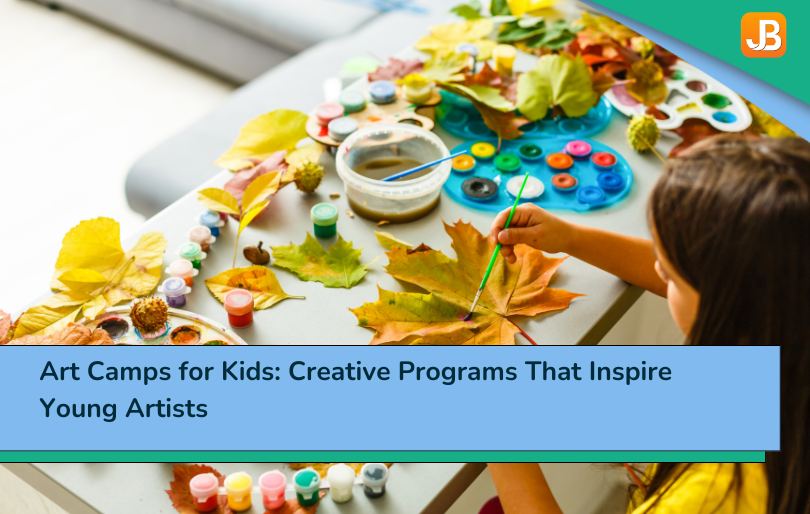
- Leaf and flower printing using paint or ink to create natural patterns
- Outdoor watercolor painting inspired by forests, lakes, or gardens
- Nature collages made from leaves, sticks, stones, and other found materials
- Shadow drawing using sunlight and everyday objects to explore shapes
These activities show children how nature can become part of the creative process. By observing patterns, textures, and colors outdoors, campers learn to turn natural elements into artistic ideas.
Outdoor settings also inspire unique camping art projects for kids, such as sketching wildlife, painting forest scenes, or creating art based on natural textures.
For younger participants, instructors often introduce easy camping art for kids like leaf rubbings, painted rocks, or simple nature crafts. These projects are accessible while still encouraging creativity and imagination.
Blending art with outdoor exploration helps children build observation skills, experiment creatively, and gain confidence as they experience nature firsthand.

Summer Art Camp for Kids: Seasonal Creative Programs
Summer art camps are seasonal programs that give children the opportunity to explore creative activities during their school break. Many families choose a summer art camp for kids to keep children engaged in creative learning during the school holidays.
Summer art camps are seasonal programs that give children the opportunity to explore creative activities during their school break.
Because summer programs often run for longer periods, camps can offer extended creative sessions and organize activities around weekly themes, allowing campers to explore specific art styles or techniques in greater depth.
Common themed sessions may include:
- Painting and illustration weeks focused on drawing techniques and color exploration
- Sculpture and clay workshops where children create three-dimensional artwork
- Nature-inspired art projects that combine outdoor observation with creative expression
- Mixed-media workshops where campers experiment with multiple materials and textures
Summer art programs may run for several days, one week, or multiple weeks, giving children enough time to work on projects, practice techniques, and develop more detailed artwork.
During a typical day at summer art camp, campers may participate in:
- Morning instruction sessions introducing new materials or techniques
- Afternoon project work where children create individual or collaborative artwork
- Outdoor inspiration activities, such as sketching or nature-based art exploration
These longer, themed programs allow children to deepen their artistic skills while enjoying a creative and social camp experience.
How to Choose the Right Art Camp for Your Child
Parents should consider several factors when choosing an art camp for their child. The right program depends on the child’s age, experience level, interests, and the type of creative activities offered.
Checklist for choosing an art camp:
- Age group and skill level – Some camps are designed for younger children exploring art for the first time, while others focus on older kids developing drawing, painting, or digital art skills.
- Type of art activities offered – Programs may focus on traditional visual arts, crafts, outdoor nature art, or digital illustration and animation. Choosing a camp that matches your child’s interests helps keep them engaged.
- Camp duration and schedule – Art camps can run for a few days, a full week, or several weeks. Some offer half-day sessions while others run full-day creative programs.
- Instructor experience – Look for camps led by experienced art instructors or educators who can guide children through techniques while encouraging experimentation.
- Materials and supplies – Some camps provide all art materials, while others may ask families to bring specific supplies such as sketchbooks or paints.
Choosing the right program helps children enjoy the experience while building creative confidence and artistic skills.
How Camp Registration Software Helps Manage Art Camps
Art camp for kids manages student enrollment and program logistics with digital registration systems that streamline sign-ups, schedules, and communication in one place. Platforms such as Jumbula help camps coordinate campers, instructors, and activities while keeping families informed about program details.
Camp registration software supports the day-to-day management of art camps by organizing key administrative tasks, including enrollment, class scheduling, and parent communication.
Common operational tasks include:
- Online camper registration and enrollment tracking
- Class scheduling and activity planning for different art sessions
- Secure collection of participant information and forms
- Parent communication about schedules, updates, and announcements
- Waitlists and capacity management for popular camp sessions
Using structured systems allows camp staff to reduce paperwork and administrative workload. Instead of manually tracking forms or schedules, organizers can focus more time on supporting creative activities and working with campers.
Clear schedules and centralized updates also help families stay informed about activities, materials, and program details throughout the camp session.
FAQ
What age is best for an art camp?
Most art camps are designed for children ages 5 to 14, though programs may vary by provider. Younger campers usually participate in simple crafts and exploratory art activities, while older children often work on drawing, painting, or sculpture projects that develop more advanced artistic skills.
Are art camps suitable for beginners?
Yes. Most art camps welcome beginners and introduce techniques step by step. Instructors guide children through projects, helping participants learn basic artistic skills while experimenting with different materials and styles.
What materials do kids use at art camp?
Children typically use a variety of materials such as pencils, markers, watercolor paints, acrylic paints, clay, paper, and collage supplies. Some camps may also include digital drawing tools or tablets for basic illustration and design activities.
Do art camps require prior artistic experience?
No. Prior artistic experience is usually not required. Art camps are designed to support children at different skill levels, allowing beginners to learn new techniques while more experienced campers continue to develop their artistic abilities.