




Key Takeaways
Which marketing channels should a new dance studio focus on first?
Focus on 3 to 4 core channels initially—specifically Google Business Profile, Instagram/Facebook, and local referral networks—rather than spreading yourself thin across a dozen random tactics.
How can you generate trial sign-ups for a dance studio without upfront ad spend?
Leverage free marketing tactics like optimizing your Google Business Profile and building local referral networks to generate initial trial sign-ups before touching a paid advertising budget.
When is the right time to start using paid social ads for a dance studio?
Paid social ads work best once you have established a proof point, meaning you already have a few enrolled students whose parents can vouch for your studio.
How should a studio owner choose which marketing tactics to use?
Prioritize the effort-to-payoff ratio by selecting sustainable marketing strategies that you can consistently maintain over the long term.
You’ve got a studio, instructors, and space. Now you need students. Most advice online treats how to advertise dance classes like a buffet — “here are 12 tactics, pick a few.” That works fine with unlimited time and money. For a small studio owner juggling classes, payroll, and scheduling, you need to know which 2-3 channels actually move the needle and which are time sinks.
What Is Dance Studio Marketing?
Dance studio marketing is the set of local awareness tactics that get your studio’s name, schedule, and class offerings in front of nearby families and dancers who might enroll. It’s not brand-building for a national company — it’s showing up where your actual customers live, learn, and spend free time.
Most of your marketing will be hyperlocal: social media for people within 5 miles, partnerships with gyms or preschools, word-of-mouth from parents, and paid ads targeted to specific neighborhoods. The goal isn’t impressions or clicks. It’s trial sign-ups — families who visit your studio, stay for a class, and decide whether to commit.
What Free Tactics Actually Work?
Free tactics don’t mean zero effort. They mean zero cash outlay — that effort goes into reaching out, showing up, and following up consistently. The SBA’s guide to marketing and sales makes the same point for any small business: the channels that convert are the ones you can sustain, not the ones with the biggest reach.
Google Business Profile. Non-negotiable. When someone searches “dance classes near me” or “dance studio [your city],” Google uses your Business Profile details—hours, location, class photos, and reviews—to decide what to show locally.
Set up your profile with an accurate class schedule, photos of your space and instructors in action, and a clear description of what you teach. Add a link to trial registration or your phone number. Consistent posting, clear class information, and a simple registration path matter more than chasing a specific review count. Dance class management software can keep class schedules and registration details organized while you promote them across local channels.
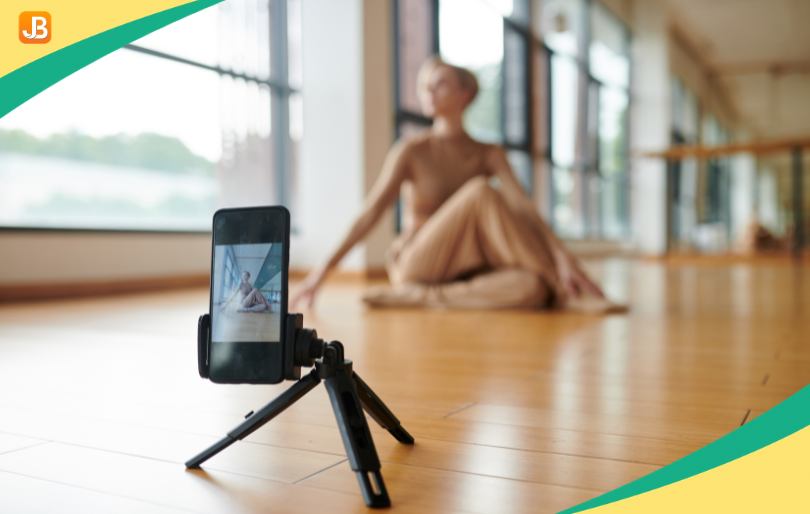
Instagram and Facebook. Post consistently and do not expect it to feel natural at first. Most studio owners post only when they remember, then wonder why nothing changes. Consistency beats polish here. Batch content and choose a pace you can maintain during a busy teaching week.
Post once or twice weekly: photos of classes in action, a routine preview, or a behind-the-scenes instructor interview. Use local location tags and a small set of relevant hashtags. Reply promptly when someone asks about classes, then give them one clear next step: book a trial, view the schedule, or call the studio. Followers are not enrollments, so track inquiries and trial bookings instead of treating a follower count as the result.
Referral programs. Give enrolled families a clear reason to recommend you after they have experienced a few classes. A small credit, studio merchandise, or a recital-program acknowledgement can work—choose one reward your budget can support.
Set the rule before you announce it: the reward applies only after the referred dancer enrolls and completes an agreed first payment or class period. Tell families during onboarding, repeat it in your newsletter, and make referral tracking easy. This channel works because it starts with trust, not because it has a magic reward amount.
How Do You Use Local Partnerships?
Local partnerships are not a passive “put a flyer up and wait” game. They work because they tap into existing trust—a parent may take a preschool director’s recommendation more seriously than a random Instagram ad. Build the first two or three relationships carefully, then give each partner an easy way to share your class information.
Here’s how to build one that produces sign-ups:
- Identify 3-5 natural partners. Preschools, elementary schools, community centers, sports clubs, youth nonprofits — places parents of young dancers already visit. Skip direct competitors.
- Pitch low-friction value. Don’t ask for anything big. Offer free trial classes for their community or a discount code for their members: “We’re a new dance studio. Can we invite your families to a free Saturday class?”
- Follow up with logistics. Send a list of your class times, a QR code linking to trial signup, or printed flyers. Make it stupid-easy for them to pass along.
- Track referrals. When a signup comes in, ask “How did you hear about us?” and double down on whichever partnerships are actually working.
Give partnerships time to reach families and do not judge them after one flyer drop. Ask every new inquiry how they heard about you, then keep investing in partners that bring trial bookings.
Community events work the same way. A free open house, a demo class at a local fair, or a spot in a summer concert series gives families a low-pressure first look. Plan only as many as your staff can run well.
Is Paid Advertising Worth the Budget?
Yes—but not immediately. Paid ads have a better chance once your studio has real photos, short video, a complete Google Business Profile, clear class information, and a trial offer worth clicking. Ads cannot fix a confusing registration path.
Begin with one local audience, one class or age group, one piece of creative, and one action: book a trial or request class information. Set a test budget you can afford to learn from, then track the full path from ad click to inquiry, trial, and enrollment. Do not copy someone else’s cost-per-lead target; local competition, creative, audience, and follow-up speed change the result.
Use a simple weekly review. Pause weak creative, answer new inquiries quickly, and put more spend behind the message producing qualified trial bookings. Dance Business Weekly is a useful trade source for following studio-industry marketing discussion, but your own inquiry and enrollment records should set the decision.
Don’t run paid ads alone. A family who sees your Instagram post, gets invited by a friend, and then sees a Facebook ad is far more likely to book a trial than someone who sees just one touchpoint. Once you’re ready to convert those trial sign-ups into enrolled students, how to get more students for your dance studio covers that next stage.
FAQ
Should I pay for TikTok or YouTube ads?
Not until Facebook/Instagram saturate. Dance content performs well on TikTok, but your audience — parents aged 25-50, local — isn’t there in force. YouTube is worth testing after Facebook is dialed in.
How do I message people who follow my Instagram page?
Don’t, unless they message you first. Unsolicited DMs read as spam even to followers. Post content, use stories to stay visible, and let people reach out.
How much should I spend on flyers or postcards?
Start with small batches distributed through a real local partner, such as a preschool, gym, or community center. Track a unique QR code or offer so you know whether they produced inquiries before ordering more.
Can I run ads targeting dancers already at other studios?
Technically yes, but skip it. That reads as poaching and your messaging will land as desperate. Target people who’ve shown interest in dance but haven’t enrolled anywhere, or families new to your area.
How often should I post on social media?
Start with one or two useful posts a week on the platform your families already use. Keep the pace sustainable, show real classes and instructors, and judge the effort by inquiries and trial bookings—not by reach alone.
My studio is in a strip mall, not near schools. What works?
Lean heavier on paid ads and online discovery — Google Business Profile, Instagram. Partner with nearby businesses like a hair salon or coffee shop for cross-promotion, and host open houses more often to drive walk-in traffic.
Should I hire a marketing agency?
Only after you can explain your target family, best-performing offer, enrollment process, and follow-up process. Start with a repeatable in-house approach first. It gives any future agency better material to work with and makes its results easier to judge.
Conclusion
How to advertise dance classes is not about doing everything. It is about building a few repeatable channels that produce qualified trial inquiries for a local studio. Start with Google Business Profile, Instagram or Facebook, and local referrals. Build consistency there. Once you know what attracts the right families, test paid ads to extend that work.
The best marketing channel is the one you can sustain. If you hate social media, skip TikTok. If you love hosting events, make open houses part of your local plan. Time—not a shortage of tactics—will limit you. How to open a dance studio covers the rest of the launch sequence if you are still building the operational picture.