




Key Takeaways
What is the primary purpose of a summer camp curriculum?
A curriculum serves as a strategic framework that connects camp goals to daily life. It replaces random activities with a balanced schedule of STEM, arts, sports, and social skills, ensuring each day is purposeful, organized, and valuable for both campers and staff.
How does a structured program benefit camp counselors and directors?
Structure reduces guesswork and last-minute stress. Counselors receive clear instructions on timing and materials, allowing them to lead with confidence. For directors, it ensures consistency across different age groups and makes it easier to train new or seasonal staff.
How can camps incorporate education without it feeling like school?
By focusing on hands-on, real-world discovery. STEM projects (such as bridge building) and math-based games (including measuring distances in a relay) allow campers to learn through play and teamwork rather than lectures.
Why are weekly themes and arts and crafts important for camps?
Themes provide a cohesive narrative that keeps campers excited for what’s next. Arts and crafts offer a necessary change of pace, giving campers a quiet outlet for self-expression and a tangible memory of their experience.
A summer camp curriculum is a plan that organizes daily activities, weekly themes, learning goals, supplies, and staff responsibilities. It helps camps balance fun with structure, so children can explore STEM, arts and crafts, outdoor play, sports, and social skills without the day feeling random.
For camp directors, a strong curriculum also makes scheduling easier. Counselors know what to run, campers know what to expect, and families get a clearer picture of the program experience.
This guide explains how to create a summer camp curriculum, what to include, and how to adapt curriculum ideas for different themes, age groups, and camp formats.
What Is a Summer Camp Curriculum?
A summer camp curriculum is the planning framework that connects camp goals to daily activities. It usually includes weekly themes, activity blocks, learning objectives, supplies, staff instructions, and ways to adapt activities for different age groups.
The purpose of a camp curriculum is to make each day easier to run and more valuable for campers. Instead of planning random activities, directors can build a schedule where STEM projects, arts and crafts, outdoor games, sports, and reflection time all support a clear goal.
A curriculum also helps counselors stay consistent. When staff know the goal of each activity, the materials needed, and the timing, they can lead sessions with more confidence and fewer last-minute changes.
What is a summer camp curriculum?
At its core, a summer camp curriculum outlines the activities, learning objectives, and daily structure for campers. It guides counselors on what to teach, how to organize sessions, and ensures that each day is both fun and valuable.
Why do camps need structured programs?
Structured programs help camps avoid gaps, repeated activities, and rushed transitions. They also make it easier for counselors to manage time, prepare materials, and give campers a balanced mix of learning, recreation, and social interaction.
Why Structured Curriculum Planning Improves Summer Camp Programs
Structured curriculum planning helps camps create a better experience for both campers and staff. It gives each activity a purpose, keeps the day balanced, and helps counselors understand how each session fits into the larger program.
For campers, structure creates variety. A well-planned day might include a STEM challenge in the morning, outdoor games after lunch, and a creative project before pickup. This mix keeps children active, curious, and socially engaged.
For counselors, a curriculum reduces guesswork. Staff can see what materials they need, how long each activity should take, and how to adjust if a group finishes early or needs more support.
For directors, structured planning makes it easier to compare sessions, improve activities, and maintain quality across different age groups. It also helps new or seasonal staff follow the same program expectations.
How to Create a Summer Camp Curriculum
Creating a summer camp curriculum starts with clear goals, age-appropriate activities, and a realistic daily schedule. The goal is not to fill every minute, but to create a plan counselors can run consistently while keeping campers engaged.
1. Define camper age groups and program goals
Start by identifying who the curriculum is for. A summer camp curriculum for preschool should use short activities, simple instructions, movement breaks, sensory play, songs, and hands-on crafts. Older campers can handle longer projects, team challenges, leadership roles, and more independent problem-solving.
Then choose 3–5 goals for the session. For example, campers might build confidence, practice teamwork, explore nature, improve basic math skills, or complete a creative project by the end of the week.

2. Choose weekly summer camp curriculum themes
Weekly themes help connect activities across the schedule. Examples include STEM Discovery, Outdoor Adventure, Creative Arts, Water Week, Around the World, Space Exploration, Leadership Week, or Nature Detectives.
Faith-based programs may also build a Christian summer camp curriculum around service projects, music, reflection time, group discussions, and values-based activities.
3. Build daily activity blocks
Plan each day with a mix of learning, movement, creativity, and rest. A simple daily structure might look like this:
- Morning: STEM, reading, or skill-based activity
- Midday: arts and crafts, music, or group project
- Afternoon: outdoor play, sports, swimming, or adventure activity
- Closing: reflection, storytelling, team-building, or camper choice
This structure gives counselors a clear rhythm while leaving room to adjust based on camper energy and weather.
4. Prepare materials and counselor instructions
Each activity should include supplies, setup steps, timing, safety notes, and cleanup instructions. This is especially important for summer camp curriculum lesson plans that involve science experiments, art supplies, outdoor equipment, or group rotations.
Some camps use summer camp curriculum packages to save planning time. These can be helpful when they include themed lesson plans, supply lists, and activity instructions, but directors should still adapt them for camper age, staff capacity, available space, and program goals.
5. Review and improve after each session
After each week, ask counselors what worked, what felt rushed, and which activities campers enjoyed most. Use that feedback to improve future schedules, remove weak activities, and make the next session easier to run.
Educational Components of a Summer Camp Curriculum
Educational activities give the curriculum clear learning value without making camp feel like school. The best activities are hands-on, short enough to hold attention, and connected to real-world discovery.
STEM projects are a strong fit for camp because they encourage campers to build, test, revise, and work together. A stem summer camp curriculum might include bridge-building challenges, paper rocket launches, simple coding games, water experiments, or environmental science projects.
Camps that need more structure can use stem summer camp curriculum lesson plans to outline materials, timing, instructions, and discussion questions. This helps counselors lead hands-on activities even if they are not STEM specialists.
A summer math camp curriculum can also be built into games and challenges. Campers might measure distances during a relay, track points during team games, estimate supplies for a project, or solve puzzles as part of a scavenger hunt.
Reading and literacy activities can include storytelling, book discussions, journaling, creative writing, or camper-created comics. Environmental education can include nature walks, wildlife observation, recycling projects, or simple lessons about ecosystems.
Creative Arts and Craft Curriculum for Summer Camps
Creative activities give campers a chance to express ideas, try new materials, and build confidence. A summer camp art curriculum should include both guided projects and open-ended creative time.
Art activities can include drawing, painting, sculpture, collage, printmaking, nature art, or group murals. Camps can also connect art projects to weekly themes. For example, a Space Week might include planet painting, cardboard rocket ships, and glow-in-the-dark constellations.
A summer camp arts and crafts curriculum can also include hands-on projects such as friendship bracelets, recycled-material sculptures, puppet-making, tie-dye, clay modeling, or DIY camp journals. These activities work well because campers can complete something tangible and take it home.
Music, dance, theater, and storytelling can add another creative layer. Campers might write short skits, perform group songs, create dances, or act out stories connected to the week’s theme.

How do art activities fit into camp curriculum?
Art activities fit into camp curriculum as guided lessons, theme-based projects, or flexible creative time. They balance more active parts of the day and give campers a quieter way to build confidence, focus, and self-expression.
What crafts can camps include in their programs?
Camps can include painting, clay projects, friendship bracelets, recycled crafts, nature art, puppet-making, tie-dye, and themed workshops. The best crafts are age-appropriate, easy to set up, and flexible enough for different skill levels.
Outdoor and Adventure Learning in Camp Curriculum
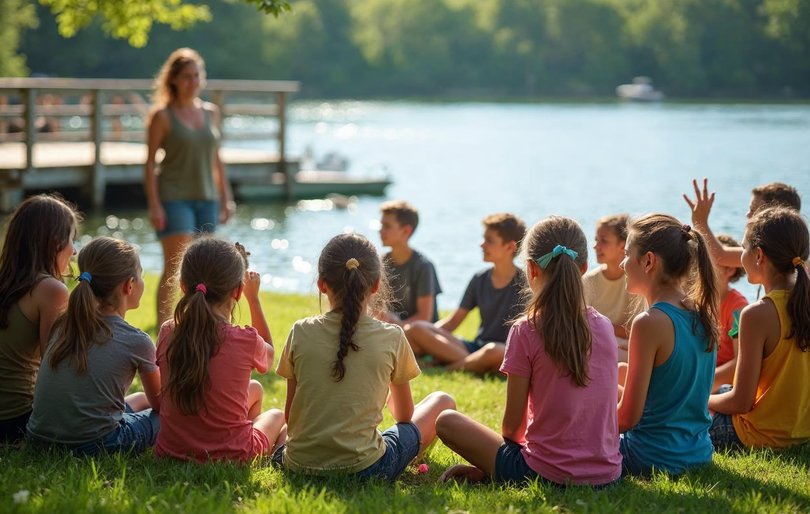
Outdoor learning gives campers hands-on experiences they cannot get from indoor activities alone. It helps children move, observe, ask questions, solve problems, and build confidence in real environments.
Common outdoor curriculum activities include nature walks, hiking, trail games, scavenger hunts, gardening, wildlife observation, map reading, and orienteering. These activities can teach environmental awareness while also supporting teamwork and independence.
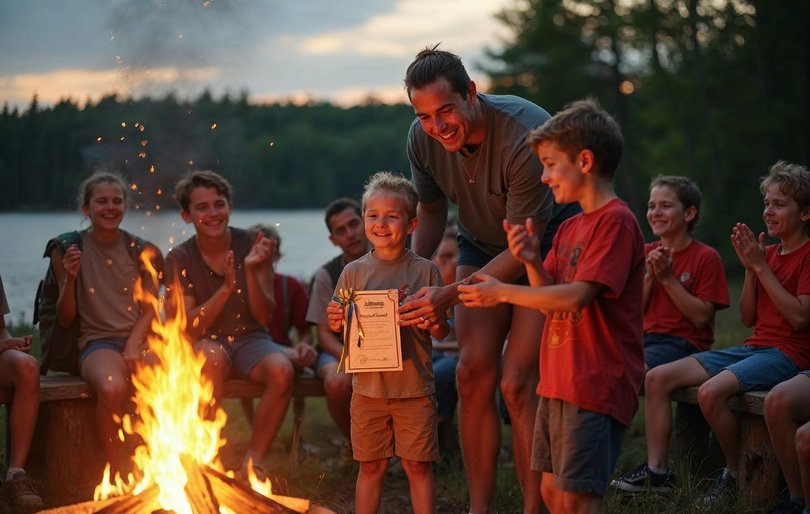
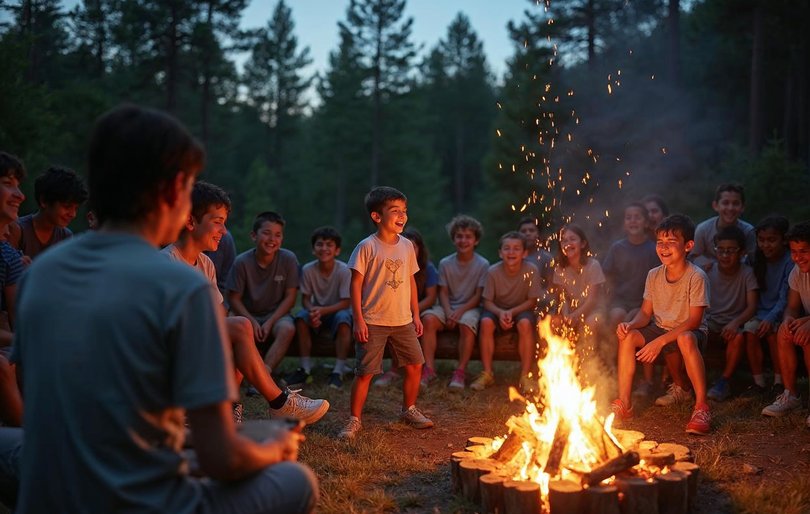
Campfire sessions can also support learning when they include storytelling, group reflection, songs, or counselor-led discussions. These moments help campers process the day and build a stronger sense of community.
Outdoor activities should always be planned with safety and flexibility in mind. Directors should consider weather, hydration, shade, boundaries, supervision, age level, and backup indoor activities before adding outdoor sessions to the schedule.
Sports and Physical Activities in Camp Curriculum
Sports and physical activities help campers build strength, coordination, teamwork, and confidence. They also give children a needed outlet for energy during a structured camp day.
Camp programs often include team sports such as soccer, basketball, volleyball, kickball, or capture the flag. Individual activities can include swimming, obstacle courses, running games, yoga, dance, or fitness challenges.
A good physical activity plan should include both competitive and noncompetitive options. Not every camper enjoys sports, so camps should offer activities where children can participate, move, and feel included without pressure to perform.
Physical activities also teach communication, cooperation, patience, and sportsmanship. When counselors explain expectations clearly and rotate teams fairly, sports can become one of the strongest parts of the camp experience.
What sports activities do camps include?
Camps often include team sports, swimming, obstacle courses, relay races, movement games, dance, yoga, and outdoor group challenges. A balanced program gives campers different ways to stay active.
How do camps promote physical activity?
Camps promote physical activity by building movement into the daily schedule, offering inclusive games, rotating activity types, and encouraging participation without making every activity competitive.
Social Skills and Personal Development Activities
Summer camp is also a place where children practice communication, teamwork, independence, and leadership. These skills develop through daily routines, group challenges, shared responsibilities, and counselor-guided reflection.
Team-building activities can include buddy interviews, group problem-solving games, trust walks, scavenger hunts, or small-group challenges. These activities help campers listen, share ideas, and work toward a common goal.
Leadership activities can include camper-led warmups, group captain roles, cleanup responsibilities, peer mentoring, or planning a short skit or presentation. These small responsibilities help campers build confidence without putting too much pressure on them.
A summer camp counselor training curriculum should also prepare staff to support social development. Counselors need guidance on giving instructions, managing group dynamics, encouraging quieter campers, and helping children resolve minor conflicts.
When social skills are built into the curriculum, campers leave with more than memories. They gain confidence, friendships, and practical skills they can use at school, home, and future activities.
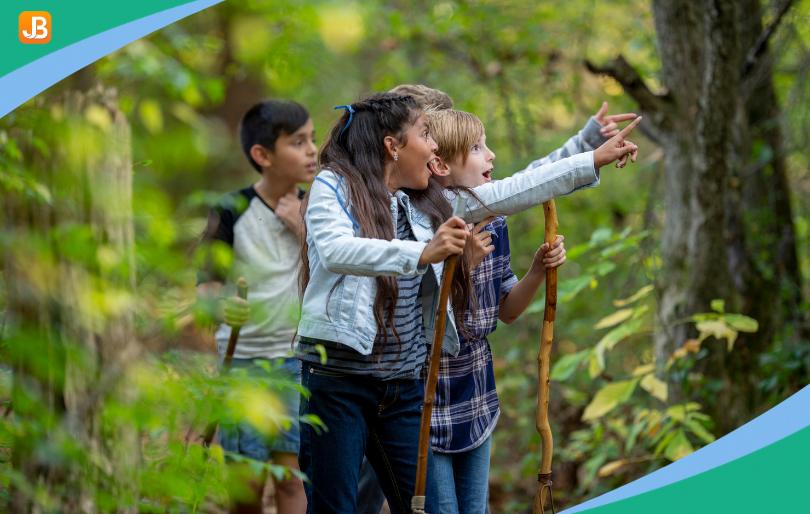
Summer Camp Curriculum Ideas by Theme
Summer camp curriculum ideas are easier to plan when each week has a clear theme. Themes help counselors connect activities across STEM, art, outdoor play, sports, and reflection time.
| Theme | Activity Ideas | Best Fit |
| STEM Discovery | Paper rockets, bridge-building, coding games, water experiments | Ages 7–12 |
| Nature Explorers | Trail walks, leaf journals, wildlife observation, gardening | Ages 5–11 |
| Creative Arts | Group murals, puppet shows, music, dance, recycled crafts | Ages 5–13 |
| Sports and Teamwork | Relay races, soccer, obstacle courses, cooperative games | Ages 6–14 |
| Leadership Week | Camper-led activities, group challenges, reflection circles | Ages 10–14 |
| Preschool Play Camp | Sensory bins, songs, simple crafts, storytime, movement games | Ages 3–5 |
A theme should guide the week without limiting flexibility. For example, a Nature Explorers week can still include math, art, reading, and team-building if each activity connects back to the theme.
Sample Weekly Summer Camp Curriculum
A sample weekly plan helps directors see how different activities can work together. The schedule below can be adjusted for age group, session length, staff size, and available space.
| Day | Theme Focus | Sample Activities |
| Monday | Welcome and Team Building | Icebreakers, group games, camp rules, team flag design |
| Tuesday | STEM and Discovery | Building challenge, simple experiment, outdoor observation walk |
| Wednesday | Arts and Creativity | Painting project, music activity, storytelling or skit practice |
| Thursday | Outdoor Adventure | Scavenger hunt, map activity, nature journaling, group challenge |
| Friday | Reflection and Celebration | Camper showcase, team games, awards, parent update |
This type of schedule gives the week a clear rhythm. It also helps counselors prepare materials, explain expectations, and keep activities connected to the broader curriculum.
How to Adapt Summer Camp Curriculum by Age Group
A strong curriculum should change based on camper age, attention span, independence, and skill level. The same theme can work for different ages if the activity length, instructions, and expectations are adjusted.
Preschool campers
A summer camp curriculum for preschool should use short activity blocks, simple routines, songs, sensory play, movement games, storytime, and basic crafts. Activities should be easy to explain and should not require long periods of sitting.
Elementary-age campers
Elementary campers can handle more structured projects, team games, beginner STEM activities, nature exploration, and creative workshops. They still need movement breaks and clear instructions, but they can begin working toward weekly goals.
Middle school campers
Older campers often enjoy leadership roles, advanced STEM challenges, sports tournaments, service projects, theater performances, and group decision-making. They should have more opportunities to make choices and take responsibility.
How Camp Registration Software Helps Manage Camp Curriculum
Camp registration software helps directors keep schedules, enrollment, group assignments, and parent updates organized. This matters when a curriculum includes multiple age groups, rotating activities, supply needs, and counselor responsibilities.
With a central system, camps can organize daily schedules, assign campers to activity groups, track registration numbers, and manage capacity. This helps staff see which campers are attending, where they should be, and what activities are planned for each part of the day.
Clear communication also supports the curriculum. When families receive accurate schedules, reminders, forms, and updates, they know what their children are doing and what they need to bring.
Jumbula supports registration, scheduling, group management, and family communication for camps and youth programs. For camp directors, this can reduce administrative confusion and make it easier to run a structured curriculum across sessions.
How do camps organize daily schedules?
Camps organize daily schedules by dividing the day into activity blocks, assigning groups, preparing materials, and planning transitions. A clear schedule helps counselors keep the curriculum on track.
Can software help manage camp programs?
Software can help manage camp programs by organizing registration, schedules, group assignments, capacity, forms, and parent communication. This gives directors and counselors a clearer view of daily operations.
Conclusion: Building Successful Camp Programs Through Structured Curriculum
A strong summer camp curriculum gives each day purpose without taking away the fun. It helps camps organize learning, creativity, outdoor play, sports, and social development into a program children can enjoy and staff can manage.
The best curriculum is clear, flexible, and realistic. It gives counselors enough structure to lead with confidence while leaving room for camper interests, weather changes, and group needs.
For camp directors, thoughtful planning leads to smoother operations, stronger camper engagement, and a better experience for families from registration through the final day of camp.
Frequently Asked Questions About Summer Camp Curriculum
What should a summer camp curriculum include?
A complete summer camp curriculum includes a balance of educational lessons, creative arts, physical activities, outdoor exploration, and social development exercises. Daily schedules are organized to ensure campers experience a variety of engaging activities while meeting developmental goals.
How long should a camp curriculum last?
Camp curricula typically span the entire duration of the camp, with weekly themes or activity cycles that build on one another. Each day is structured to balance learning, recreation, and skill development, while providing flexibility to adapt to camper needs.
What are examples of summer camp curriculum themes?
Themes can be broad, such as “Exploration and Discovery,” or subject-specific, like STEM, environmental science, creative arts, or leadership. These themes help organize activities around a central focus and give campers a cohesive, immersive experience.
How do camps balance learning and recreation?
Camps balance learning and recreation by alternating structured educational sessions with creative, outdoor, or physical activities. This approach keeps campers engaged, supports holistic development, and ensures that fun and learning complement each other throughout the day.