




Key Takeaways
What dance styles should a new studio start with?
Start with a small, core mix of styles that your staff, floor, and local demand can support well—commonly including ballet, jazz, tap, hip-hop, and contemporary, though you don’t need all five on day one.
What practical constraints should drive your class menu?
Floor type, sound control, instructor depth, and schedule slots should drive your class menu just as much as style popularity.
When should you add a new style to your schedule?
Add a style only when you can teach it safely, schedule it consistently, and explain who it is for.
Do you need all five common dance styles (ballet, jazz, tap, hip-hop, contemporary) right away?
No, while they give many new studios a useful core mix, not every studio needs all five on day one.
Parents may ask for every style under the sun. Your schedule cannot carry all of them. Types of dance class belong in a new studio’s plan only when the class fits your space, instructors, age groups, and enrollment goals. A focused schedule with full classes beats a long menu of half-filled ones.
What Are the Main Types of Dance Classes?
Most studios build around a few core styles: ballet, jazz, tap, hip-hop, contemporary, and often acro, ballroom, or musical theatre. Each style develops different skills, attracts different families, and creates different operating needs. Your first job is not to teach every style. It is to choose a class mix that works as one schedule.
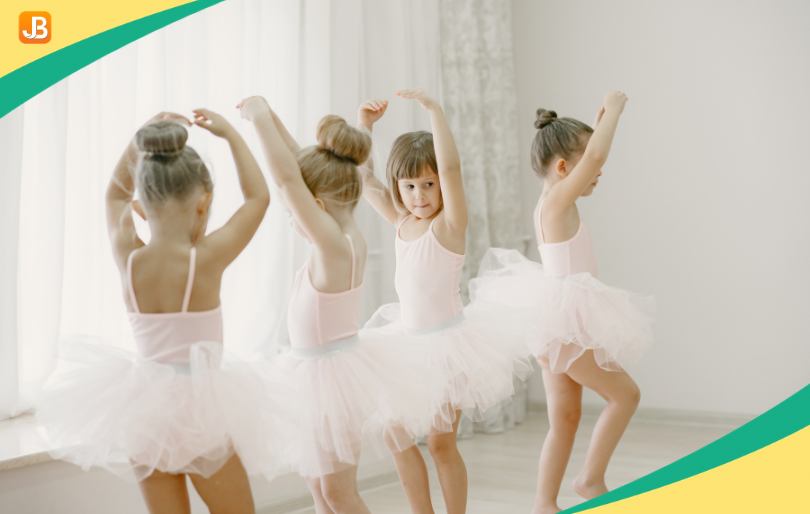
Ballet gives many studios a technical foundation. It can support preschool creative movement through advanced technique, and it often pairs naturally with jazz, contemporary, and recital programming. It needs clear teaching progressions, room to move safely, and an instructor who understands age-appropriate alignment.
Jazz is flexible, energetic, and easy to program beside ballet. It works across many age groups and can help dancers build performance skills without requiring a separate room setup. Pairing a beginner ballet class with a beginner jazz class on the same evening can give families a simple next step.
Tap brings rhythm and musicality, but it has a practical requirement: the floor must handle tap shoes without damage or unsafe slipping. Do not add tap because parents ask for it if your surface cannot support it. Fix the floor plan first.
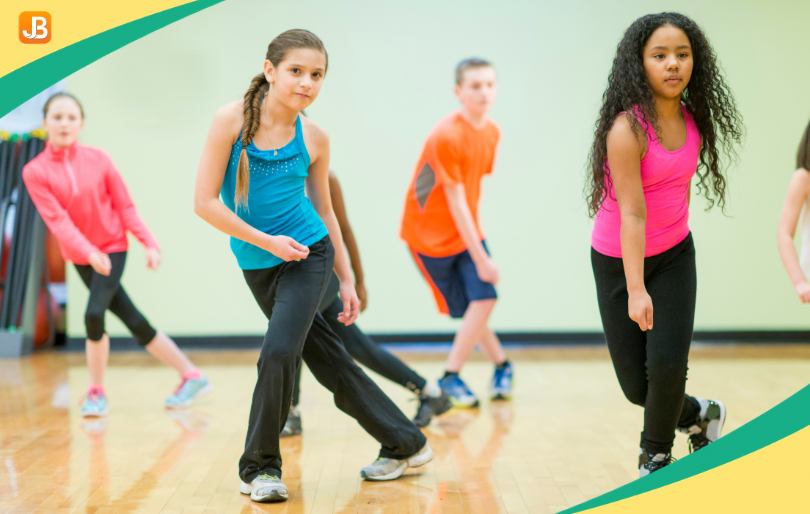
Hip-hop can bring in dancers who are not drawn to formal ballet instruction. It needs a teacher with real command of the style, a reliable sound system, and a class culture that feels welcoming rather than performative. Keep age groups tight. A mixed class with six-year-olds and teenagers rarely works.
Contemporary usually makes more sense after you have enough ballet or jazz students ready for it. It is not merely slower jazz. The instructor needs a clear approach to floor work, musicality, and technique so families understand what the class offers.
Acro, ballroom, musical theatre, and cultural dance forms can create useful specialty lanes. They also add complexity. Acro may require mats, safety policies, and specialized coaching. Ballroom often needs partner management and different music choices. A cultural dance class needs an instructor with lived knowledge and respectful teaching practice—not a watered-down add-on.
The National Dance Education Organization supports dance education resources and professional learning across many forms. Use that wider view as a reminder: each style deserves qualified teaching and a real curriculum, not a label added to a brochure.
What Does Each Type of Dance Class Require?
Every style needs more than an empty room and a playlist. Before adding one, check your floor, instructor availability, class length, equipment, and the next level students can move into. A class without a progression becomes hard to retain after one season.
| Style | What your studio needs | Best early scheduling use | Watch for |
|---|---|---|---|
| Ballet | Safe open floor, barre access where appropriate, trained teacher | Foundation classes by age and level | Overloading young classes with rigid technique |
| Jazz | Open floor, sound system, instructor with strong warm-up plan | Pair with ballet or offer as a standalone entry class | Classes becoming too broad in age or ability |
| Tap | Tap-safe floor or portable tap surface, sound control | Small age-based groups | Damage to flooring and noisy overlap with nearby classes |
| Hip-hop | Sound system, instructor with credible style knowledge | Beginner and teen-focused blocks | Loose age grouping and weak class expectations |
| Contemporary | Floor space for traveling and floor work, experienced teacher | Intermediate or advanced progression | Adding it before students have enough technique base |
| Acro | Proper mats, safety procedures, qualified instruction | Specialty block with smaller ratios | Treating it like a standard dance class |
| Musical theatre | Sound system, performance space, teacher who can stage material | Short sessions or recital preparation | Letting rehearsal replace actual skill-building |
Do not treat this table as a shopping list. Start with your actual constraint. If you have one room and one strong ballet-jazz instructor, build around that. If your facility has tap-ready floors and a teacher with a local following, tap may deserve an early slot.
Scheduling matters as much as the room. Young children need shorter, predictable blocks. Older dancers can stay for back-to-back technique classes. Give families an obvious path: creative movement to pre-ballet, then ballet and jazz; beginner hip-hop to intermediate hip-hop; or tap one to tap two. That path reduces decision fatigue and helps staff explain where a dancer goes next.
Once you are running several styles, dance class management software can help keep schedules, registrations, attendance, and family communications in one operating system. Use the setup to make class choices clearer for families—not to hide a confusing schedule behind more technology.
Which Types of Dance Classes Have the Most Enrollment Demand?
Enrollment demand is local. A class that fills quickly in one neighborhood may sit empty in another, so do not build your program around a national “most popular” list. Start with local signals: parent inquiries, nearby schools, competing studio schedules, instructor availability, and what your own trial classes reveal.
For many studios, beginner ballet, jazz, and hip-hop are sensible places to test demand because families recognize them and they serve broad age ranges. Tap can be a strong addition where an instructor, floor, and parent interest already exist. Contemporary often works best as a progression class, not as your first beginner offering.
Here is what I would do with a new one-room studio: offer a preschool movement class, beginner ballet-jazz for early elementary dancers, a separate beginner hip-hop class, and one older-student technique or jazz class. Run that schedule for a session. Watch waitlists, trial conversions, attendance, and sibling requests before adding more.
Do not confuse a loud request with real demand. One parent asking for acro does not prove you need to buy mats. Ten families asking for a later hip-hop slot, plus a waitlist, tells you something different. Keep a simple request log at the front desk or in your inquiry form. After a season, patterns become visible.
Specialty styles can help a studio stand out, but they should earn their place. Test a six-week workshop before committing to a permanent weekly class. That gives you a clearer answer on instructor fit, scheduling friction, and family interest without rebuilding your whole timetable.
How Should You Build a Balanced Dance Class Schedule?
A balanced schedule gives new families an easy entry point, returning dancers a next step, and instructors enough preparation time to teach well. It should also leave room for trials, makeups, recital rehearsals, and the late changes every studio faces.
Build from four decisions:
- Choose your anchor styles. Pick two or three styles where you have strong instructors and safe space.
- Group by age and readiness. “Beginner” is not enough. A five-year-old beginner and a twelve-year-old beginner need different pacing and expectations.
- Create progressions before specialty classes. Decide what comes after each first class. Families stay longer when the next step is obvious.
- Protect the schedule. Do not add overlapping classes that compete for the same room, teacher, or parent pickup window.
A multi-style studio does not need to look huge. It needs to make sense. A parent should be able to look at your schedule and understand what their child can try now, what they can take next, and when they are expected to be at the studio.
FAQ
What dance classes should a new studio offer first?
Start with two or three styles backed by qualified instructors and a safe facility. Ballet-jazz combinations, beginner hip-hop, and early-childhood movement often create a practical starting menu, but local inquiries should guide the final choice.
Do I need a sprung floor for every dance class?
Floor needs depend on the style, age group, class intensity, and local safety requirements. Assess your floor with qualified instructors and facility professionals before adding high-impact, tap, or acro programming.
Should a studio offer ballet and hip-hop together?
Yes, if you have instructors who can teach each style well and enough families to fill separate classes. The styles can serve different interests while giving your studio a broader entry point.
How many classes should I launch with?
Launch with enough sessions to serve your target age groups and create a next step, then add only after you see sustained demand. A smaller schedule is easier to staff, promote, and improve.
When should I add a specialty dance class?
Add one after you have a qualified instructor, proper space and equipment, and recurring demand. A short workshop or limited session is a safer first test than a permanent weekly class.
Conclusion
The best types of dance class for your studio are not the longest list of styles. They are the classes you can teach safely, schedule clearly, and grow into a real progression for local families. Build your core around staff strength and space first. Then let inquiries, waitlists, and retention show you what deserves the next slot.
A strong class menu is one part of a bigger launch plan. How to open a dance studio covers the broader decisions around facilities, staffing, budgets, and operations that shape every class you add.