






Key Takeaways
How should you structure a dance studio fundraiser goal?
Start with one specific cost, one clear dollar goal, and one firm deadline, as vague fundraisers are much harder to sell.
How do you match a fundraiser to a specific studio expense?
Pair quick sales (like merchandise or product sales) with costume deposits, ticketed events with recital costs, and larger campaigns with travel expenses.
What is the best way to get dance parents to volunteer?
Give families a clear job menu before asking for volunteers so there are fewer surprises and higher follow-through.
Why is meticulous financial tracking important for a fundraiser?
You must track income, fees, refunds, and the exact purpose of every dollar from day one to ensure full transparency and accountability.
Dance families will usually help when they know what their money is buying. Dance studio fundraising ideas work best when they are tied to a real, visible need: a costume deposit due next month, a recital venue bill, or a competition trip that no family can cover alone. Start there—not with a giant list of random products to sell.
What Is a Dance Studio Fundraiser?
A dance studio fundraiser is a short campaign or event that pays for a defined studio or team expense without shifting the whole cost into tuition. It can be a dance-a-thon, a themed workshop, a product sale, a sponsor drive, or a ticketed community event. The format matters, but the purpose matters more.
That distinction keeps your ask honest. “We need to raise $2,400 for the team’s spring costumes by March 15” gives parents, supporters, and local businesses something concrete to support. “Please help our studio” leaves everyone guessing.
Set the goal before choosing the activity. Write down the expense, total needed, deadline, expected participation, payment-processing fees, and what happens if you exceed the goal. Candid’s fundraising planning guide follows the same basic rule: set realistic goals, identify funding sources, and work from a timetable.
Fundraising also solves a different problem than startup planning. If you are still budgeting for leasehold work, flooring, insurance, and opening inventory, how much does it cost to open a dance studio gives you that early-stage cost picture. Fundraisers fit recurring and seasonal needs after the doors are open.
Which Dance Studio Fundraising Ideas Cover Costume Costs?
Costume costs need fast, predictable money because deposits often arrive well before recital season. Short campaigns with a simple offer—spirit wear, a pop-up class, or a one-day dance-a-thon—usually fit better than a long sponsorship drive. You need cash in hand, not a complicated event three months from now.
Run a studio spirit-wear preorder. Pick a hoodie, T-shirt, or tote with one clean design and take payment before placing the order. Preorders protect you from unsold inventory, which is the trap that turns a fundraiser into a storage problem. Give each family a share link and a firm close date.
Keep the math visible. If the studio clears $8 on each shirt and needs $800 for costume deposits, the target is 100 shirts—not “sell as many as possible.” That number tells you whether the campaign is realistic before you ask anyone to share it.
Host a dance-a-thon with sponsors per hour or per routine. This works well for younger dancers because families can see their child participating. Keep it contained: two hours, a simple schedule, water breaks, and a pledge sheet that explains exactly what the money covers.
Avoid turning it into a recital rehearsal with donation jars. Make it an event. Add a themed playlist, a photo backdrop, and a short final showcase for supporters. Parents are more likely to invite relatives when they are inviting them to something fun, not asking them to fund an invoice.
Offer a one-time themed workshop. A beginner hip-hop class, parent-and-child movement class, or musical-theater afternoon can bring in people who are not ready to enroll year-round. Use a guest teacher only if their fee still leaves room for the goal. Otherwise, keep the teaching in-house.
My rule: costume fundraisers should be easy to explain in one sentence. If staff needs five minutes to explain how it works, families will not sell it for you.
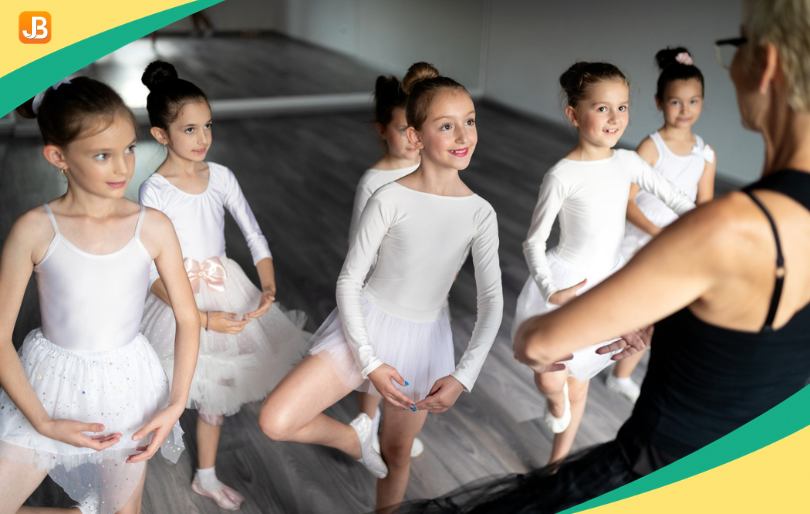
Which Dance Studio Fundraising Ideas Cover Recital Costs?
Recital expenses are usually shared studio costs: venue deposits, programs, lighting, extra staffing, or production supplies. Fundraisers here can involve the whole studio, not only one competition team. That wider audience makes events and sponsorship packages more useful than a narrow product sale.
Sell tickets to a community showcase. Build a small event around student performances, a guest act, or class demonstrations. Keep it separate from the main recital so families do not feel they are paying twice for the same show. A fall showcase, for example, can help cover spring production costs while giving new families a low-pressure look at your studio.
Tell buyers where their ticket money goes. “Proceeds support the spring recital venue and production costs” is enough. Do not promise every dollar goes to one bill if payment fees, event supplies, or teacher time come out first.
Ask local businesses for event sponsorships. A neighborhood coffee shop, pediatric dentist, real-estate office, or family restaurant may support a recital program, lobby sign, or event table in exchange for a clear acknowledgement. Make the offer simple: name, logo, deadline, amount, and what they receive. Do not hand a business owner a vague three-page proposal during a lunch rush.
Keep sponsor records clean. Record who paid, what recognition you promised, and when it will appear. If your studio is collecting registrations, ticket orders, and family communications across several events, dance class management software can keep those operational details in one place instead of scattered across texts and spreadsheets.
Try a family night with a local partner. Some restaurants and community venues will share proceeds from a scheduled evening or let you sell tickets to a hosted event. Ask before you announce anything, get the percentage in writing, and make sure families know the time window and location. The best partner is one your families already visit.
Which Dance Studio Fundraising Ideas Cover Competition Travel Costs?
Competition travel costs are larger and often include hotel rooms, transportation, entry fees, and meals. A single bake sale will not close that gap. Use a larger campaign with a longer runway, then combine it with smaller efforts so families are not depending on one big weekend.
Build a business-sponsorship drive. Travel is a concrete story: a team is representing its community at a named competition on a known date. Give local businesses levels they can understand, such as a listing in the travel newsletter, a logo on a team banner, or recognition at a send-off event. Keep benefits realistic and deliver every one.
Run a ticketed masterclass or mini convention. Bring in an instructor with local appeal, open a limited number of spots to dancers from other studios, and sell spectator tickets if the format allows. This takes more planning than spirit wear, but it can raise more while also introducing your studio to new families.
Do the cost check before promoting it. Instructor fee, space, insurance, processing costs, supplies, and staff hours all come out of the total. If the event only works with a sold-out room, pick a smaller format or find a sponsor first.
Use a travel pledge campaign for extended networks. Give every dancer a personal page or paper form with one shared message, one deadline, and an easy payment method. Relatives who live far away may not buy cookie dough or attend a showcase, but they can support a dancer’s travel goal directly.
Here is a practical split: reserve group-event proceeds for shared travel costs, then let individual pledge campaigns offset each dancer’s personal balance. Put that rule in writing before collecting money. It prevents hard conversations after the trip is booked.
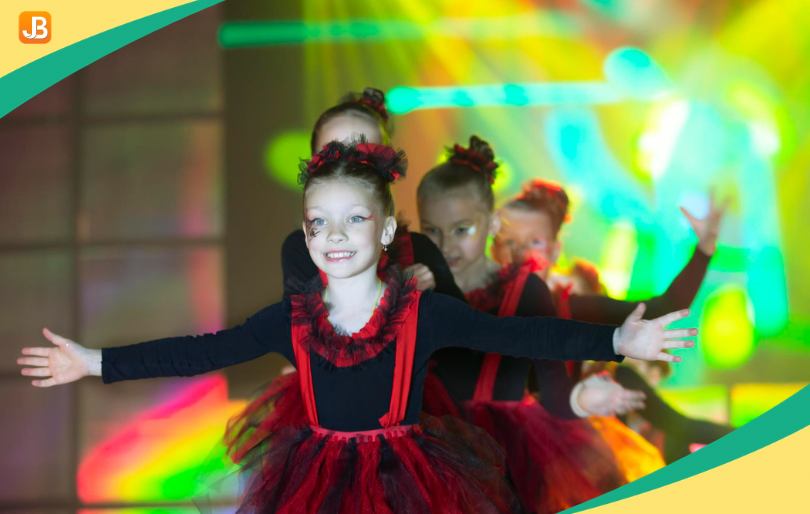
What Should You Plan Before Launching a Fundraiser?
Choose fewer fundraisers and run them well. One defined goal, a clear deadline, and an assigned coordinator beat five overlapping campaigns that exhaust families. Start by answering these questions:
- What exact expense are we paying? Name it and total it.
- Who benefits? Whole studio, one recital group, or one competition team?
- What is the deadline? Work backward from the payment date, not from when you hope to start.
- Who owns each task? Assign promotion, payments, volunteer shifts, vendor contact, and follow-up.
- How will money be recorded? Track gross sales, fees, expenses, refunds, and net proceeds.
- What will families hear afterward? Send a short result update. People support the next campaign when they know the last one was handled well.
A composite example: a 16-dancer competition team needs support for a May trip. In January, it runs a sponsor drive for shared transportation and a February masterclass for the travel fund. In March, each dancer gets a pledge link for their individual balance. Three clear asks. No last-minute panic.
FAQ
What is the best fundraiser for a dance team?
The best fundraiser is the one that matches your goal and volunteer capacity. A short dance-a-thon or preorder sale suits fast costume needs; sponsorships and ticketed events suit bigger travel or recital costs.
How do dance studios pay for costumes?
Most studios build costume costs into family fees, but a studio can use a fundraiser to offset a group cost or help families facing a larger-than-expected expense. State whether funds reduce every family’s bill or support dancers who need assistance.
How much can a dance-a-thon raise?
It depends on participant count, average pledge, costs, and how actively families share the campaign. Set a per-dancer target from your actual bill, then calculate whether the goal is reachable before committing.
Should we run more than one fundraiser at a time?
Usually no. Families have limited attention and limited people to ask. Finish one campaign, report the result, then start the next if the remaining goal still needs support.
Conclusion
Strong dance studio fundraising ideas do not begin with a catalog or a catchy slogan. They begin with a cost families can see, a deadline they understand, and a campaign that fits both. Use quick efforts for costumes, studio-wide events for recital needs, and larger sponsorship or pledge campaigns for competition travel.
Keep the purpose clear, protect your volunteers’ time, and close every campaign with a transparent update. If you are building the bigger operating plan behind those seasonal costs, how to open a dance studio covers the decisions that come before the first recital, fundraiser, and competition season.