





Key Takeaways
How much does it cost to start a dance studio?
Total startup costs typically range from $10,000 to $50,000, heavily depending on the size of the space, geographic location, and the extent of the buildout required.
What startup expenses do new dance studio owners underestimate the most?
New owners most frequently underestimate critical upfront categories like specialized flooring, business insurance, and local licensing fees rather than the monthly rent.
Why do you need to budget past launch day for a dance studio?
Ongoing monthly overhead costs continue well after your grand opening, meaning you must budget for sustainable working capital past launch day, not just up to it.
Every forum thread asking how much does it cost to open a dance studio gets the same scattered answer: “it depends,” followed by one person’s anecdote about their specific studio. That’s not a budget you can plan around. The real answer breaks into four categories — space and buildout, equipment, insurance and licensing, and ongoing overhead — and each one behaves differently depending on your market and space.
How Much Does It Cost to Open a Dance Studio?
Total startup costs commonly range from $10,000 to $50,000, according to industry estimates from GoStudioPro — the wide range comes down to space size, how much buildout an empty unit needs, and whether you’re buying new or used equipment.
That range covers everything before you teach your first class: lease deposit and buildout, flooring and equipment, insurance and licensing, and initial marketing. It doesn’t cover the months of overhead after opening while enrollment ramps up — plan for that separately.
The SBA’s startup-cost calculator framework is a useful structure for organizing these categories even if you’re not applying for a loan — it forces you to separate one-time costs (buildout, equipment) from ongoing costs (rent, insurance, payroll), which is exactly the split that trips up first-time studio owners.
What Does Space and Buildout Cost?
Space and buildout is usually your single largest upfront category, and it swings the widest — a small strip-mall unit needing minimal work costs far less than a raw space requiring new flooring, mirrors, sound-proofing, and plumbing for a bathroom.
Look for a space that already has some of what you need. A former gym, yoga studio, or martial arts space often has flooring or mirrors partially in place, which can cut your buildout cost significantly compared to a completely raw commercial unit. Lease terms matter here too — a landlord willing to contribute to buildout costs (a tenant improvement allowance) can meaningfully change your upfront number, and it’s worth asking for one even if it isn’t offered outright.
What Do Flooring, Mirrors, and Sound Cost?
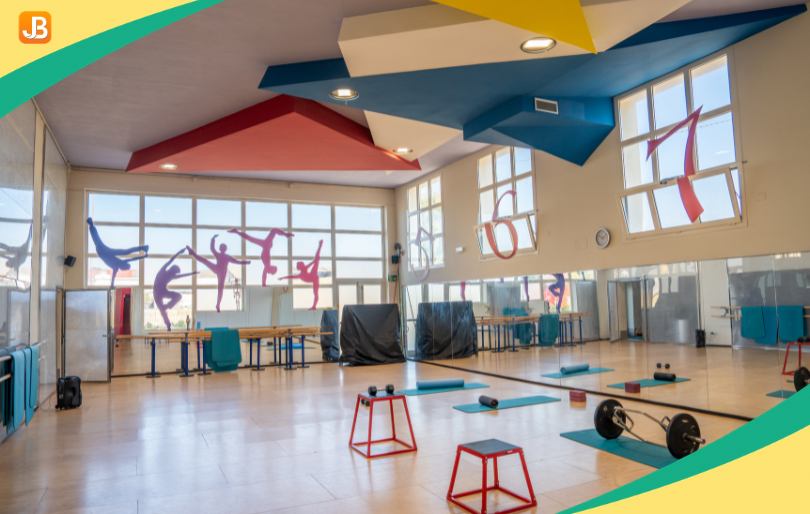
Sprung dance flooring is the equipment expense new owners underestimate most, and it’s not one to skip — it protects dancers’ joints, and most parents and serious dancers will notice if it’s missing.
Beyond flooring, budget for wall mirrors, a sound system, and basic barre equipment if you’re offering ballet. Buying used equipment from a closing studio or an equipment reseller can meaningfully reduce this category without cutting corners on safety.
What Do Insurance and Licensing Cost?
General liability insurance is non-negotiable — it protects you if a student is injured, and most commercial landlords require proof of coverage before they’ll sign a lease. Licensing costs vary by city and state, so confirm your local business license and any occupancy requirements early, before you commit to a space.
Don’t treat this as a one-time cost, either. Insurance renews annually, and you’ll want to budget it as ongoing overhead, not just a startup line item. Rates shift with your local market and coverage level, so check current benchmarks through a resource like Dance Business Weekly rather than relying on a number from a five-year-old forum post.
How Much Does It Cost to Open a Dance Studio After Launch?
Opening day isn’t the finish line — your ongoing monthly costs (rent, insurance, instructor pay, utilities) start immediately, while enrollment typically takes months to ramp up to a level that covers them.
Here’s what that looks like in practice: a studio with $4,000/month in fixed costs and 40% enrollment in its first quarter might only bring in $2,500/month in tuition — a $1,500 gap you need reserve cash to cover while enrollment climbs. Budget three to six months of runway past opening day, not just enough to open the doors. Dance class management software can help you track that ramp-up in real time — enrollment, tuition collected, and where you stand against your monthly overhead — instead of discovering the gap at the end of a bad month.
FAQ
Is $10,000 enough to open a dance studio?
It’s possible in a small space with minimal buildout and used equipment, but it’s the low end of a wide range — model your specific space’s actual costs carefully before assuming that number will be enough for your market.
What’s the most underestimated cost when opening a dance studio?
Flooring and insurance, most often — new owners tend to budget generously for rent and marketing but forget these until a landlord or an injury forces the issue.
How much does it cost to rent a dance studio space by the hour instead of leasing?
Renting by the hour is usually far cheaper upfront and a lower-risk way to test demand before committing to a full lease — worth considering if you’re unsure about long-term enrollment in your area.
Should I budget differently if I’m buying used equipment?
Yes — used flooring and mirrors from a closing studio can meaningfully cut your equipment category, but inspect flooring condition carefully since worn sprung floors lose their protective give over time.
Does location affect startup cost more than studio size?
Often, yes. A small studio in a high-rent urban neighborhood can cost more upfront than a larger space in a suburban strip mall — factor local commercial rent rates into your budget before you fall in love with a specific neighborhood.
Conclusion
There’s no single answer to how much does it cost to open a dance studio — the real number depends on your space, your buildout needs, and how much runway you budget past opening day. Break your costs into categories, budget conservatively for flooring and insurance, and plan for months of ramp-up before your dance studio breaks even. How to open a dance studio covers the rest of the launch sequence once your budget is set, and a full dance studio business plan turns these numbers into projections you can act on.