




Key Takeaways
What are the most common types of youth sports injuries?
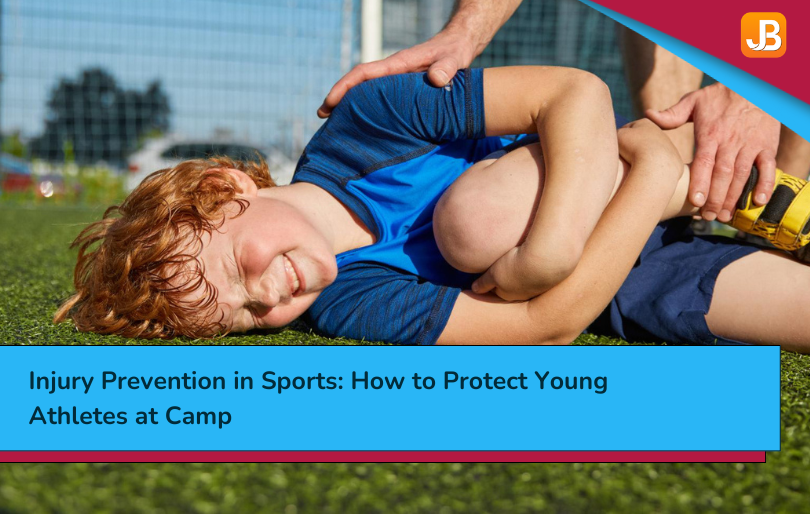
Sport injuries generally fall into two categories: acute trauma (like falls, collisions, and sprains) and overuse injuries caused by repetitive motion without adequate rest.
How can we reduce injury risks before the season even starts?
Proper warm-ups, consistent hydration, and keeping training loads appropriate for the child’s age go a long way in preventing injuries.
Do concussions require a hard hit to be serious?
No, concussions can happen from minor-seeming impacts. Recognizing symptoms early is far more important than the size of the hit.
What should one look for in a well-run sports camp?
Look for certified coaches, a clear emergency action plan, and a strict policy requiring kids to sit out if they are injured or showing symptoms.
Your kid comes home from practice limping, shrugs, and says it’s nothing. You’ve been here before — is this a normal ache from a hard workout, or the start of something that needs attention? That gut-check moment is exactly why injury prevention in sports matters so much to parents choosing a summer program, a league, or a school team. You’re not trying to wrap your child in bubble wrap. You want to know the basics are covered: warm-ups, hydration, coaching that knows what it’s doing, and a plan for when something goes wrong.
This guide walks through what actually causes youth sports injuries, what parents can do before the season starts, and what to expect from a program that takes safety seriously.
What Causes Most Youth Sports Injuries?
Most youth sports injuries fall into two categories: acute trauma and overuse injuries. Acute injuries happen in a single moment — a fall, a collision, an ankle that rolls the wrong way on a wet field. Overuse injuries build up over weeks or months, from doing the same motion over and over without enough recovery time in between.
STOP Sports Injuries, a program run by the National Council of Youth Sports, names overuse and improper training practices as leading — and largely preventable — causes of injury in young athletes. That’s the part parents don’t always expect. It’s not usually the big, scary collision that sidelines a kid for the season. It’s the small stuff, repeated too often, too soon.
Think about a 10-year-old pitching in three different leagues over one summer. No single game looks dangerous. Add it up, though, and that’s a shoulder or elbow doing the same throwing motion hundreds of times a week with barely a day off. Compare that to a kid who plays multiple sports across the year — different muscles, different movement patterns, built-in rest. Same amount of activity, sharply different injury risk.
How Does Injury Prevention in Sports Start Before Camp?
Injury prevention in sports comes down to a handful of habits: a proper warm-up, steady hydration, and matching training load to a child’s age and conditioning, all in place before the 2026 season even begins. None of this requires special equipment or a coaching certification of your own — a few habits worth checking on cover most of it.
Here’s what actually moves the needle:
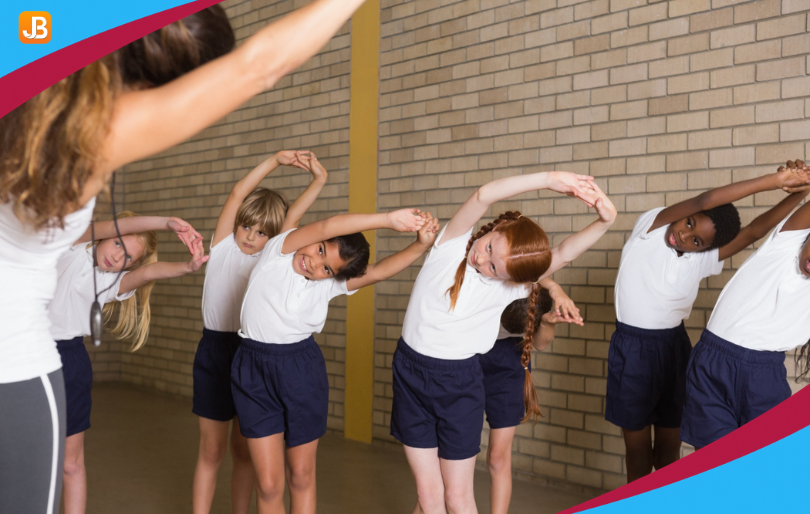
- Dynamic warm-up, every time. Five to ten minutes of movement-based stretching (leg swings, lunges, arm circles) primes muscles better than standing still and touching toes.
- Hydration before, during, and after. Kids often don’t feel thirsty until they’re already behind on fluids, especially at outdoor summer camps.
- Rest days built into the week. At least one or two full days without the same repetitive motion, particularly for pitchers, swimmers, and gymnasts.
- Training load matched to age. A 13-year-old’s body isn’t a smaller version of an 18-year-old’s — growth plates and developing joints need lower volume, not the same drills scaled down.
- Gear that fits. Cleats, helmets, and pads sized for this season, not handed down from an older sibling two sizes back.
I’d add one more: ask your child how they feel after practice, not only how the team did. “My arm’s a little tired” said three days in a row is worth more attention than a single bad game.
Why Are Overuse Injuries So Common in Youth Sports?
Overuse injuries happen when young, still-growing bodies repeat the same motion without adequate recovery — and they’re especially common when kids specialize in one sport early. Growth plates, the soft cartilage areas near the ends of a child’s bones, are more vulnerable to repetitive stress than fully developed adult joints. Stack a heavy practice schedule on top of that, and stress fractures or tendinitis follow.
The American Academy of Pediatrics has cautioned against early single-sport specialization specifically because of this elevated overuse risk in young, still-developing athletes. A kid who plays soccer in the fall, basketball in the winter, and track in the spring is cross-training without even realizing it — different muscle groups carry the load at different times of year.
Contrast that with a young athlete locked into one sport, one position, twelve months a year. It’s not that specialization is inherently reckless. Plenty of athletes handle it fine. But it removes the built-in variety that naturally protects a developing body, so the margin for error on rest and technique gets a lot thinner.
What Should Parents Know About Concussion Risk in Youth Sports?
Concussions can occur without a hard hit, and they’re often missed if a child doesn’t report symptoms — recognizing the signs early matters more than the size of the impact. That’s the piece that surprises a lot of parents. A kid doesn’t need to get knocked flat to have a concussion.
The CDC’s HEADS UP program notes that concussions are among the most under-reported injuries in youth sports, largely because symptoms — headache, dizziness, trouble concentrating, sensitivity to light — don’t always show up right away. Some kids also downplay how they feel because they don’t want to sit out.
Watch for:
- Headache or “pressure” in the head
- Confusion, or answering questions slower than usual
- Balance problems or dizziness
- Nausea, blurred vision, or sensitivity to light and noise
- Unusual irritability or emotional swings
I’ve seen a coach bench a player for the rest of practice because she said she felt “a little dizzy” after a header — no obvious hit, no dramatic fall. That’s the right call, every time. Following CDC HEADS UP guidance, a child with any suspected concussion symptoms should sit out and get evaluated before returning to play, not “shake it off” and finish the drill.
What Does Injury Prevention in Sports Look Like at a Well-Run Camp?
Injury prevention in sports at a well-run camp means certified coaches, a clear emergency action plan, hydration breaks built into the schedule, and a policy for sitting out injured or symptomatic kids — no exceptions for a big game or a tournament final. This is the part parents can actually evaluate before signing up.
Ask a program directly:
- Are coaches certified in first aid and CPR?
- Is there a written emergency action plan, and do staff practice it?
- What’s the concussion protocol, and who makes the call to pull a kid?
- Are water breaks scheduled, or left to a coach’s discretion?
- How does staff track injury history for returning campers?
A well-organized sports summer camp builds these answers into how it runs day to day, not as an afterthought pulled out when a parent asks. That’s the real signal — not a poster on the wall, but a coach who already knows the answer without checking a binder.
When Should a Parent Take a Young Athlete to the Doctor?
Persistent pain, swelling that doesn’t improve in 48 hours, or any head-injury symptom warrants a medical evaluation before returning to play. Some soreness after a hard practice is normal. Pain that gets worse, not better, over a couple of days isn’t.
See a pediatrician, athletic trainer, or sports medicine physician if you notice:
- Pain that doesn’t ease with rest and ice
- Swelling, bruising, or a joint that looks different than usual
- Any concussion symptom, even mild
- A limp or altered movement pattern that lasts more than a day
- Pain that returns as soon as the child resumes the activity
When in doubt, it’s worth the appointment. A quick check from an athletic trainer or doctor beats guessing — and it’s a lot cheaper than a small issue turning into months on the sidelines.
FAQ
What is the most common cause of injury in youth sports?
Overuse from repetitive motion without enough rest is one of the most common and most preventable causes, alongside acute injuries like falls and collisions. STOP Sports Injuries names improper training practices as a leading factor.
How can I prevent my kid from getting injured at sports camp?
Confirm the camp has certified coaches, scheduled hydration breaks, and a clear policy for pulling kids with injury or concussion symptoms. At home, make sure your child warms up properly, stays hydrated, and gets rest days between heavy training.
What youth sport has the most injuries?
Contact sports like football and soccer tend to see higher rates of acute injuries such as sprains and collisions, while sports involving repetitive single-motion activity, like baseball pitching or gymnastics, see more overuse injuries. Risk varies by position, training volume, and coaching quality within any sport.
What are the signs of an overuse injury in a young athlete?
Gradual pain that builds over practices rather than starting suddenly, soreness that doesn’t fully go away with rest, and reduced performance in a specific motion (like a pitching arm losing velocity) are common early signs.
How do you recognize a concussion in a child?
Watch for headache, dizziness, confusion, balance problems, or unusual irritability after any hit to the head or body — even without a hard impact. Per CDC HEADS UP guidance, any of these symptoms means pulling the child from play and getting evaluated.
When should a child athlete see a doctor after an injury?
If pain or swelling doesn’t improve within 48 hours, if there’s any head-injury symptom, or if a limp or altered movement lasts more than a day, it’s time for a medical evaluation rather than waiting it out.
Conclusion
Injury prevention in sports isn’t about eliminating risk — kids will still take spills and pull muscles, that’s part of being active. It’s about stacking the odds in your child’s favor: proper warm-ups, matched training loads, a coach who takes concussion symptoms seriously, and a program built around safety instead of wins alone. Ask the right questions before the season starts, watch for the early signs during it, and don’t hesitate to get a professional opinion when something feels off. That combination is what keeps kids on the field longer, not less of it.
This article is for general safety education and isn’t a substitute for medical advice. For any specific injury concern, talk to your child’s pediatrician, athletic trainer, or a sports medicine physician.