




Key Takeaways
What is a dance studio curriculum made of?
A dance studio curriculum is a structured skill sequence rather than just a binder full of random activities.
What components must you define when building a dance curriculum?
You must explicitly define what beginners learn first, what readiness looks like for moving to the next level, and how instructors will check student progress.
How do you balance standardization with an instructor’s personal teaching style?
You should give every instructor a shared framework for skills and progression while leaving room for their individual teaching voice.
When and how should you review your dance curriculum?
You should review your curriculum after each session by evaluating attendance, student progress, parent questions, and direct feedback from your instructors.
A strong class can survive one great instructor. A strong studio cannot depend on one person remembering every warm-up, skill, and next step. A dance class curriculum gives your team a shared sequence: what each level teaches, what students need before moving on, and how weekly lesson plans support that path.
Start smaller than you think. You do not need a perfect document for every age, style, and season before opening enrollment. You need clear skill levels, a repeatable class structure, and enough detail that another qualified instructor can teach the same level without guessing.
What Is a Dance Class Curriculum?
A dance class curriculum is a structured sequence of skills, concepts, and lesson content organized by age and level. It tells instructors what students should practice now, what they should be ready for next, and how each class fits into a longer learning path. A lesson plan serves one week; a curriculum connects the weeks.
That distinction matters when you have more than one teacher. Without it, beginner ballet may mean posture and basic positions in one class, turns and faster combinations in another, and a random mix in a third. Families notice the difference when siblings move levels or when an instructor is absent.
Your curriculum must match the style you teach. Ballet, tap, hip-hop, contemporary, acro, and musical theatre do not share the same skill sequence or safety needs. Types of dance class gives the owner-side view of choosing styles, space, and staffing; this guide starts after you decide what your studio will offer.
The National Dance Education Organization’s dance education standards can provide a useful reference for thinking beyond steps alone. Dance learning also includes creating, performing, responding, and connecting movement to context. You do not need to copy a national standards document into your studio handbook. Use it to make sure your curriculum develops more than a recital routine.
How Do You Structure Dance Class Curriculum by Skill Level?
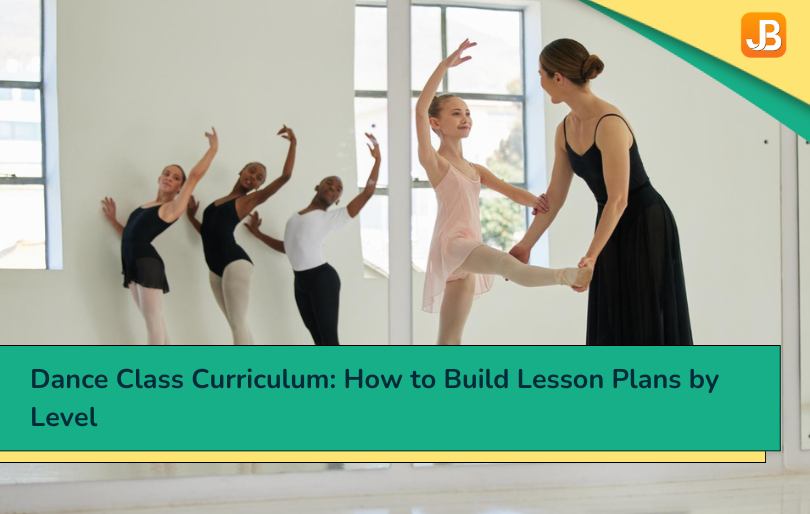
Build curriculum around readiness, not a student’s birthday alone. Age matters for attention span, physical development, and social dynamics, but it does not tell you everything about experience. Define three simple tiers—beginner, intermediate, and advanced—then write the skills, habits, and expectations for each one.
Beginner: Build safety, vocabulary, and confidence
Beginners need a predictable class and a small number of clear goals. Start with body awareness, safe warm-up habits, basic positions or rhythms, traveling skills, simple combinations, and classroom expectations. Keep repetition high. A child should leave knowing what they practiced, not overwhelmed by ten new corrections.
For a beginner jazz class, a session might sequence posture and warm-up basics, isolations, locomotor movement, basic turns or jumps, and a short combination. For tap, it might focus on sound clarity, weight shifts, and a few foundational steps before faster combinations. The exact material changes by style. The planning principle does not.
Write observable outcomes. “Build confidence” is a good goal, but it is hard to teach from. “Keeps a steady rhythm through an eight-count pattern” or “uses safe landing mechanics during jumps” gives the instructor something concrete to watch.
Intermediate: Connect skills and introduce choice
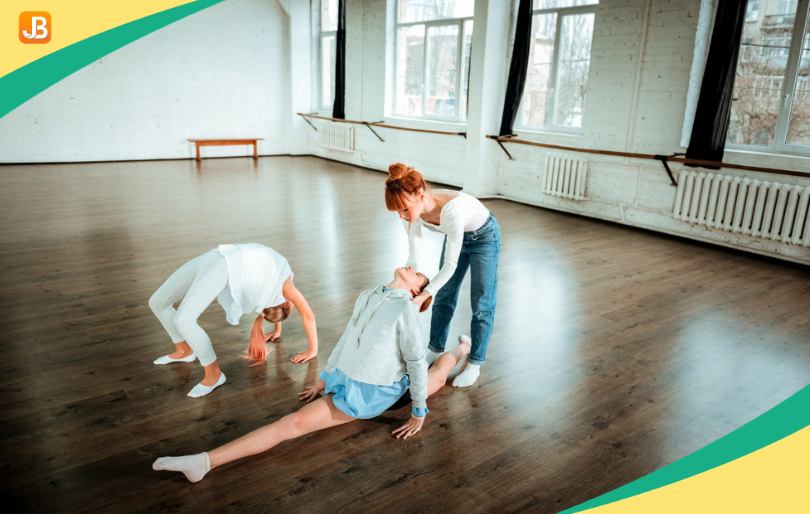
Intermediate students should use basics with more control and connect them into longer phrases. Add more complex coordination, musicality, directional changes, performance quality, and style-specific vocabulary. This is also where inconsistent training becomes obvious. One student may know the steps but lack control; another may have strong technique but struggle to retain combinations.
Do not solve that by rushing everyone forward. Add checkpoints. An intermediate dancer might need to demonstrate a stable warm-up routine, retain a longer combination, use corrections across several classes, and show safe technique at increased speed. Your studio decides the details. Put them in writing.
Advanced: Refine, apply, and prepare for responsibility
Advanced curriculum should not mean “harder tricks every week.” It should deepen technique, artistry, injury-aware training habits, and independent preparation. Students may work on longer choreography, style interpretation, peer feedback, rehearsal discipline, and performance choices.
Set boundaries here, especially for flexibility, turns, lifts, pointe work, acro, or high-impact material. A student should progress because they meet the required readiness markers, not because they have aged into a class name or need a spot in a routine.
Use a repeatable lesson-plan frame
Once levels are defined, give instructors a weekly shape they can use across styles:
- Arrival and goal: Name the day’s focus in plain language.
- Warm-up and conditioning: Prepare the body for the work ahead.
- Technique block: Teach or review one or two core skills.
- Application: Use those skills in a phrase, rhythm exercise, improvisation task, or combination.
- Cool-down and reflection: Reinforce one takeaway and note what comes next.
This frame keeps a class from becoming forty-five minutes of unrelated activity. It also makes a substitute plan far easier to prepare.
The NDEO supplemental resources are useful when you need examples of how learning goals and dance activities can connect. Treat outside resources as prompts, not a replacement for your own students, instructors, and teaching conditions.
How Do You Keep Dance Instructors Consistent?
Consistency comes from shared expectations, regular conversation, and a curriculum document instructors can actually use. It does not come from scripting every sentence. Good teachers need judgment. They should not need to invent the level’s purpose every time they walk into the room.
Create a one-page overview for every class level. Include the class name, age or readiness range, prerequisites, session goals, core skills, common corrections, safety notes, and what comes next. Keep a separate working lesson-plan template for weekly preparation.
Then build a light review rhythm. At the start of a session, instructors look at the level goals together. Mid-session, they compare what students are actually mastering and where the pacing is off. At the end, they record what should stay, change, or move to the next level. Fifteen focused minutes can prevent a season of drift.
A composite example: three teachers run beginner hip-hop across different days. They all use the same warm-up principles, rhythm vocabulary, and end-of-session outcomes. One teacher uses freestyle prompts; another uses more call-and-response. Both can teach in their own voice because the class still moves toward the same skills.
Keep curriculum records where the team can reach them. Shared documents work for a small staff. As schedules, attendance, instructor notes, and family messages grow, dance class management software can keep operating information connected to the classes it supports. The curriculum itself should still be readable without clicking through five screens.
What Should You Include in a Dance Class Syllabus?
A syllabus translates your internal curriculum into something instructors and families can understand. It should set expectations without promising that every dancer will advance on the same calendar.
Include these basics:
- Class name, style, age or readiness range, and session dates.
- Required attire, footwear, and any equipment.
- Main skill areas students will explore.
- Attendance and makeup expectations.
- How instructors assess readiness for the next level.
- Performance, recital, or showcase expectations when relevant.
- A contact route for family questions.
Keep family language clear. “Students will develop foundational technique and musicality” is fine, but add an example. Explain what that looks like in your studio: basic positions, safe jumps, rhythm patterns, short combinations, or performance confidence.
Avoid using the syllabus as a sales promise. Progress varies. A good syllabus explains the path and your teaching approach; it does not guarantee a promotion, role, or competition placement.
FAQ
What should a beginner dance curriculum include?
Include safe warm-ups, foundational vocabulary, basic movements or rhythms for the style, simple combinations, and clear class habits. Keep goals small and repeat them often enough for students to build confidence.
How is a curriculum different from a weekly lesson plan?
A curriculum maps learning across a level or season. A lesson plan explains what happens in one class. Lesson plans should support the curriculum instead of becoming unrelated weekly activities.
How often should we update a dance curriculum?
Review it at the end of each session or season, then change only what evidence supports. Instructor feedback, student progress, safety needs, attendance patterns, and parent questions are useful evidence.
Should every instructor teach the exact same lesson?
No. Instructors can use different examples, music, and teaching methods. They should share level goals, core skills, safety expectations, and readiness markers so students receive a consistent program.
How do we decide when a dancer is ready to move up?
Use written readiness markers for technique, control, class habits, and safe execution. Review the dancer over time rather than making the decision from one strong class or a birthday alone.
Conclusion
A useful dance class curriculum gives instructors direction without turning them into robots. Define what each level teaches, build lesson plans around a repeatable class shape, and write down the readiness markers that guide progression. Then review the plan with the people teaching it.
Curriculum choices work best when they sit inside a solid studio plan for staffing, facilities, schedules, and operations. How to open a dance studio covers those wider decisions before your first class is on the calendar.