


Parents don’t just ask whether camp is fun anymore. They ask how you’ll keep their child safe, and they expect a clear answer.
Camp safety has always mattered, but 2026 raised the bar. The deadly July 2025 floods in the Texas Hill Country changed how families, regulators, and camp directors think about emergency planning. Extreme heat and wildfire smoke now affect more camp days each summer. And because registration, medical forms, and photos are all digital, keeping campers safe now includes keeping their data safe too.
This guide covers the camp safety best practices that matter most in 2026, from risk assessments and emergency plans to staff training, pickup security, and parent communication.

What’s Changed for Camp Safety Since 2025
- Emergency planning is now law in some states. After the 2025 floods, Texas passed summer camp safety laws that ban camper cabins in floodways and require camps to have emergency plans in place. Other states and accrediting bodies are reviewing their own standards.
- Weather risks are more frequent. Flash floods, extreme heat, and wildfire smoke are now regular planning items, not rare events.
- Parents expect real-time updates. Families want to hear from you in minutes, not hours, when plans change.
- Children’s data rules tightened. The FTC’s updated COPPA rule took full effect in 2026, raising the bar for how programs collect, store, and share information about children under 13.
1. Start With an Honest Risk Assessment
Every strong safety plan begins with knowing your specific risks. Walk your site and your schedule with fresh eyes before each season:
- Location risks: Is any part of your site in a floodplain, near fast-moving water, or in a wildfire-prone area?
- Activity risks: Swimming, boating, climbing, field trips, and transportation each need their own procedures.
- Camper needs: Allergies, medications, medical conditions, and mental health needs should be known before day one.
- People risks: Who can access your site, and how do you control it?
Rank each risk by how likely it is and how serious it would be, then focus your time and budget on the top of the list. For more on the operational side, see our guide to how camps overcome summer camp challenges.
2. Build an Emergency Action Plan You Actually Practice

A plan in a binder isn’t enough. In 2026, a strong emergency action plan is specific, shared, and rehearsed.
- Know your triggers. Decide in advance what weather alerts, water levels, or conditions mean you move campers, pause activities, or evacuate.
- Use more than one alert source. Combine NOAA weather radio, phone alerts, and a staff member assigned to monitor conditions, especially overnight.
- Map evacuation routes and meeting points. Make sure every counselor knows them, and post them in cabins and activity areas.
- Run drills early. Practice evacuations, lockdowns, and lost-camper procedures in the first days of each session.
- Keep live rosters. In an emergency, you need to know exactly who is on site and where, right now. A paper list from this morning isn’t enough.
3. Plan for Extreme Heat and Wildfire Smoke
Hot days and poor air quality are now among the most common reasons camps change their schedules.
- Set clear heat thresholds that move activities indoors or into the shade, and schedule high-energy games for cooler morning hours.
- Build in mandatory water breaks and train staff to spot heat exhaustion early.
- Check the Air Quality Index daily during smoke season and have an indoor backup plan ready.
- Tell parents your heat and air-quality policies before camp starts, so changes on the day don’t come as a surprise.
4. Hire Carefully and Train Thoroughly

Your staff are your most important safety system. Strong camps:
- Run background checks and reference checks on every staff member and volunteer.
- Maintain appropriate camper-to-staff ratios for age group and activity.
- Train staff on abuse prevention, including rules that avoid one-on-one situations out of sight.
- Certify staff in first aid and CPR, and add mental health awareness training so counselors can recognize campers who are struggling.
- Make sure every staff member knows the emergency plan, not just the leadership team.
Need a starting point? See our guide to summer camp staff training.
5. Get Health and Medical Information Right
Missing or outdated health information is one of the most avoidable camp risks. Collect medical details, allergies, medications, and emergency contacts during registration, and require families to confirm them before each session.
Make sure the right staff can see critical information quickly, like a severe allergy, while keeping the full medical record limited to those who need it. Keep medication logs, have epinephrine accessible where needed, and make sure counselors know which campers have action plans. Optimized camp registration forms make this much easier to get right.
6. Secure Check-In, Check-Out, and Pickup

Drop-off and pickup are some of the busiest and riskiest moments of the camp day. Use a consistent check-in process, keep an authorized pickup list for each camper, verify ID for anyone you don’t recognize, and record custody restrictions where staff can see them. Digital check-in gives you an accurate, real-time record of who is on site.
7. Use Technology and Equipment Wisely

The right tools make safety easier to manage, but they support good procedures rather than replace them. Useful tools in 2026 include:
- Two-way radios for staff spread across a large site
- Controlled entry points and visitor sign-in
- First aid kits and AEDs in clearly marked, easy-to-reach locations
- Camp management software that keeps rosters, medical notes, attendance, and parent contacts in one place
Compare options in our guide to the best camp management software.
8. Protect Campers’ Data and Digital Safety

Camps hold sensitive information: birthdates, medical histories, custody details, photos, and payment information. Protecting it is part of keeping campers safe.
- Collect only the information you actually need.
- Limit access by role, so staff see only what their job requires.
- Get clear parental consent before posting camper photos online.
- Use secure, compliant platforms for registration and payments instead of spreadsheets and email attachments.
- Set clear rules for phones and devices, for both campers and staff.
This isn’t legal advice. Check with your own counsel about the privacy rules that apply to your camp.
9. Communicate Clearly With Parents

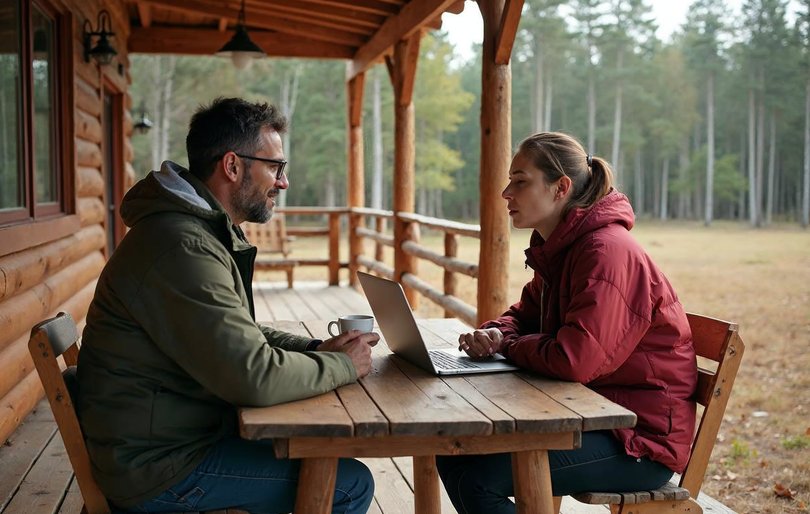
Parents trust camps that are open about safety. Share your safety policies, staff training, and emergency procedures before camp starts. During the session, send quick updates when plans change, such as a weather delay or an early pickup, and make it easy for parents to reach you.
Prepare answers to the questions parents ask most: How are staff screened? What happens in a storm? How do you handle allergies? Who can pick up my child? Answering these clearly also helps you boost summer camp enrollments.
10. Review, Insure, and Improve
Run a safety audit before and after each season. Review incident reports, near misses, and staff feedback, and update your plans. Make sure your coverage matches your current activities and risks. Our guide to summer camp insurance covers what to look for, and safety planning belongs in your budget alongside the other costs of summer camp.
Camp Safety Checklist for 2026
- Complete a site and activity risk assessment, including flood, heat, and smoke risks
- Write, share, and drill your emergency action plan
- Set heat and air-quality thresholds and share them with parents
- Complete background checks and safety training for all staff
- Collect and confirm medical, allergy, and emergency contact information
- Use a secure check-in, check-out, and authorized pickup process
- Protect camper data with role-based access and photo consent
- Communicate safety policies to parents before camp starts
- Audit and update your plan after every season
How Jumbula Supports Safer Camps
Good safety starts with good information. Jumbula’s camp registration software helps camps keep the details that matter organized and easy to reach:
- Custom registration forms to collect medical information, allergies, emergency contacts, and authorized pickups
- Attendance and check-in tracking so you always know who is on site
- Centralized camper records instead of scattered spreadsheets and paper files
- Fast communication tools to reach families when plans change
- Secure online payments that keep financial data out of email and paper forms
Wrap Up
Enhancing camp safety in 2026 means planning for real risks, from severe weather and heat to pickup security and data privacy, and practicing those plans until they’re second nature. Camps that do this well protect their campers, earn parents’ trust, and build a reputation families come back to year after year.
Ready to make your camp safer and easier to run? Book a demo with Jumbula or start a free trial today.