





Key Takeaways
What does sport specialization mean?
Sport specialization means year-round, intensive training in one sport, usually before age 12, and it’s the real question behind “single-sport camp or multi-sport camp?”
Is specializing early risky for young athletes?
Yes. The AAP and AOSSM both link heavy single-sport training volume to higher overuse-injury and burnout risk in young athletes.
At what age should kids commit to one sport?
Most sports-medicine guidance points to waiting until age 12-15, after puberty, before committing to one sport.
How should parents choose between a single-sport or multi-sport camp
Match the camp format to your child’s age, injury history, and whether they’re the one asking to specialize.
Your kid comes home from soccer practice and asks to skip the family beach week for a travel-team camp instead. Meanwhile the neighbor’s daughter, who plays three sports, seems just as happy and a lot less exhausted. Which kid has it figured out?
That question sits at the center of sport specialization: training intensively in one sport, often year-round, before age 12. Every July, parents hit a version of this decision at camp registration — sign up for the single-sport intensive that promises faster skill growth, or the multi-sport camp that spreads the load across several activities. Neither choice is wrong, but the tradeoffs are real, backed by more research than most parents see before they hit “register.”
What Is Sport Specialization, and Why Are Parents Weighing It?
Sport specialization is intensive, year-round training and competition in one sport, often to the exclusion of others, typically starting before age 12. Parents run into this decision every time they choose between a single-sport camp and a multi-sport camp — the camp format is really just specialization wearing a different name.
Youth sports specialization didn’t used to start this young. A generation ago, kids played whatever was in season: soccer in fall, basketball in winter, baseball in spring. Now, in 2026, travel teams recruit as early as second grade, and camp brochures market “elite single-sport development” tracks to eight-year-olds.
Here’s the thing worth remembering: the camp is a symptom, not the decision. The real decision is early specialization versus diversification — the camp just executes on it for a week or two.
What Do the Injury and Burnout Risks Actually Look Like?
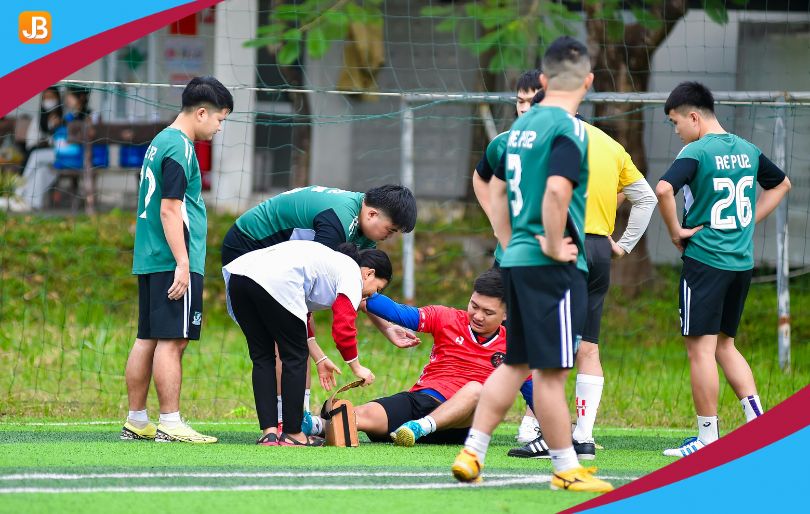
Early specialization is linked to higher overuse-injury rates and burnout, according to research from the American Academy of Pediatrics and the American Orthopaedic Society for Sports Medicine. That’s not a fringe opinion — it’s close to consensus among the people who treat these injuries.
The AAP’s clinical report on sports specialization and intensive training in young athletes found that training volume — specifically, hours per week exceeding a child’s age — correlates with greater injury risk. A 10-year-old training 12+ hours a week in one sport, with no off-season, fits the profile the AAP flags as high-risk. It’s not about talent or toughness. It’s about a growing body that hasn’t had time to adapt to that much repetitive load.
AOSSM pushed back directly on a common parent fear in 2024, calling it “the fallacy of falling behind”: the idea that skipping single-sport training means your child gets left behind competitively. Their research points the other way — early, year-round single-sport training is itself a driver of overuse injuries, not a reliable shortcut to elite status. Camp directors see this every August: the kid who pitched all summer shows up with elbow pain; the kid who played three sports shows up fresh.
Burnout is the quieter risk. A peer-reviewed review from NIH/PMC linked specialization to reduced long-term enjoyment of sport — kids who specialize early are more likely to report feeling burned out, and some walk away from the sport entirely by their teens. That’s the opposite of what parents are chasing when they sign up for the intensive track.
What Are the Real Benefits of Specializing Early?
Specialization can build sport-specific skill faster, and it genuinely matters for a small handful of early-peaking sports — gymnastics, figure skating, diving — where elite performance windows open before puberty. For everything else, the evidence is thinner than the marketing suggests.
A single-sport intensive camp will sharpen a narrow skill set faster than a rotation of activities. If your child needs 200 more reps on a specific move before tryouts, a week of nothing but that sport delivers those reps.
But for most sports — soccer, basketball, baseball, tennis — research doesn’t show early specialization producing better long-term outcomes or higher college recruiting rates than athletes who sampled multiple sports through their early teens. Some of the skills built in other sports (footwork from basketball, hand-eye coordination from baseball) transfer back into the “main” sport anyway. Specializing at 9 doesn’t guarantee a scholarship at 18. It guarantees more hours in one gym.
When Is a Child Actually Ready to Specialize?
Most sports-medicine bodies advise delaying single-sport focus until at least age 12-15, after the growth spurts of puberty have mostly passed. Before that window, kids’ bones, tendons, and growth plates are still adapting, and repetitive single-sport stress hits them harder.
A rough guideline:
- Before age 12: Sampling years. Multiple sports, minimal single-sport specialization, except in early-peaking sports.
- Ages 12-15: Transition window. Some narrowing is reasonable if the child is asking for it and showing sustained interest.
- Ages 15+: Specialization is more defensible, once growth plates have matured and the athlete has a broader movement base to draw from.
This isn’t a hard rule — it’s a framework. A 13-year-old who’s been begging to focus on swimming for two years is in a different spot than an 8-year-old whose parent signed her up for four travel teams.
How Do Single-Sport and Multi-Sport Camps Actually Differ?
Single-sport camps drill one skill set intensively for the full session; multi-sport camps rotate activities daily or weekly and build broader athleticism instead of depth in one area. The difference shows up in daily schedule, coaching focus, and physical load.
| Single-Sport Camp | Multi-Sport Camp | |
|---|---|---|
| Daily focus | One sport, repeated drills and scrimmages | Rotates 2-4 sports across the week |
| Physical load | Repetitive stress on the same muscle groups and joints | Varied movement patterns, natural cross-training |
| Best fit for | Older kids (12+) with a clear goal and some injury history awareness | Younger kids, kids exploring interests, kids recovering from a busy season |
| Skill outcome | Faster sport-specific improvement | Broader coordination, footwork, and body awareness |
| Burnout risk | Higher if it’s the child’s only sport all year | Lower — variety keeps engagement fresh |
Neither column is “the right one.” A single-sport camp in the off-season for a 14-year-old who plays that sport competitively is a different bet than putting a 9-year-old on the same intensive track for the third summer running.

How Do You Decide Which Camp Format Fits Your Child?
Match the camp format to your child’s age, injury history, and whether they’re the one asking to specialize or being pushed toward it. Those three factors do most of the work in this decision.
Run through this before you register:
- Age. Under 12, lean multi-sport unless it’s an early-peaking sport like gymnastics.
- Injury history. Any prior overuse injury (stress fracture, tendinitis, “little league elbow”) is a signal to add variety, not more single-sport volume.
- Whose idea is this? A child asking to focus on one sport is showing intrinsic motivation — different from a parent chasing a travel-team roster spot.
- Off-season reality. If your child already plays this sport on a travel team most of the year, a single-sport camp adds volume on volume. A multi-sport summer camp gives their joints and motivation a break.
I’ve watched a parent walk this checklist with her 11-year-old, a club soccer player itching for an “elite” single-sport camp whose travel team already ran nine months a year. She signed him up for a multi-sport summer camp instead — soccer stayed in the mix, just not the only thing — and he came back to fall tryouts rested and, by his own admission, missing the sport enough to want it more. Not less commitment. Better-timed rest.
If your family is still weighing camp options generally — not just single-sport versus multi-sport — a broader look at what to expect from a sports summer camp covers the logistics side of this decision: schedules, what to pack, and how programs typically structure a week.
What Should You Look for When Signing Up for Either Camp Type?
Look at rest built into the schedule, coach-to-athlete ratio, and cross-training options — those three details matter more than whether the camp calls itself “single-sport” or “multi-sport” on the flyer.
A few questions worth asking before you register, regardless of format:
- Does the daily schedule include built-in rest breaks, or is it drills from 9 to 4 with no downtime?
- What’s the coach-to-athlete ratio? Smaller groups catch overuse warning signs (a wince during a throw, favoring one leg) faster than a crowded field.
- Even in a single-sport camp, is there any cross-training or mobility work worked in, or is it the same movement pattern all day, every day?
- Is there flexibility to sit out a drill or session without it being treated as a discipline issue?
A well-run single-sport camp with smart rest built in beats a poorly structured multi-sport camp cramming four activities into a chaotic day. The label matters less than how the week is actually run.
FAQ
What is sport specialization in youth sports?
Sport specialization is intensive, year-round training and competition in a single sport, often to the exclusion of other sports, typically starting before age 12. It’s the driving idea behind “elite” single-sport camps and travel-team-only schedules.
At what age should kids specialize in one sport?
Most sports-medicine guidance points to age 12-15 at the earliest, after most of puberty’s growth spurts have passed — with exceptions for early-peaking sports like gymnastics or figure skating, where competitive windows open younger.
Is sport specialization bad for kids?
Not automatically, but it carries real tradeoffs. Research from the AAP and AOSSM links early, high-volume specialization to higher rates of overuse injury and burnout, especially when a child has no off-season and trains beyond age-appropriate volume.
What are the risks of early sport specialization?
The two biggest, per pediatric sports-medicine research, are overuse injury (stress fractures, tendinitis, joint pain from repetitive strain) and burnout (a documented drop in long-term enjoyment and, in some cases, kids quitting the sport by their teens).
Should my child play multiple sports or just one?
For most kids under 12, playing multiple sports is the safer default — it builds broader athleticism and lowers overuse-injury risk. Specializing earlier is reasonable if your child is asking for it, is old enough that growth plates are more mature, or plays one of the small number of early-peaking sports.
How do I know if my kid is ready to specialize in one sport?
Check three things: age (12+ is the general threshold), injury history (any prior overuse injury argues against adding more single-sport volume), and motivation (specialization driven by the child, not the parent, tends to hold up better long-term).
Conclusion
Sport specialization isn’t a trap or a shortcut — it’s a tradeoff, and camp registration is where it shows up first every summer. A single-sport camp can sharpen skill fast and suits an older kid who’s asking for it and has the injury history to support it. A multi-sport camp builds broader athleticism, protects against burnout, and fits most kids under 12 better than the marketing for “elite” tracks suggests. Run the checklist — age, injury history, who’s actually asking for this — before you register, and pick the format that fits the kid in front of you.