




Key Takeaways
What’s the difference between sponsorship and a donation or fundraiser sale?
Sponsorship is an ongoing, branded exchange. Sponsors get visibility and recognition in return for their support. It’s not a one-time gift or a product sale.
What makes a sponsorship packet effective?
A tight packet with 2-3 clear pricing tiers gets read faster than a long pitch letter. Keep it simple and scannable.
Should sport teams pitch local businesses and corporate sponsors the same way?
No. Local businesses and corporate sponsors respond to different pitches, so treat them as two separate outreach tracks.
What makes sponsors renew year after year?
Proof, not just gratitude. Sponsors renew when you show them photos, impressions, and mentions — not just a thank-you email.
Should sport teams start with a big national brand or a small local sponsor?
Start small. One $250 local sponsor secured this season beats a stalled pitch to a national brand.
You’ve priced out uniforms, tournament fees, and a field permit, and the number is bigger than what registration fees will cover. This is the point where most league admins start Googling how to get sponsorships for youth sports, and end up with a list of forty company names and no plan for what to actually send them. A list isn’t a strategy. What works is a repeatable system: define what you’re asking for, package it, price it, and pitch it to the right kind of business — then keep the relationship going past one season.
What Is a Youth Sports Sponsorship?
A youth sports sponsorship is an ongoing agreement where a business gives cash or in-kind support to your team or league in exchange for visibility — logo placement, banner space, jersey patches, or social shoutouts — rather than a one-time gift. That distinction matters more than it sounds. A car wash or bake sale night raises money once; a sponsorship is a relationship you renew every season, ideally with the same handful of local names on your jerseys year after year.
NAYS, the National Alliance for Youth Sports, has long pushed administrators toward treating funding as part of running the league well, not as an afterthought bolted on when the budget comes up short. If you’re setting up a league from scratch and sponsorship is one piece of a bigger startup budget, our guide on how to start a youth sports league walks through the rest of that setup — registration, staffing, facility costs — so sponsorship dollars have a clear place to go.
Why Do Leagues and Teams Need Sponsorships for Youth Sports Programs?
Leagues need sponsorships because participation costs have climbed faster than most family budgets, and registration fees alone can’t absorb the gap without pricing kids out of the sport. A sponsor covering even one line item — uniforms, a tournament fee, a field permit — takes pressure off the budget without another increase landing on parents. The Aspen Institute’s Project Play tracking shows average annual youth sports spending per family has climbed into the thousands of dollars in recent seasons — and that’s before travel, private lessons, or gear replacement.
I’ve watched boards raise registration fees twice in three years rather than ask a local business for $500. It never goes well. Families notice the increase immediately, and a chunk quietly stop registering. A sponsor covering uniforms or a tournament entry fee doesn’t touch the family’s wallet at all, and it’s a far easier ask than another fee hike at the next board meeting.
How Do You Build a Sponsorship Packet That Gets Read?
A sponsorship packet gets read when it fits on two pages, leads with the reader’s benefit instead of your league’s history, and states a specific dollar amount up front. Business owners skim mail and email alike, so a packet that makes them dig for the ask usually ends up in the recycling bin unread. Give them what they need to say yes in under five minutes:
- A one-paragraph overview — team or league name, age groups, season dates, and how many families you reach.
- Your audience reach — rough numbers: players, parents, grandparents, and social followers who’ll see the sponsor’s name.
- Sponsorship tiers — clear pricing with matching benefits (more on this below).
- Visibility examples — a photo of last season’s banner or jersey patch if you have one.
- A simple next step — “Reply to this email” or “Call me at [number],” not a vague “let us know if interested.”
In practice, the packets that land fastest are the shortest ones. One rec league I’ve worked with cut their packet from six pages to two and doubled their response rate the next season — same businesses, same ask, just less to read.
How Do You Price Sponsorship Tiers?
You price sponsorship tiers by mapping dollar amounts to concrete, visible benefits — a banner, a jersey patch, a social mention — not by guessing a number that sounds fair. Three tiers is usually enough; more than that and businesses spend their decision time comparing options instead of signing, which slows down the one thing you actually need: a signature.
| Tier | Typical Range | Sample Benefits |
|---|---|---|
| Bronze | $250 | Name on team roster page, social media shoutout |
| Silver | $500 | Bronze benefits + banner at home games |
| Gold | $1,000 | Silver benefits + jersey/warmup placement, season-long recognition |
Set these based on what your league can realistically deliver, not what a competitor’s packet lists. A single-team booster club might cap out at Bronze and Silver; a 12-team rec league running weekend tournaments has the audience size to justify a Gold tier and can negotiate up from there.
How to Get Sponsorships for Youth Sports From Local Businesses
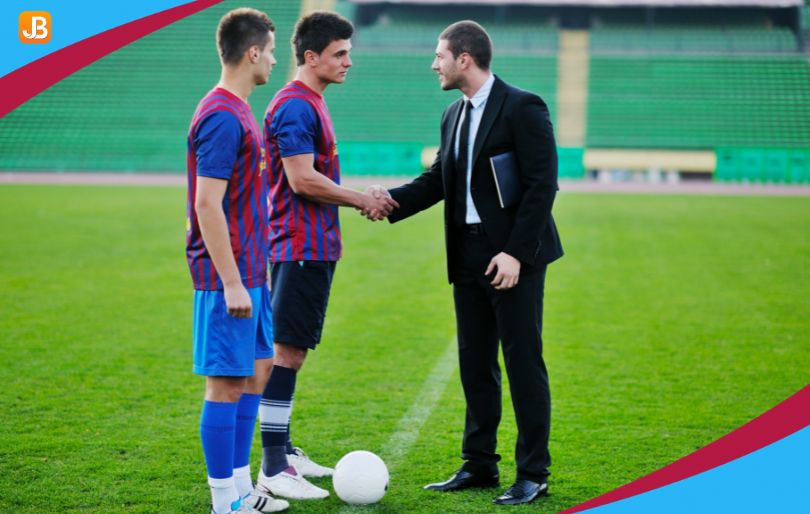
You get sponsorships for youth sports from local businesses by showing up in person with a short packet and a specific dollar number — not by emailing a form letter and hoping someone reads it. Local owners sponsor teams because they know the families walking through their door, and they want proof a sponsorship will bring more of them in, not a vague feel-good gesture.
Walk in during a slow hour, ask for the owner or manager by name, and lead with something concrete: “We’ve got 60 families in this league, and we’re looking for a $250 sponsor for the season — here’s what that gets you.” The SBA’s guidance on small business marketing spend backs this up: owners evaluate local sponsorships the same way they’d evaluate any ad buy, weighing visibility against cost. Frame your ask that way and you’re speaking their language, not asking for charity.
Don’t skip the follow-up. A handwritten thank-you note after a “no” costs nothing and keeps the door open for next season — I’ve had two local sponsors sign a year after their first “not right now.”
How to Get Sponsorships for Youth Sports From Corporate Sponsors
You get sponsorships for youth sports from corporate sponsors by going through a marketing or community-relations contact, not a store manager, and by pitching a package that scales across multiple teams or a full season rather than one jersey. Corporate budgets move slower and route through approval chains, so expect a longer runway — often one to three months from first contact to signed agreement.
- Target brands that already sponsor youth sports elsewhere — they’ve budgeted for it and know the ask, so you’re not educating them from zero.
- Lead with reach numbers and a multi-tier proposal — a regional or national brand often wants a bigger footprint than a single Gold tier covers, think league-wide banner placement or a mention across every team’s social account instead of one jersey.
- Put terms in writing — corporate sponsors expect a signed agreement, not a handshake, so have a one-page contract ready that spells out what they’re paying for and when it’s delivered.

How Do You Deliver on Sponsor Benefits and Keep Them Renewing?
You deliver on sponsor benefits by tracking what you promised in writing and showing proof it happened before you ever ask for a renewal — not by waiting until next season to bring it up. A sponsor who never hears from you again after cashing their check assumes the money vanished into a black hole, and they won’t sign twice for that kind of silence.
Keep a simple log of what each sponsor is owed: banner up by which date, jersey patches ordered, roster page updated with their logo. This is exactly the kind of operational detail that’s easy to promise and easy to forget once the season gets busy — which is why leagues that manage registration and rosters through sports management software can tie sponsor visibility directly into the team roster and pull custom reports showing sponsors exactly how many families saw their name this season. That single report, sent proactively, does more for renewal than any thank-you card.
Send a short mid-season update with a photo of the banner in place, then a season-end recap with real numbers before you ever ask for next year’s check. Sponsors who see the proof renew. Sponsors who have to ask “did our name even go up?” usually don’t.
FAQ
How do I ask a local business to sponsor my sports team?
Visit in person during a slow hour, ask for the owner or manager, and lead with a specific number and benefit — for example, “$250 gets your logo on our team banner all season.” A short, printed packet backs up the ask.
How much should a youth sports sponsorship cost?
As of the 2026 season, most local sponsorships range from $250 to $1,000 depending on visibility level, with tiers like Bronze, Silver, and Gold tied to specific benefits — banner placement, jersey patches, social mentions. Corporate sponsorships for multi-team leagues often run higher based on total reach.
What do sponsors get in return for sponsoring a youth sports team?
Sponsors typically get logo placement on banners, jerseys, or the team roster page, plus social media mentions and season-long name recognition in front of players’ families and the surrounding community.
How do I write a sponsorship letter for a youth sports team?
Keep it to one page: state who you are, how many families you reach, your tier pricing, and a clear next step like a phone number or reply email. Skip the league history — lead with the ask.
How is a sponsorship different from a fundraiser?
A sponsorship is an ongoing branded relationship renewed each season for a set amount; a fundraiser is a one-time event like a car wash or product sale. If you’re planning fundraiser events instead, that’s a separate approach with its own set of tactics.
How do I keep a sponsor from year to year instead of re-pitching every season?
Track and deliver every promised benefit, send a mid-season update with proof (a banner photo, a reach report), and ask for renewal before the season ends rather than starting from scratch each year.
Conclusion
Figuring out how to get sponsorships for youth sports comes down to a repeatable system, not a list of company names that goes stale by next season: define your ask, build a short packet, price your tiers, pitch local and corporate sponsors differently, and deliver proof before you ask for renewal. Start with one local business this month — a $250 Bronze sponsor is a realistic first win — and build the relationship from there. The leagues that keep their sponsors for years aren’t the ones with the flashiest pitch. They’re the ones who show up with the follow-through.